

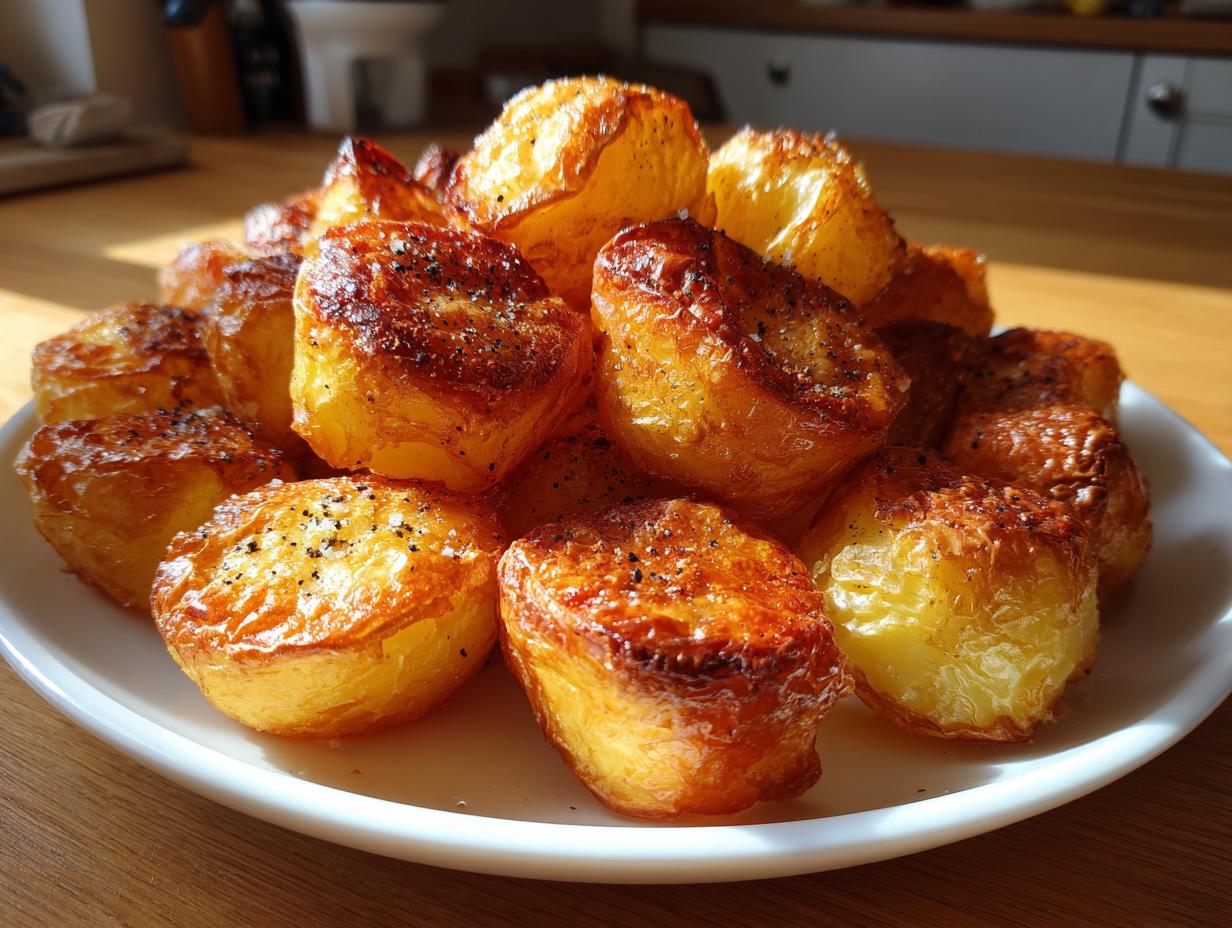
If you asked me what one side dish truly separates the good home cook from the truly confident one, I’d tell you it’s the roast potato. Listen, I grew up watching my mother try—and often fail—to get that perfect contrast, but after years of testing recipes in the Cookery Command kitchen, I’ve cracked the code. Forget soggy middles and pale skins! This method guarantees you the fluffiest interior possible hugged by a shatteringly crispy, deeply golden exterior for your roast potatoes. It’s where my family’s love for great comfort food meets my professional obsession with proven technique, and trust me, the result is spectacular. For a full rundown on oven techniques, check out my general oven-roasted potatoes recipe for context.
- Why This Is the Ultimate Crispy Roast Potatoes Recipe Ever
- Gather Your Ingredients for Perfect Roast Potatoes
- The Parboiled Roasted Potatoes Technique: How to Make Perfect Roast Potatoes
- Roasting Steps for Truly Crispy Potatoes
- Tips for Success with Your Roast Potatoes Side Dish
- Serving Suggestions for Your Holiday Side Dish Potatoes
- Storing and Reheating Your Crispy Roast Potatoes Recipe
- Frequently Asked Questions About Roast Potatoes
- Share Your Ultimate Comfort Side Dish Creations
Why This Is the Ultimate Crispy Roast Potatoes Recipe Ever
If you’ve been chasing that mythical best roast potatoes ever experience, this is where you stop looking. This isn’t just another recipe; it’s a proven system built on real science and family cooking wisdom. You aren’t just getting potatoes; you’re getting edible gold.
- Guaranteed superior crispness thanks to that hot fat bath.
- Perfectly seasoned for incredible depth of flavor.
- A fool-proof method that works even on a busy holiday.
- We focus on making them your favorite side dish, even over the proteins!
We’ve used this exact method when making dishes like garlic parmesan chicken and potatoes, and the results are always stellar.
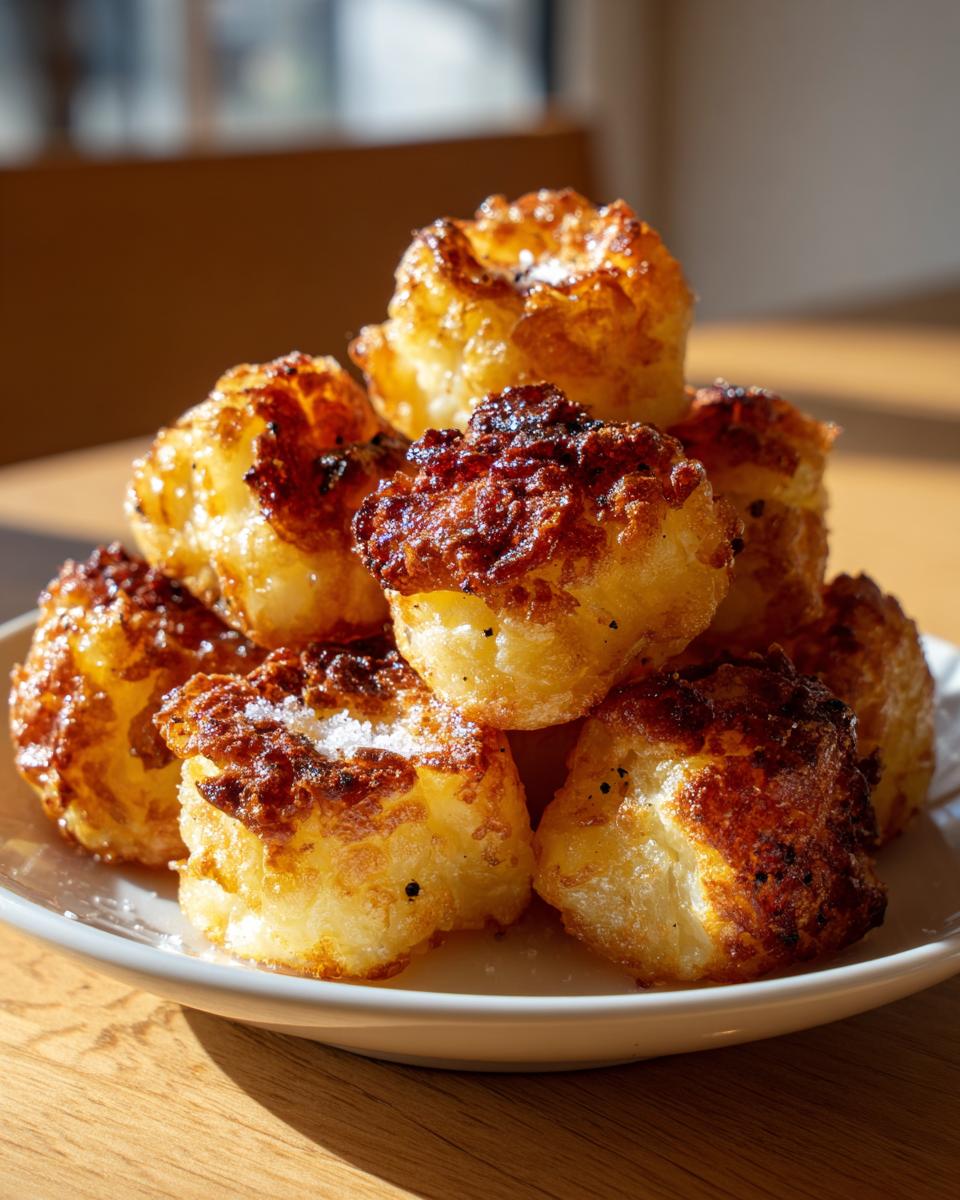
Achieving Fluffy Inside Crispy Outside Potatoes
That sublime texture contrast? It’s 100% down to the shaking. When we parboil the potatoes, the edges get soft. Then, when you shake them vigorously in the colander, we intentionally create a rough, starchy crust all over the outside. That starchy layer explodes in the hot fat, creating those amazing, craggy peaks that cook up ultra-crispy while the center stays tender.
Gather Your Ingredients for Perfect Roast Potatoes
Okay, let’s talk about what you need. Getting the right supplies is half the battle won when aiming for the best roast potatoes ever. I keep my list short because I believe in letting the potato and the fat really shine through. We are stripping away the fluff and keeping only what guarantees that crunch.
You’ll need about three pounds of potatoes—I love Russets or Yukon Golds because they give you that dreamy contrast. Make sure you cut them into uniform pieces, about two inches each. Consistency matters here, friends! Then comes the fat. This is non-negotiable for me: you absolutely need a high-heat fat to achieve those roast potatoes with serious crunch. Olive oil just burns off too fast!
We’re looking for duck fat or goose fat; that’s the secret weapon for that deep, savory flavor and that amazing golden brown exterior. If you can’t find it, use anything with a high smoke point. Make sure you have chunky sea salt, pepper, some smashed garlic cloves, and a couple of sprigs of fresh rosemary ready to go.
Ingredient Notes and Flavor Variations for Roast Potatoes
Russets are fantastic because they break down beautifully when you boil them, giving you that extra starchy edge to roughen up during the shake. But listen, if you need to mix things up, I totally get it! For variations that ramp up the flavor, think about adding things late in the game.
If you’re aiming for a parmesan roast potatoes recipe vibe, wait until the final 10 minutes and toss in about a quarter cup of freshly grated Parmigiano-Reggiano. It melts into those crispy edges and it’s just divine. If you prefer a different profile, skip the rosemary and use a mix of thyme and a tiny pinch of smoked paprika for savory herb roasted potatoes. It’s still incredibly easy, but offers a slight twist on our standard veggie side dishes for dinner.
The Parboiled Roasted Potatoes Technique: How to Make Perfect Roast Potatoes
Alright, this is where the magic happens, the part that separates good crispy roast potatoes recipe attempts from the best roast potatoes ever. This entire process hinges on two key steps: the boil and the shake. First, get those cut potatoes into cold water and salt it well—we want them seasoned from the inside out. Bring it right up to a rolling boil and let them go for about 8 to 10 minutes. You’re looking for the edges to just start getting soft, almost fuzzy. Don’t let them turn to mush! That’s the number one mistake people make.
Once they’re drained completely, let them steam-dry for five minutes. Now for my secret, the move my mom always made me practice until I got it right: the shake! Place them in the colander and shake that pan *hard* for about 30 seconds. I mean really work those arms! You can hear the starch scraping off the edges. That’s what creates that rough, craggy surface needed for those amazing, crunchy ridges we bragged about when talking about fluffy inside crispy outside potatoes.
Preheating and Setting Up for Golden Brown Roasted Potatoes
While those beauties are steam-drying, blast your oven up to 425 degrees. If you’re using a roasting pan—and you should be—pour in your duck fat or oil and stick that pan in the oven while it preheats. We need that fat to be blazing hot, shimmering, almost smoking, before anything touches it. Why? Because we want an immediate sizzle the second the potatoes hit the pan. If the fat isn’t hot, the potatoes just soak it up and you end up with greasy, pale lumps instead of your gorgeous, golden brown roasted potatoes. Trust me on the heat; it’s everything for a truly triumphant roasted potato.
Roasting Steps for Truly Crispy Potatoes
Now that our oven is hot and the fat is shimmering—don’t let that heat drop!—it’s time to finally introduce our roughed-up potatoes to the pan. Carefully, and I mean carefully, use tongs or a spider strainer to lay your potatoes into that hot fat. You should hear a satisfying sizzle immediately; if you don’t, pull the pan back out and wait another minute for the fat to come back up to temperature! This first contact is what seals the surface for that crunch we are hunting for.
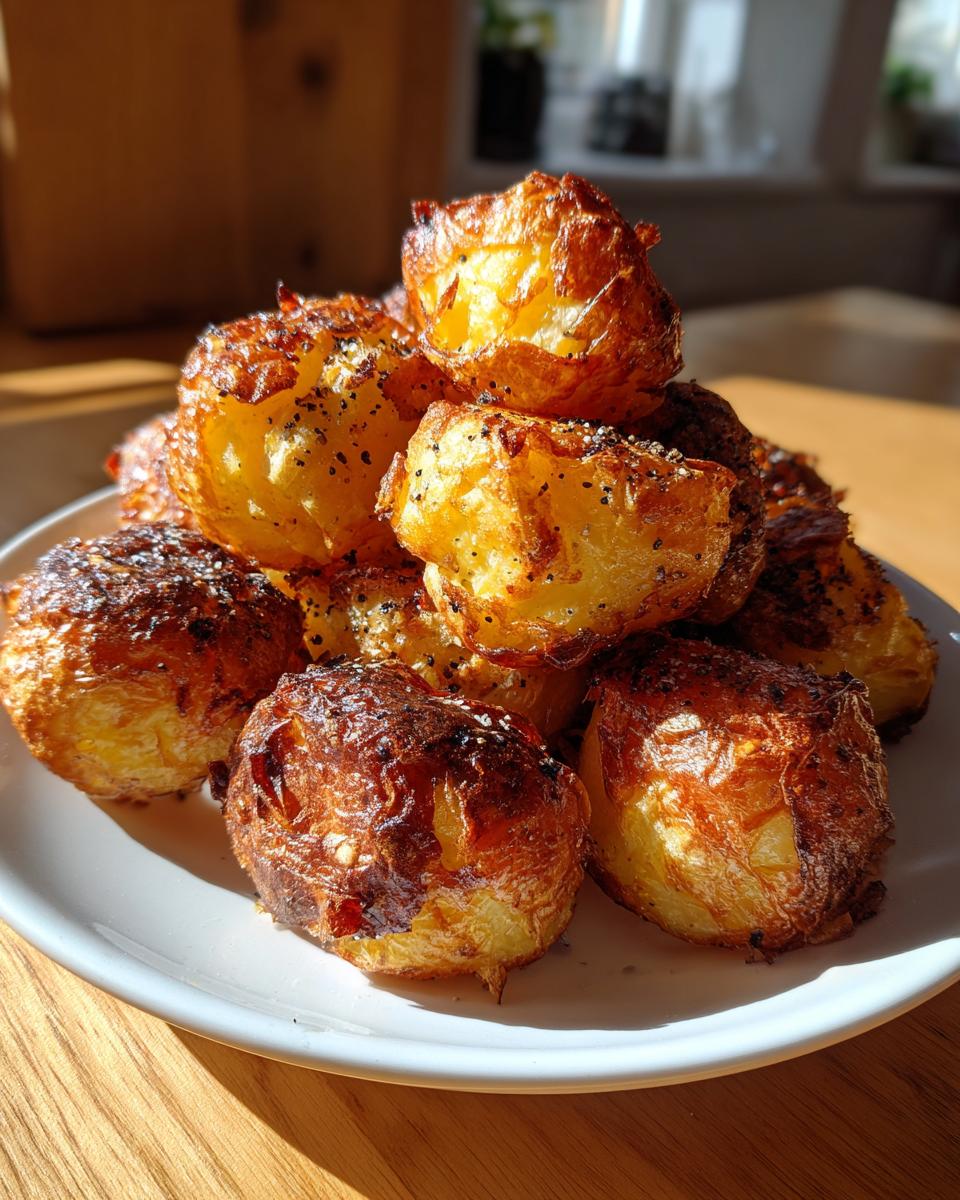
Get them spread out into a single layer, too! This is key for truly crispy potatoes. If you stack them up, they steam instead of roast, and we spent all that time shaking them for nothing! Give them a quick turn just to coat every side in the hot fat, and this is when you hit them with your coarse salt and pepper. Then, back into the 425-degree oven they go. They need to roast undisturbed for about 30 minutes at this point.
Adding Aromatics for Rosemary Garlic Roast Potatoes
We don’t want burnt garlic, and we certainly don’t want sad, flavorless rosemary. That’s why we don’t add the aromatics right away with the salt and pepper. They’re delicate! After that initial 30-minute blast, pull the pan out—be super careful, it’s hot!—and scatter your smashed garlic cloves and those fragrant rosemary sprigs around the edges amongst the potatoes.
Give everything a gentle turn with a spatula. The rosemary leaves and garlic will tuck in next to the potatoes and release their beautiful oils while the potatoes finish crisping up. If you added them too early, the garlic would turn black and bitter and ruin your beautiful roast potatoes. This way, they infuse that wonderful rosemary garlic roast potatoes flavor right into the salty crust. Now, they go back in for another 25 to 35 minutes, making sure to turn them every 15 minutes so every single side gets that gorgeous golden color we love from an easy oven roast potatoes recipe.
Tips for Success with Your Roast Potatoes Side Dish
I’ve given you the foolproof system, but sometimes the kitchen gods are tricky. Since I’ve ruined more batches than I can count when I first started, let me share the few hard-and-fast rules that will guarantee you deliver the crispiest results every time you make this ultimate comfort side dish.
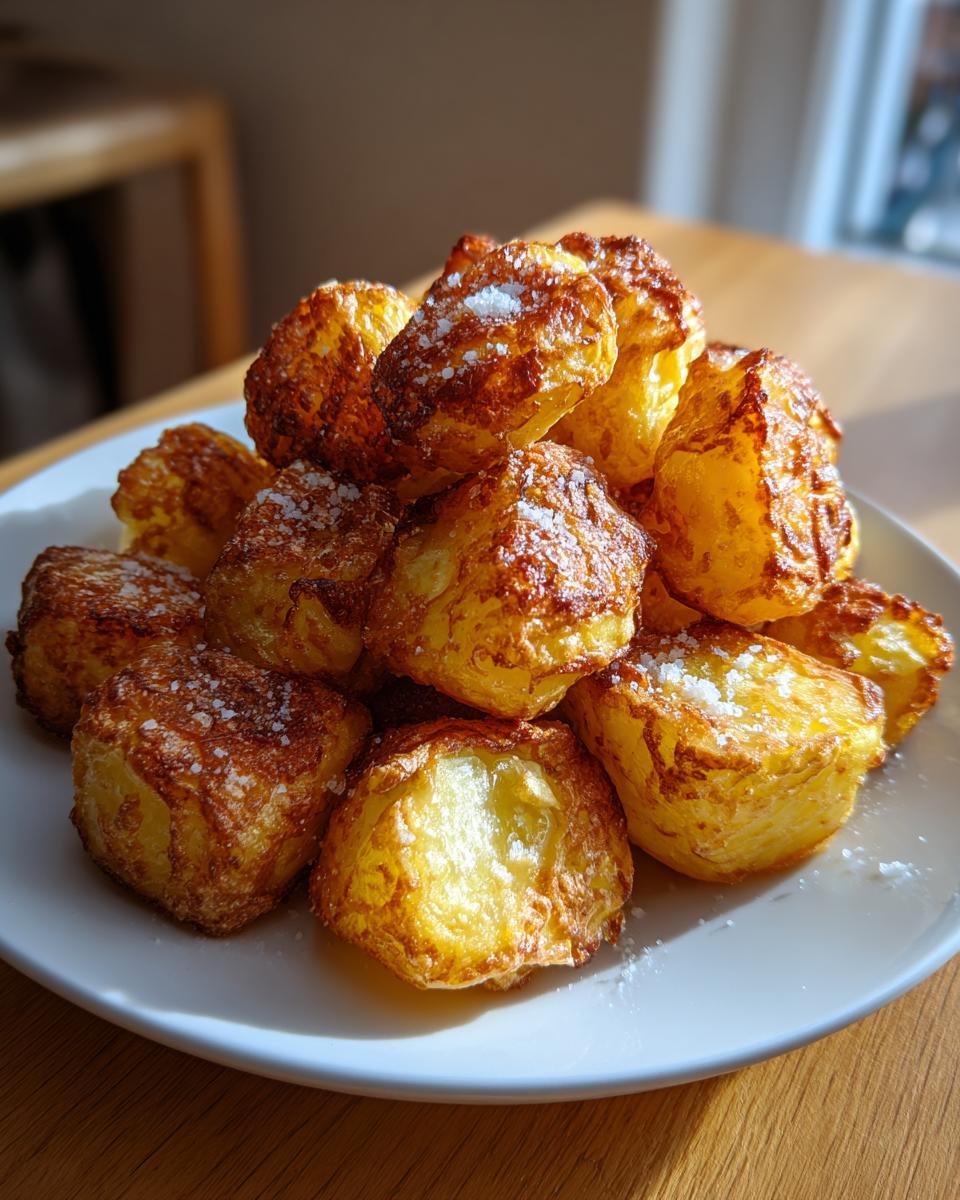
The biggest pitfall, truly, is overcrowding the pan. If you cram too many potatoes in there, they start sweating on each other, trapping moisture, and suddenly you’re baking wet potatoes instead of roasting dry ones. Aim for a single layer, even if that means using two sheet pans. Remember, we want maximum surface area exposed to that screaming hot fat!
Also, never skip that initial fat pre-heat. I mentioned it before, but I’ll shout it again: the fat has to be shimmering hot before the potatoes touch it. This jump-starts the crunch factor immediately. If you’re looking for more ways to use up those tubers, you might enjoy my crispy latkes secrets too.
If you find your potatoes aren’t as crunchy as you’d hoped after the first half hour, don’t panic! Sometimes a quick lift and check to ensure they aren’t sticking helps. If you need even more crunch than duck fat can deliver, I’ve heard from chefs who swear by adding a teaspoon of baking soda to the boiling water during that parboil step—it really helps break down the outer structure faster. You can see how much people love this method over at some of my favorite cooking pals. Just use that tip sparingly!
Serving Suggestions for Your Holiday Side Dish Potatoes
Honestly, once you pull these glorious, crunchy things out of the oven, you’ll realize they deserve center stage! But since we usually need them to share the spotlight, let’s talk about what pairs perfectly with your holiday side dish potatoes. These are the backbone of any great Sunday supper or major feast.
The savory herb crust we built into these spuds means they cut through richness beautifully. Naturally, they are unmatched alongside a perfectly roasted turkey or a beautiful Christmas ham. If you’re making a special steak dinner, these potatoes are the absolute star side. You have to try them with my rich creamy peppercorn sauce—the saltiness of the potato crust dipped in that sauce? Wow.
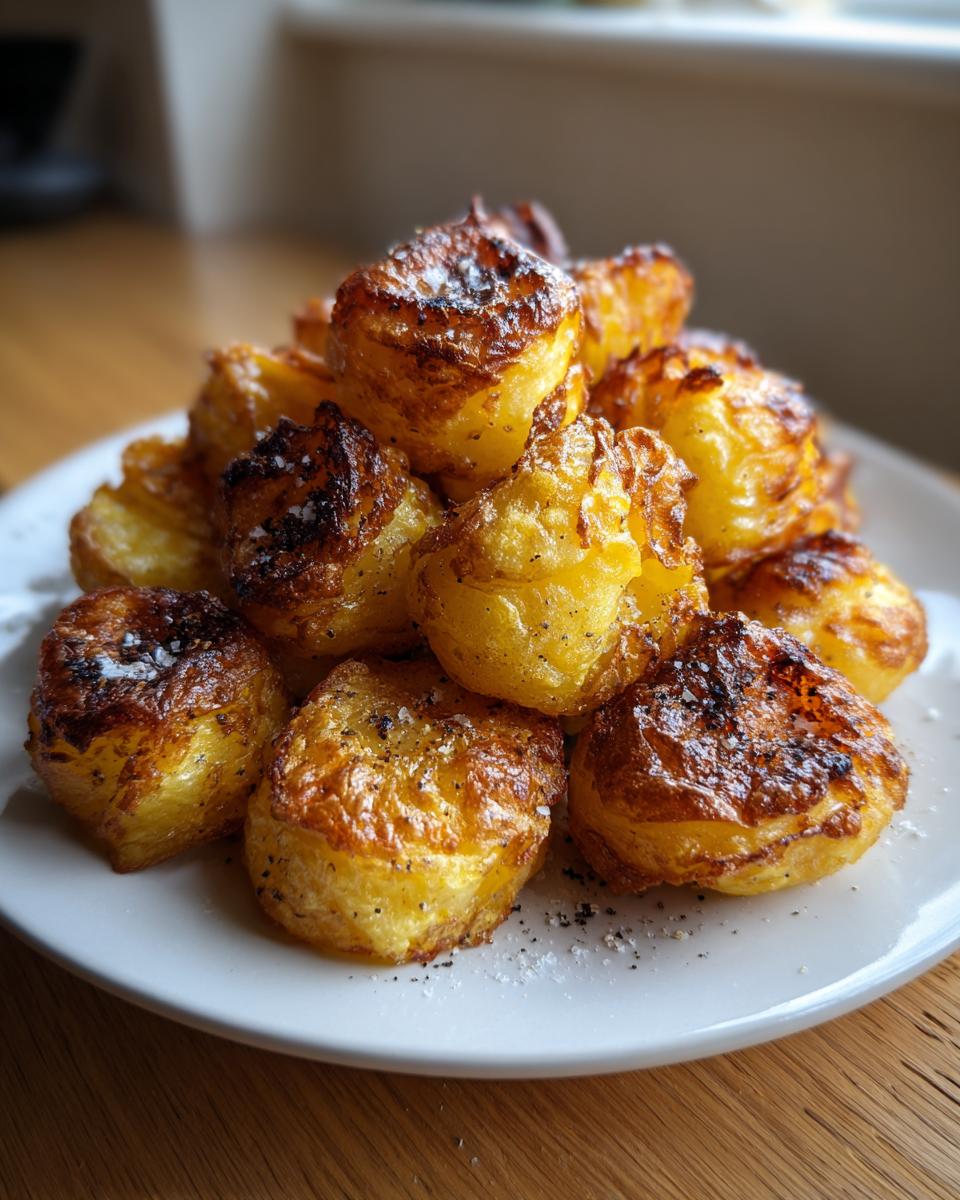
Don’t let anyone tell you roast potatoes are only for heavy meats, either! They are amazing next to lighter fare, too. They pair surprisingly well with flakier fish, like baked salmon. You can serve them alongside my fresh salmon salad when you want a warm, savory element to balance the bright flavors. Seriously, as far as veggie side dishes for dinner go, you can never go wrong.
Keep it simple during the holidays; let these potatoes do the heavy lifting flavor-wise. They are so good, you won’t even miss the optional gravy!
Storing and Reheating Your Crispy Roast Potatoes Recipe
I truly wish these amazing crispy roast potatoes could stay hot and crunchy forever, but alas, they are mortal! If you’re lucky enough to have any leftovers—which, let’s be honest, means you made a huge batch for your holiday side dish potatoes—the key is knowing how to bring them back to life.
First things first: storage. You must let them cool completely before you try to pack them away. If you put hot potatoes straight into an airtight container, they will instantly steam themselves into sogginess, and we’ve worked too hard for that crispy exterior! Once fully cooled, transfer them to an airtight container and pop them in the fridge. They’ll keep well for about three days, but honestly, I try to use them within 48 hours if I want that maximum crunch returned.
Now, the reheating is where most people mess up the potatoes recipe with crunch. Do *not* microwave them! Microwaving instantly turns that beautiful crust soft. You need dry heat to resurrect that crispness. The absolute best method is putting them back in a hot oven.
Spread them out in a single layer—again, no crowding, this is vital!—on a baking sheet. You want the oven about 400 degrees Fahrenheit. Let them go for about 10 to 15 minutes. If you used duck fat, the residual fat that comes out will refresh the potatoes beautifully. If they still feel a little limp after 10 minutes, crank the heat up to 425 for the last five minutes. That blast of dry heat draws out the remaining moisture and gives you that fantastic snap back to life. Believe me, reheating them properly ensures they taste almost as good as when they first came out of the oven!
Frequently Asked Questions About Roast Potatoes
Can I use olive oil instead of duck fat for these roast potatoes?
I know duck or goose fat isn’t always easy to find, so I want to assure you that yes, you can substitute it, but it impacts the final result of your easy oven roast potatoes. Olive oil has a much lower smoke point. If you use it, you must roast at a slightly lower temperature, maybe 400 degrees, and you definitely won’t get that unbelievably rich, savory flavor or the same deep golden hue. For the *best* results that deliver on the promise of the ultimate crispy roast potato, stick to high-heat fats, but olive oil will work in a pinch if you absolutely must!
Help! Why are my roast potatoes soggy instead of truly crispy?
Soggy potatoes are the enemy! This almost always comes down to one of three things, which this recipe is specifically designed to prevent. First, you didn’t shake them hard enough after draining—you need that rough, starchy exterior! Second, you crowded the pan; if they are touching, they steam. They have to be in a single layer for truly crispy potatoes. Third, the fat wasn’t hot enough when they went in. If you don’t hear that immediate, violent sizzle, they will soak up the fat and go soft. Follow the preheating instructions closely, and you’ll avoid this pitfall!
Is this recipe suitable for a big holiday side dish? Can I make them ahead of time?
Absolutely! This is my favorite holiday side dish potatoes recipe because the boil-and-shake steps can be done hours ahead of time! Once you’ve parboiled and shaken the potatoes, just let them cool completely on the sheet pan, cover them loosely, and refrigerate. When you’re ready to serve, preheat your fat (Step 6) and proceed with the roasting steps. They’ll take about 10 to 15 minutes longer to roast because they are cold, but the result is still amazing—just aim for that beautiful final color mentioned in the Serious Eats method on their crispness.
I want more flavor! How do I make rosemary garlic roast potatoes?
That’s easy! We build those flavors right into the recipe. If you look closely at Step 9, you’ll see garlic cloves and rosemary sprigs go in halfway through the roasting process. This keeps them fragrant and prevents them from burning while still allowing them to infuse that wonderful savory flavor deep into the potato crust. If you want to lean into it, double the rosemary for an intense aroma!
Share Your Ultimate Comfort Side Dish Creations
Now, I’ve given you everything I know—the shaking, the hot fat, the timing—to make what I truly believe are the best roast potatoes ever. But cooking is about sharing, right? So, when you try this technique and finally achieve that perfect, crunchy, golden exterior, I really want to hear about it!
Don’t be shy! Head down to the comment section below and leave a rating. Tell me if you stuck with the duck fat or if you opted for something different. Did you try adding Parmesan? I love hearing how you customize these staples for your own table. Every comment helps build up this community of confident home cooks.
And promise me this: if you managed to get photos of those incredible, craggy potatoes, share them! Tag me on social media. I get such a thrill seeing my friends ditching the soggy sides for these spectacular, crunchy beauties. It means the world to me that this recipe from my kitchen is making its way to yours. If you’re looking for another easy win for dessert this week, check out my guide on easy fudge recipe secrets!
PrintThe Ultimate Crispy Roast Potatoes: Fluffy Inside, Crunchy Outside
Follow this foolproof technique to make truly crispy roast potatoes with fluffy interiors every time you roast them. This recipe focuses on proper preparation for a golden, crunchy exterior perfect for any dinner.
- Prep Time: 20 min
- Cook Time: 65 min
- Total Time: 85 min
- Yield: 6 servings 1x
- Category: Side Dish
- Method: Oven Roasting
- Cuisine: American
- Diet: Vegetarian
Ingredients
- 3 lbs Russet or Yukon Gold potatoes, peeled and cut into uniform 2-inch pieces
- 1 cup duck fat or goose fat (or high-heat vegetable oil)
- 2 teaspoons coarse sea salt
- 1 teaspoon black pepper
- 4 cloves garlic, smashed
- 4 sprigs fresh rosemary
Instructions
- Place the cut potatoes in a large pot and cover them with cold water. Add 1 tablespoon of salt to the water. Bring the water to a boil over high heat.
- Boil the potatoes for 8 to 10 minutes until the edges start to look soft and slightly ragged. Do not overcook them until they are falling apart.
- Drain the potatoes completely in a colander. Let them sit for 5 minutes to allow excess steam to escape.
- Gently shake the colander vigorously for about 30 seconds. This roughs up the edges of the potatoes, creating a starchy surface that will become extra crispy.
- Preheat your oven to 425 degrees Fahrenheit (220 degrees Celsius).
- Place the duck fat (or oil) in a large roasting pan and heat it in the preheated oven for 5 minutes until it shimmers.
- Carefully transfer the roughed-up potatoes into the hot fat. Turn them once to coat them evenly. Sprinkle with the sea salt and black pepper.
- Roast for 30 minutes.
- Remove the pan from the oven. Add the smashed garlic cloves and rosemary sprigs around the potatoes. Gently turn the potatoes using a spatula.
- Return the pan to the oven and roast for another 25 to 35 minutes, turning every 15 minutes, until the potatoes are deep golden brown and have a very crunchy exterior.
- Remove from the oven and serve immediately as your ultimate comfort side dish.
Notes
- Using duck fat or goose fat provides superior crispness compared to standard olive oil.
- Ensure the fat is hot before adding the potatoes; this starts the crisping process immediately.
- For extra flavor, you can add 1/4 cup of grated Parmesan cheese during the last 10 minutes of roasting.
Nutrition
- Serving Size: 1 serving
- Calories: 450
- Sugar: 1
- Sodium: 450
- Fat: 28
- Saturated Fat: 9
- Unsaturated Fat: 19
- Trans Fat: 0
- Carbohydrates: 45
- Fiber: 4
- Protein: 5
- Cholesterol: 10