

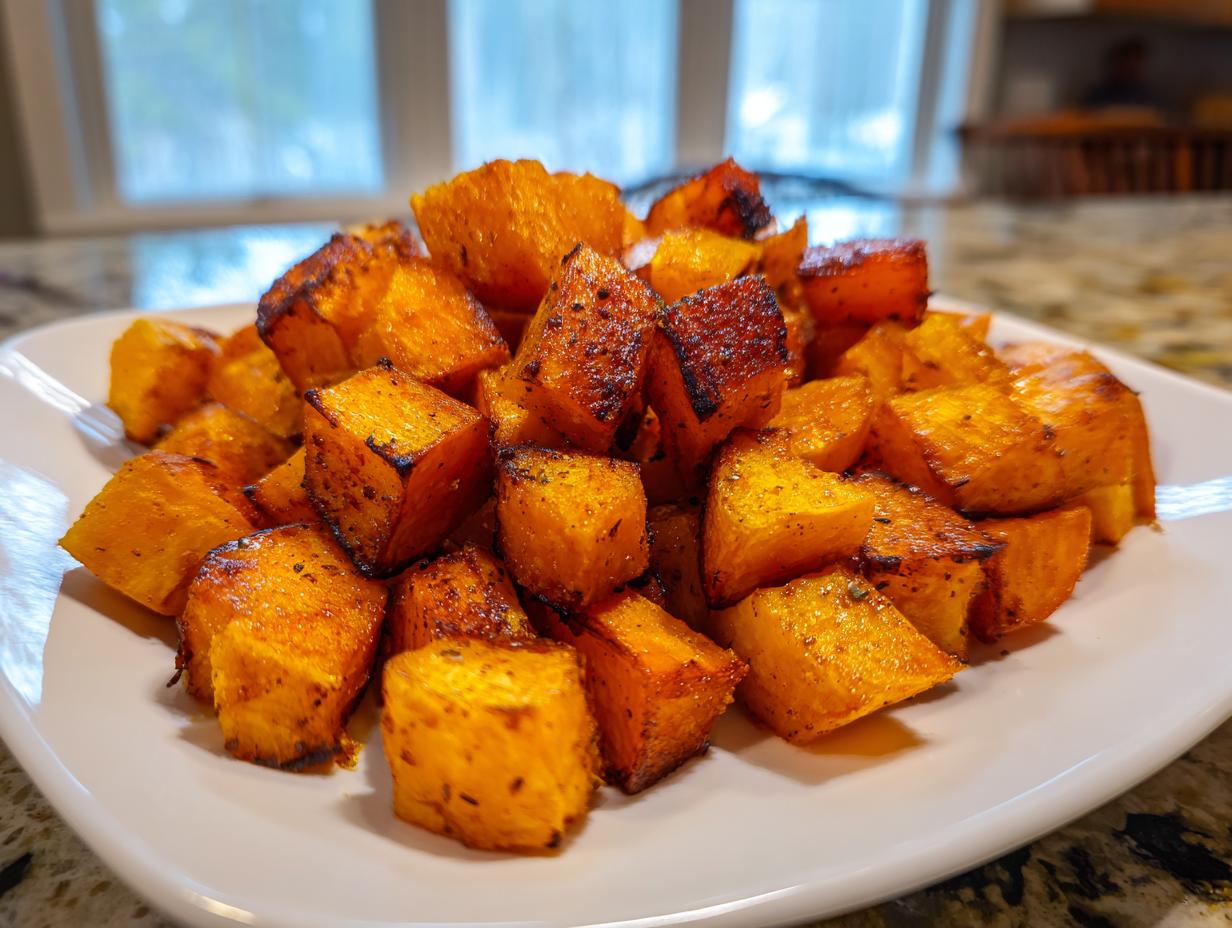
I don’t know about you, but finding a truly satisfying vegetable side dish that doesn’t take all afternoon can feel impossible sometimes. We want healthy, sure, but we also want that pop of flavor and that amazing texture, right? That’s why I spent ages perfecting my method for roasted butternut squash. It’s the secret weapon in my arsenal! This recipe guarantees those beautiful, deeply caramelized edges while keeping the inside soft and creamy. Trust me, once you nail the high-heat technique for roasting, you’ll feel completely in command of all your oven roasted vegetables. It’s seriously that good!
- Why This Is the Best Roasted Butternut Squash Recipe
- Ingredients for Simple Roasted Butternut Squash
- How to Roast Butternut Squash: Step-by-Step Instructions
- Tips for Perfect Roasted Butternut Squash Every Time
- Serving Suggestions for Your Easy Butternut Squash Side
- Storage and Reheating Instructions for Leftover Roasted Butternut Squash
- Frequently Asked Questions About Roasted Butternut Squash Recipe
- Nutritional Estimate for This Healthy Roasted Squash Recipe
- Share Your Perfect Roasted Butternut Squash
Why This Is the Best Roasted Butternut Squash Recipe
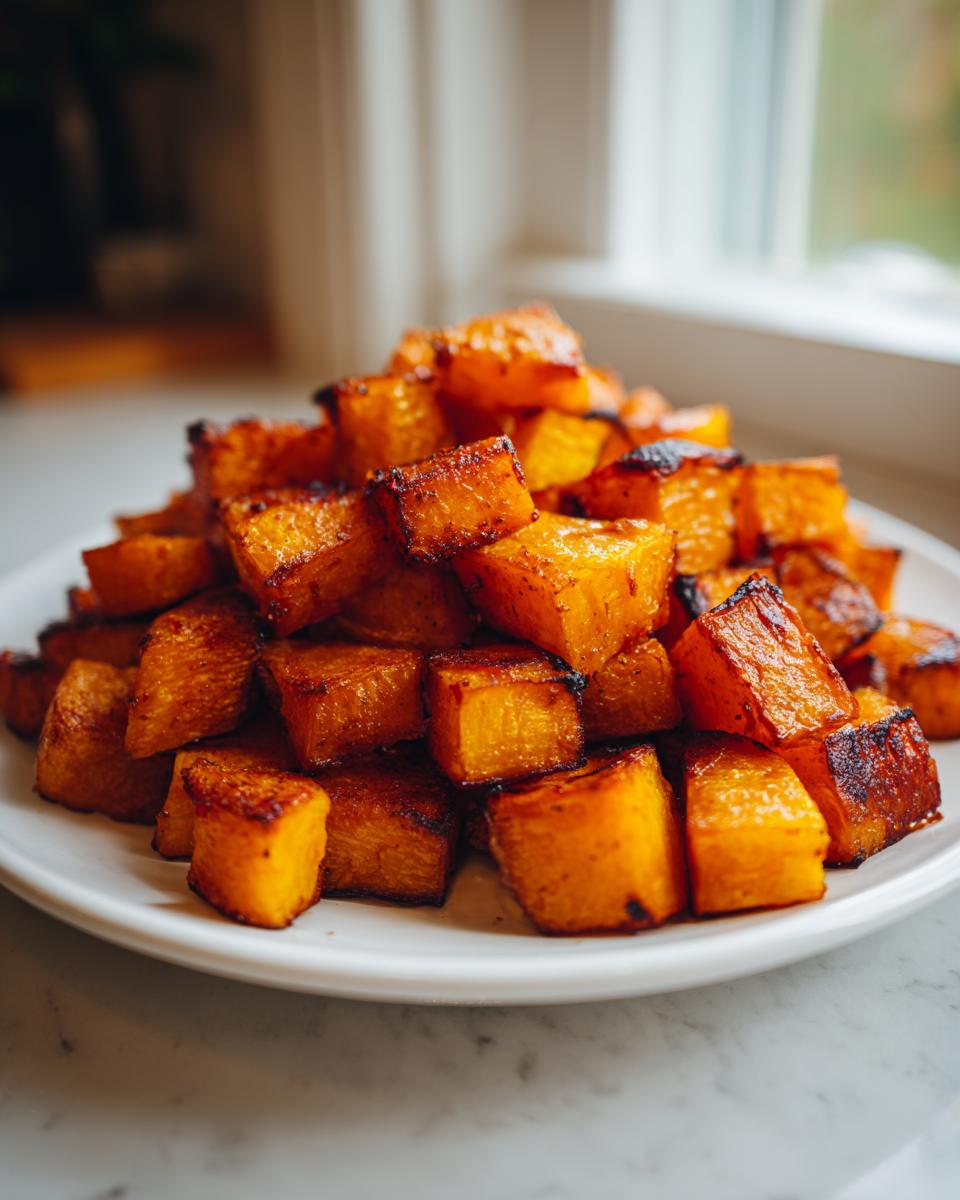
I wanted this particular roasted butternut squash method to mimic that rich, nutty flavor you only get from perfectly slow-cooked food, but in about 30 minutes. It works because we are treating the squash cubes with respect! They roast up beautifully, developing that incredible depth of flavor that makes them taste gourmet, even if you’re just whipping them up on a Tuesday night. This is the easiest route to a show-stopping side.
- It’s genuinely quick—ready in under 45 minutes total!
- We nail the sweet and savory balance every single time.
- It creates a healthy roasted squash recipe that feels indulgent.
- It browns beautifully without needing pans full of oil.
If you love sides that are rich and satisfying, check out my recipe for creamy vegetable casserole too; it hits the same comfort notes!
Achieving Caramelized Butternut Squash Texture
The secret to that heavenly texture—you know, the creamy inside crispy edges squash—comes down to two things: high heat and space. You need your oven cranked up to 400°F. This scorches the natural sugars on the outside of the cubes quickly, creating those dark, caramelized spots we all crave. If you pile them too high on the pan, they steam instead of roast. And nobody wants steamed squash!
When you spread them out in a single layer? That hot, dry air circulates, drying out the exterior just enough to create that perfect crust while the interior stays gloriously soft and tender.
Ingredients for Simple Roasted Butternut Squash
Okay, the beauty of this roasted butternut squash recipe is how uncomplicated it is. Good flavor doesn’t need a million exotic things! We are using squash, good olive oil, and basic pantry seasonings to hit that sweet-savory mark. I’ve also noted cinnamon as optional; seriously, that little hint of spice takes it to the next level, kind of like my fudgy sweet potato brownies do!
- 2 medium butternut squash (about 3 lbs total), peeled and cut into 1-inch cubes
- 3 tablespoons olive oil
- 1 teaspoon kosher salt
- 1/2 teaspoon black pepper
- 1/2 teaspoon garlic powder
- 1/4 teaspoon ground cinnamon (totally optional, but trust me on this one!)
That’s it, friends! Simple ingredients ready to transform into a delicious Thanksgiving side dish idea!
How to Roast Butternut Squash: Step-by-Step Instructions
This is where the magic happens, and honestly, it’s so straightforward. We’re aiming for perfectly cooked butternut squash cubes roasting up into golden jewels. Before you do anything else, get your oven hot! We’re preheating to 400 degrees Fahrenheit. I can’t stress this enough: you need that high, dry heat working for you if you want those crispy bits. If you want a guide on how long to roast, you can check out this resource on how to roast butternut squash in the oven, but my method keeps it simple!
I always make sure my baking sheet is ready to go. Make sure you aren’t overcrowding this pan, or you’ll end up with soft, steamed vegetables instead of the satisfying, crisp-edged side we are aiming for. If you have to use two sheets, please use two! That’s my big tip for getting that perfect texture.
Prepping the Butternut Squash Cubes
This part is slightly messy—you’ve been warned! First things first, you have to peel that thick skin off. I find a sturdy vegetable peeler does the trick best. Once peeled, slice the squash in half from top to bottom and scoop out all those annoying seeds and stringy bits with a regular tablespoon. Then, cut the halves into nice, even 1-inch cubes. Uniform size is so important here because it guarantees that every piece is tender at the same time. Don’t eyeball it; consistency is key for a perfect oven roasted vegetables outcome.
Seasoning and Oven Roasting for Caramelized Butternut Squash
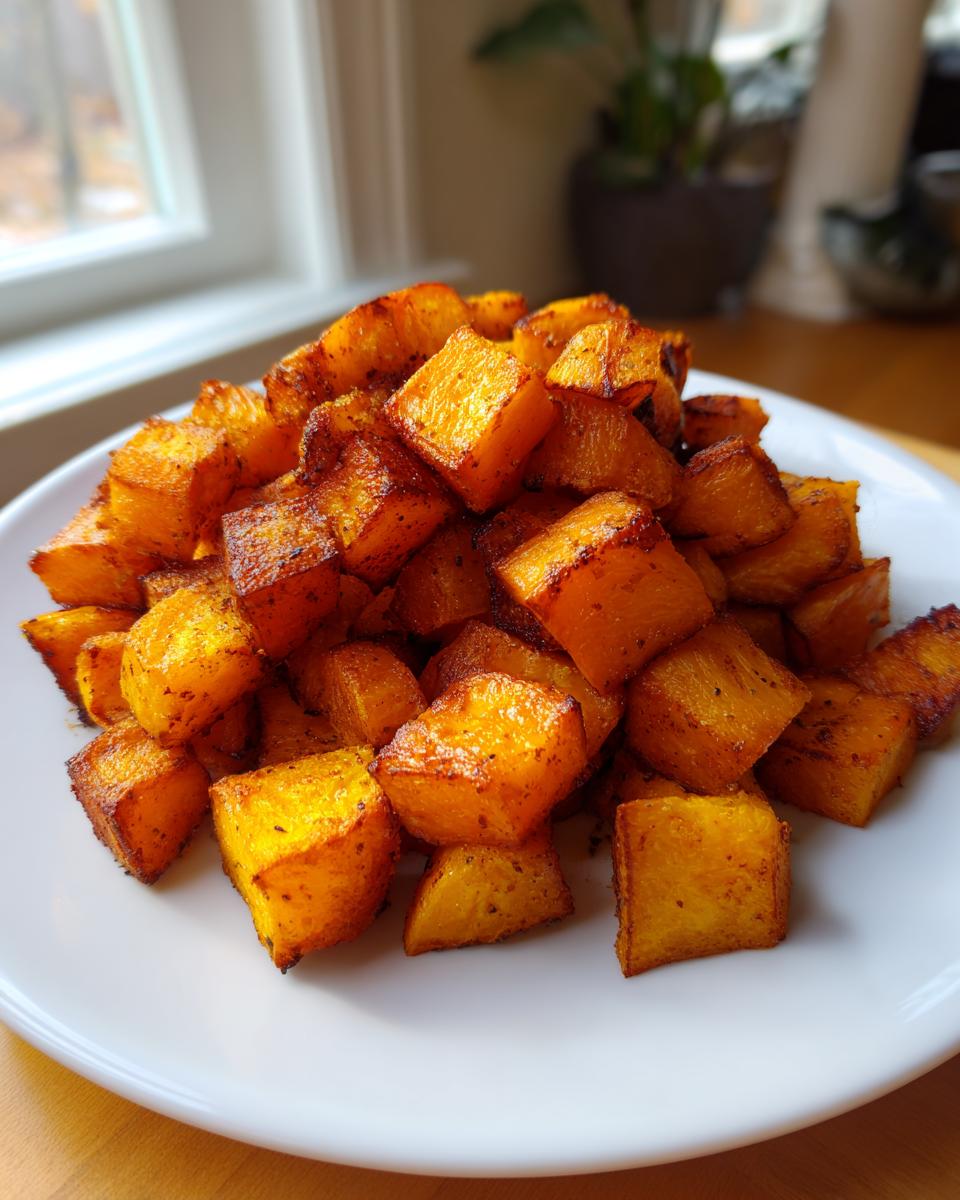
Once your cubes are waiting on the sheet, drizzle on that olive oil and use your hands right there on the pan to toss everything until it’s glossy. Now, hit it with the salt, pepper, and garlic powder. Toss it one more time so everything is evenly coated. Spread them out into that single layer we talked about. They go into the 400°F oven for a solid 25 to 35 minutes. Around the 15-minute mark, pull them out and flip every single piece with a spatula. This flipping ensures you get that deep, gorgeous caramelized butternut squash flavor on all sides before serving this simple fall vegetable side dish!
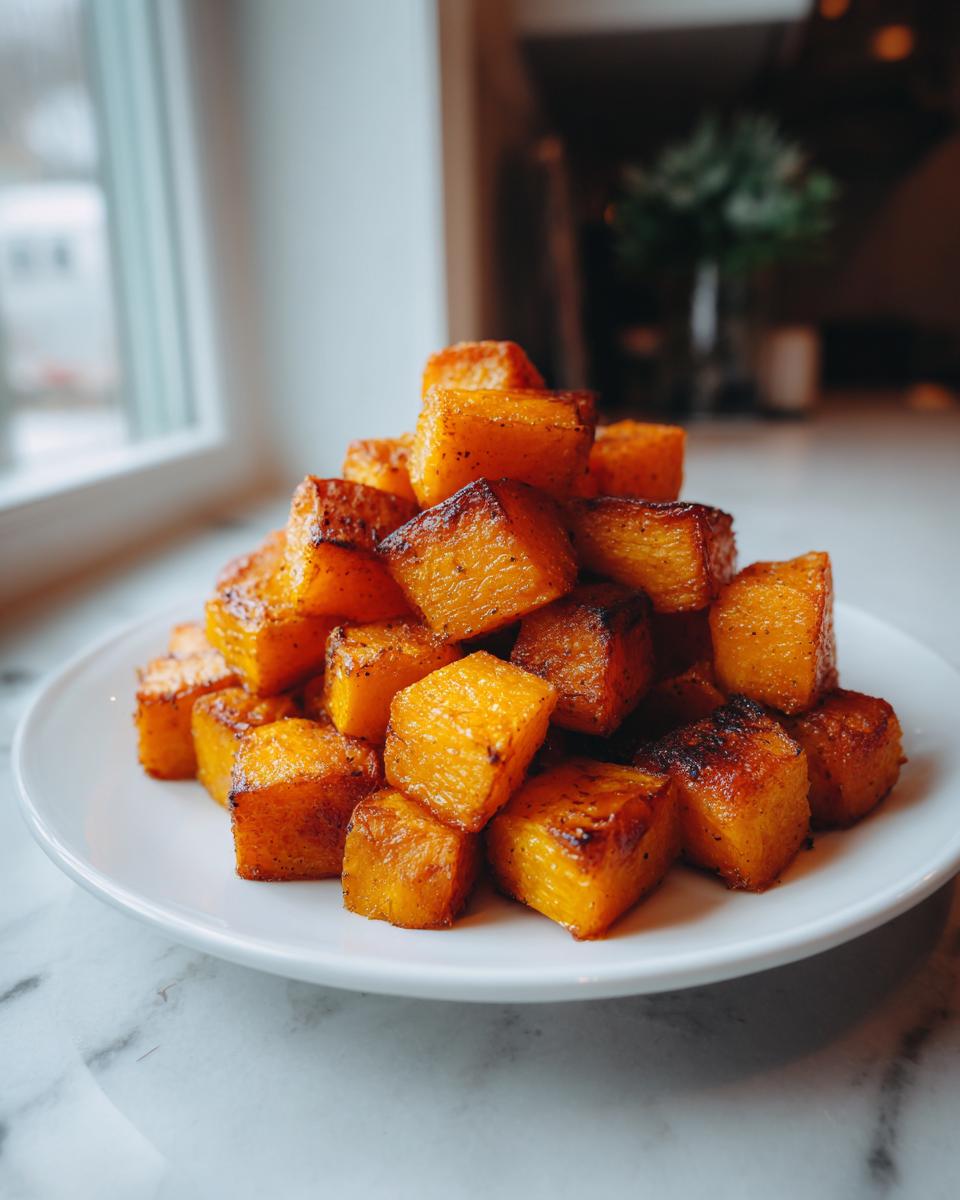
When they come out tender and brown, serve them immediately, or maybe mix them into something delicious like my garlic butter rice for an extra decadent dinner side. If you prefer keeping things simple, my air fryer French fries are just as easy!
Tips for Perfect Roasted Butternut Squash Every Time
It’s one thing to have a great recipe, and another thing entirely to execute it flawlessly every single time we make it. Mastering this simple roasted butternut squash is all about those little adjustments that make a huge difference in texture and flavor. My goal for you is that deep exterior caramelization without any mushiness lurking inside. Remember, if your cubes look soggy when they come out, that usually means the pan was too crowded, or the oven wasn’t hot enough when they went in. Don’t be afraid to turn up the heat slightly after you flip them if they haven’t browned enough!
Flavor Boosts and Simple Variations
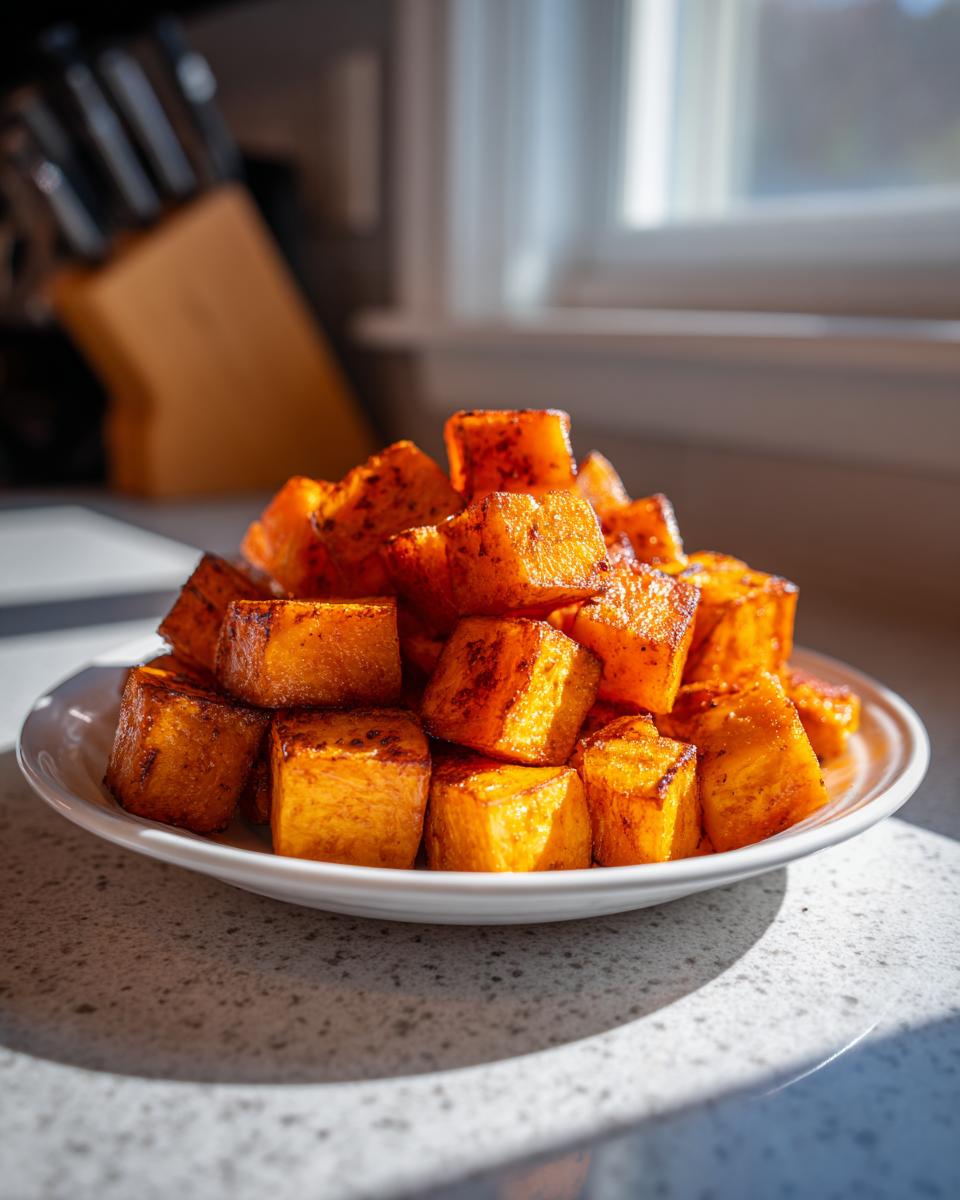
If you want to take your easy butternut squash side dish from weeknight basic to holiday spread worthy, try adding a little something extra during those last 10 minutes of roasting. A tablespoon of good quality maple syrup drizzled over the top just before the final flip creates this incredible, sticky glaze—it’s amazing! Also, don’t forget fresh herbs if you have them. Toss the cubes with a tiny bit of olive oil, salt, and pepper, and then sprinkle a teaspoon of fresh rosemary or thyme over everything before they even hit the oven. That creates a lovely herbed roasted butternut squash profile that pairs beautifully with chicken or pork.
If you’re looking for a hearty main dish after mastering this side, you have to try my chicken cobbler casserole. It’s true comfort food!
Serving Suggestions for Your Easy Butternut Squash Side
Now that you’ve mastered the easy roasting technique, the next question is: what do we serve this wonderful roasted butternut squash with? Because this side hits that perfect sweet-savory note, it’s incredibly versatile. For a quick weeknight dinner, I love tossing these cubes right into a simple grain bowl or serving them alongside a crisp Caesar salad with chicken for some brightness.
When the holidays roll around, this roasted butternut squash is a non-negotiable addition to the table. It’s lighter than heavy casseroles but just as comforting. It pairs perfectly next to creamy mashed potatoes or even stirred into a bright soup, like my lemon ginger turmeric chicken and rice soup. It truly is the ultimate Thanksgiving side dish idea!
Storage and Reheating Instructions for Leftover Roasted Butternut Squash
One of the best things about roasting vegetables this way is that they taste almost as good the next day! If you happen to have any leftovers—which, let’s be honest, rarely happens in my house—storage is super easy. You want to make sure they cool down completely first, then pack them into a standard airtight container. Keep them tucked away in the fridge, and they should stay fresh and delicious for about four or five days.
Now, when it comes time for reheating, try to avoid the microwave if you care about keeping that lovely crispy exterior we worked so hard to achieve. Microwaving tends to steam the squash and make it too soft. For the best results, spread those cubes back out on a baking sheet—no need for extra oil—and pop them back into a 350°F oven for about 5 to 7 minutes. That little bit of dry heat brings back the firmness to the edges beautifully!
If you’re in a real rush and don’t mind sacrificing a little texture, the microwave works in a pinch, just use short 30-second bursts until warm. If you’re planning ahead, these leftovers are fantastic tossed cold into a quick salad, kind of like the vibe in my easy bean salad! They add a nice sweetness to something savory.
Frequently Asked Questions About Roasted Butternut Squash Recipe
I get so many wonderful questions about this roasted butternut squash recipe because everyone wants that perfect balance! Honestly, most folks ask about prep time or substitutions. Since we are going for that specific texture, it really comes down to technique, but I’m happy to clear up my usual troubleshooting!
Can I roast butternut squash without peeling it first?
You absolutely *can*, but I really don’t recommend it if you’re looking for the tender texture this recipe aims for. The skin on butternut squash is very tough and doesn’t soften up much, even roasting at 400 degrees. It ends up being tough and kind of bitter when you try to eat it next to the soft inner flesh. If you plan on pureeing it for a soup later, then leaving the skin on is fine for roasting, but for side dish cubes, peeling is the way to go!
What is the best temperature for roasted butternut squash?
My preferred temperature for getting those deep brown, almost burnt edges—the sign of true caramelized butternut squash—is definitely 400°F. If you use anything lower, say 350°F, the squash cooks too slowly and starts to steam in its own moisture before it can properly brown. That high heat instantly starts caramelizing the natural sugars, which is what creates that beautiful sweet and savory squash experience we are aiming for. It’s essential for achieving the best result!
If you are looking for a way to use up your surplus of squash, try whipping up my creamy butternut squash pasta next week. It’s fantastic!
Nutritional Estimate for This Healthy Roasted Squash Recipe
I always want to show you what you’re working with when you make one of my go-to sides, like this roasted butternut squash. Now, please remember these numbers are just my best estimate based on the specific amounts of oil and spices listed in the recipe. Different squash sizes and amounts of drizzle can change things up! But generally, you’re looking at a powerhouse of flavor that keeps the counters clean after you eat it.
- Serving Size: 1 cup cooked
- Calories: 150
- Fat: 6g
- Carbohydrates: 25g (including 5g Fiber)
- Protein: 2g
It’s a wonderfully healthy roasted squash recipe that fits right into nearly any plan!
Share Your Perfect Roasted Butternut Squash
Well, we’ve done it! We took a humble squash and turned it into this amazing, simple fall vegetable side. I’m genuinely hoping this recipe becomes a staple in your rotation—whether it’s just for a Tuesday night dinner or waiting patiently for its star turn at Thanksgiving.
Now it’s your turn! I absolutely love hearing how my readers adapt things in their own kitchens. Did you sneak in some maple syrup for extra caramelization? Did you try pairing it with a sharp cheese? Let me know!
Please take a moment to rate this recipe once you’ve made it—five stars helps other busy cooks find this easy method! And don’t forget to tell me in the comments below your very favorite way to use these perfectly roasted cubes. Are they going into a grain bowl? Just eating them straight off the pan? I’m eager to hear all about it!
If you want more dependable, fail-proof recipes for busy nights or party planning, check out my collection of easy appetizers and snacks. Happy cooking, friends!
PrintSimple & Perfectly Caramelized Roasted Butternut Squash: The Ultimate Easy Weeknight Side
You need a fast side dish that does not sacrifice flavor. This roasted butternut squash recipe delivers crispy, golden edges and a soft, creamy interior. It is perfect for easy dinner nights, healthy food ideas, or your next holiday spread, hitting that sweet-savory balance with simple ingredients.
- Prep Time: 15 min
- Cook Time: 30 min
- Total Time: 45 min
- Yield: 6 servings 1x
- Category: Side Dish
- Method: Roasting
- Cuisine: American
- Diet: Vegetarian
Ingredients
- 2 medium butternut squash (about 3 lbs total)
- 3 tablespoons olive oil
- 1 teaspoon kosher salt
- 1/2 teaspoon black pepper
- 1/2 teaspoon garlic powder
- 1/4 teaspoon ground cinnamon (optional, for sweet notes)
Instructions
- Preheat your oven to 400 degrees Fahrenheit (200 degrees Celsius). You will need a large baking sheet.
- Prepare the squash: Peel the butternut squash. Cut it in half lengthwise. Scoop out the seeds and stringy pulp using a spoon.
- Cut the squash halves into uniform 1-inch cubes. Uniform size helps the squash cook evenly.
- Place the squash cubes onto the prepared baking sheet. Do not overcrowd the pan; use two sheets if necessary to allow for better caramelization.
- Drizzle the olive oil over the squash cubes. Toss the cubes directly on the pan until they are evenly coated.
- Sprinkle the salt, pepper, garlic powder, and cinnamon (if using) over the squash. Toss again to distribute the seasonings.
- Spread the seasoned squash into a single layer on the baking sheet. This step is key for achieving crispy edges.
- Roast for 25 to 35 minutes. Halfway through the cooking time (around 15 minutes), use a spatula to flip the cubes so they brown on all sides.
- The squash is done when it is tender when pierced with a fork and has developed deep golden-brown, caramelized edges.
- Remove from the oven and serve immediately as your easy butternut squash side dish.
Notes
- For extra flavor, toss the squash with 1 tablespoon of maple syrup during the last 10 minutes of roasting.
- If you prefer softer edges, cover the baking sheet loosely with foil for the first 15 minutes of roasting, then remove the foil to allow for browning.
- This recipe works well with other oven roasted vegetables like Brussels sprouts or sweet potatoes mixed in.
Nutrition
- Serving Size: 1 cup cooked
- Calories: 150
- Sugar: 8
- Sodium: 300
- Fat: 6
- Saturated Fat: 1
- Unsaturated Fat: 5
- Trans Fat: 0
- Carbohydrates: 25
- Fiber: 5
- Protein: 2
- Cholesterol: 0