

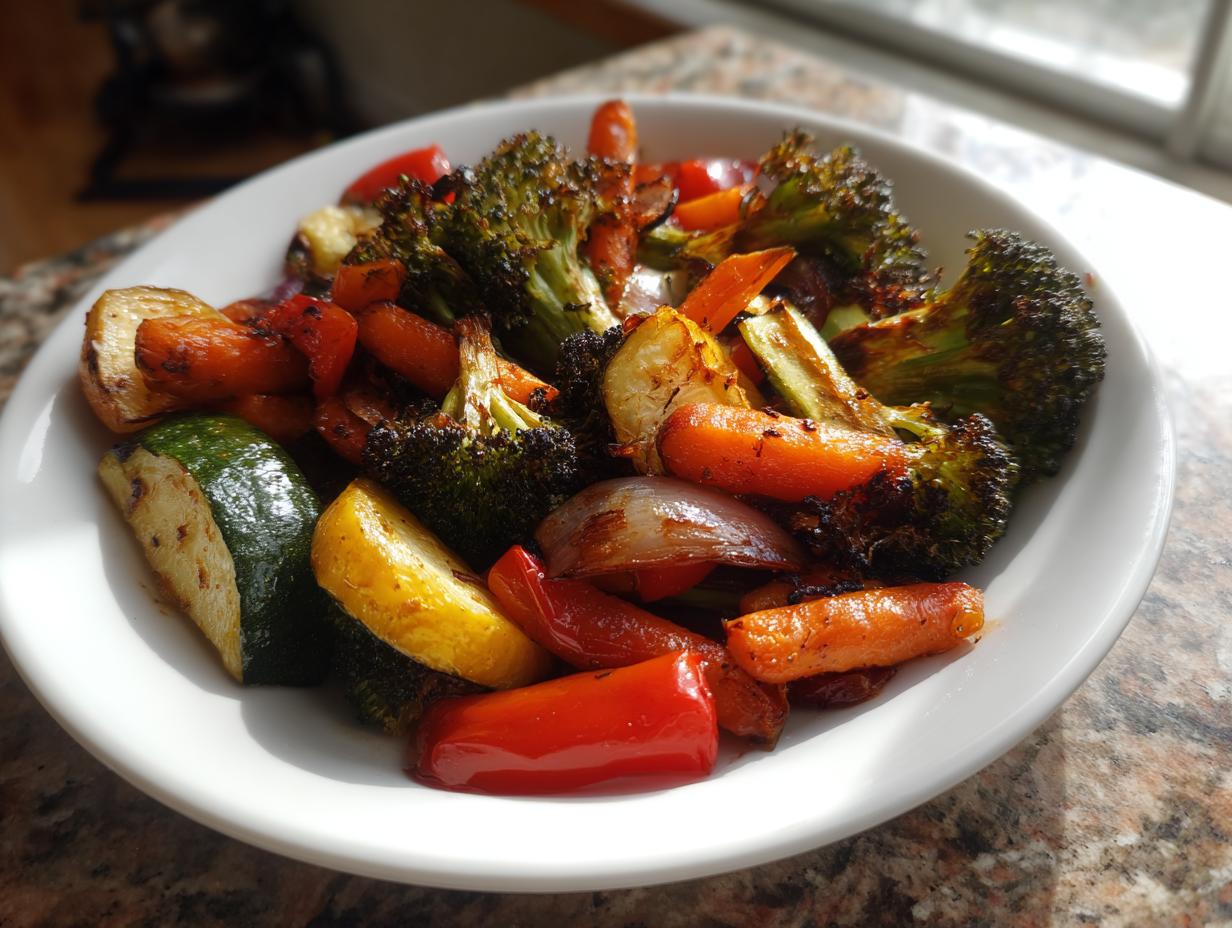
There’s a special kind of magic tucked away in a simple side dish, isn’t there? At Cookery Command, we believe that even something as straightforward as roasted vegetables should absolutely sing on your dinner table. Forget serving up sad, steamed slices! I’ve spent years in test kitchens perfecting the technique so you never have to worry about bland or mushy results again. This recipe is my definitive guide to making the roasted vegetables you always dreamed of—perfectly tender on the inside with those deeply browned, sweet, caramelized edges. Trust me, once you master this technique, you’ll approach every vegetable with total confidence.
- Why This Is the Best Roasted Vegetables Recipe
- Ingredients for Perfect Roasted Vegetables
- Vegetable Roasting Techniques: How to Roast Vegetables
- Tips for Success with Oven Roasted Vegetable Medley
- Customizable Roasted Vegetables: Flavor Variations
- Serving Suggestions for Your Easy Vegetable Side Dish
- Storage and Reheating Instructions for Roasted Vegetables
- Frequently Asked Questions About Roasted Vegetables
- Nutritional Estimates for Simple Healthy Vegetable Sides
Why This Is the Best Roasted Vegetables Recipe
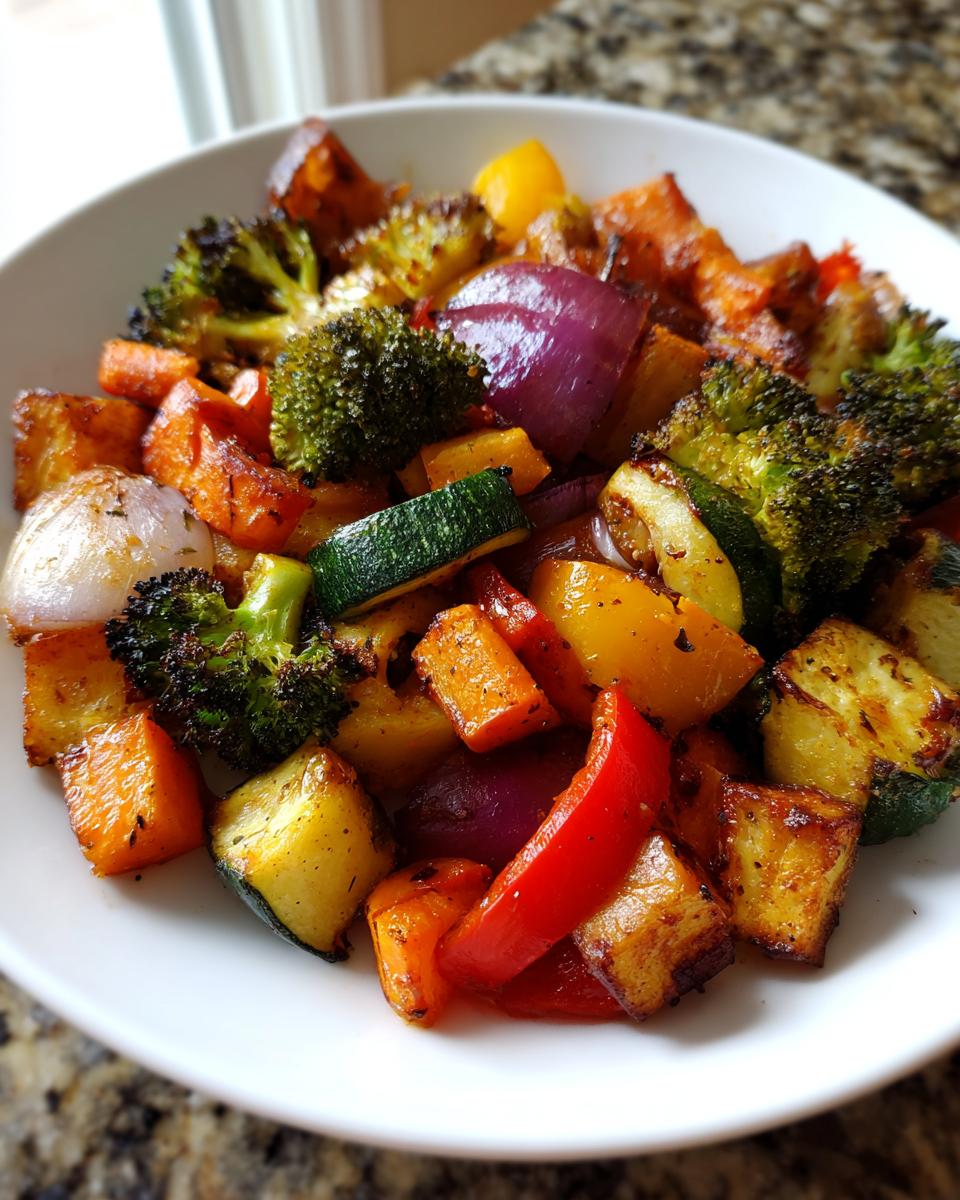
When I first started experimenting, I battled the dreaded mushy vegetable more times than I care to admit. It felt like a total loss! The key I finally unlocked—and the science behind why this recipe delivers Perfect Roasted Vegetables—comes down to two non-negotiables: high heat and space. We blast the oven to 425°F and ensure every single piece has room to breathe on the sheet pan. This combination lets the sugars caramelize beautifully, giving you that incredibly sweet flavor and the ideal Tender Roasted Vegetables texture.
You won’t see me compromising on these steps. I learned the hard way that sneaking an extra carrot onto the pan just guarantees steam instead of sear. We’re going for depth of flavor here, which means making sure our vegetables don’t stew! If you want to see a wonderful example of technique, check out this guide on how to make the best roasted vegetables.
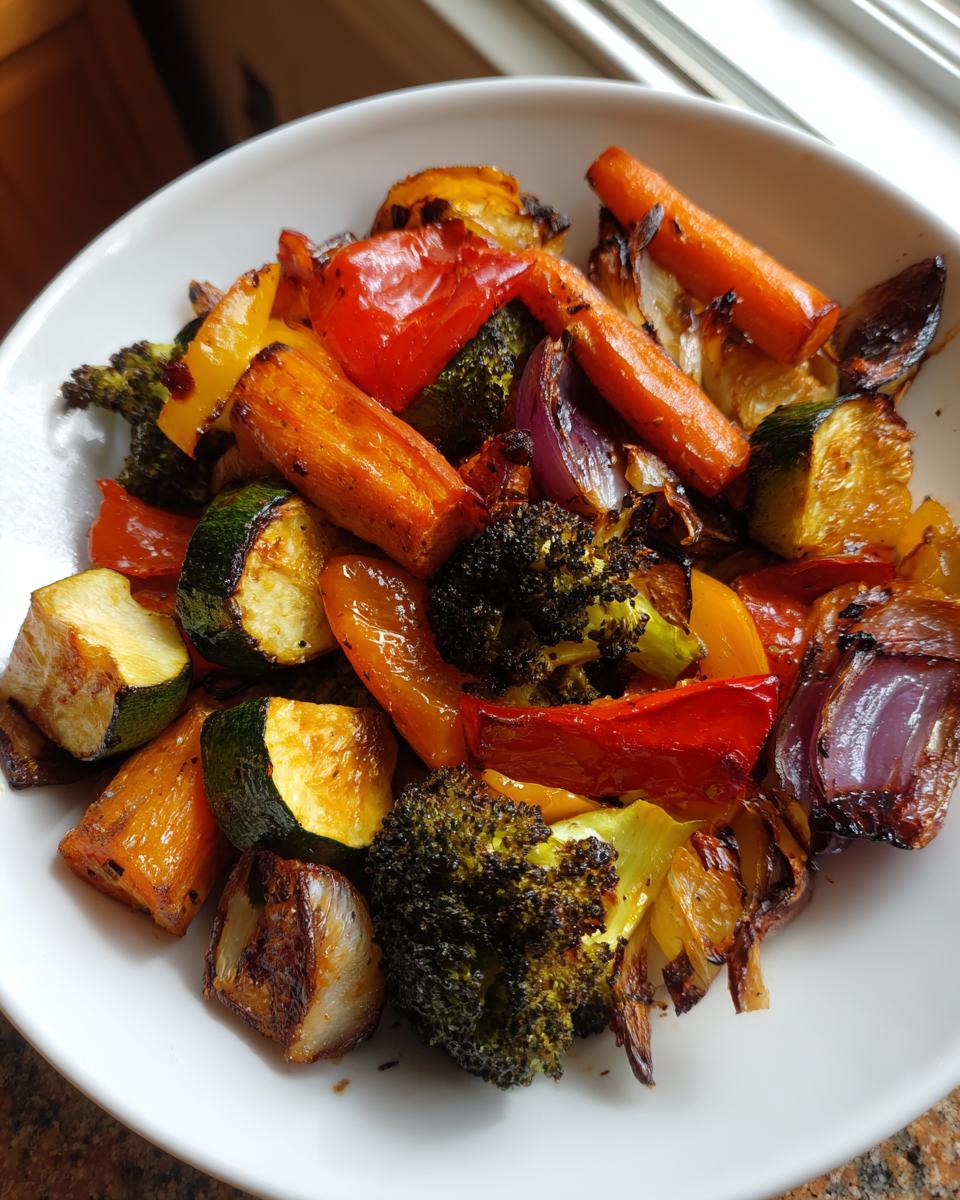
Achieving Caramelized Roasted Vegetables Texture
Think of it like this: high heat plus a thin layer of olive oil makes the outside crisp up quickly. That crisp crust locks in the moisture inside the vegetable, cooking it through perfectly without turning it spongy. If you pile things high, you trap steam, and steam equals mush. We want that gorgeous Maillard reaction—that browning that gives depth. Keep those veggies in a single layer, and you’ve done 80% of the work already!
Ingredients for Perfect Roasted Vegetables
Trust me when I say that having the right components ready is half the battle won. For this straightforward recipe, we’re keeping the core seasoning classic so the flavor of the vegetables really shines through. You’ll need about two pounds of mixed produce. The key here, which I stress in the next section, is preparation.
- 2 lbs mixed vegetables (I love broccoli florets, carrots, bell peppers, zucchini, and red onion when I make an Oven Roasted Vegetable Medley)
- 3 tablespoons olive oil
- 1 teaspoon kosher salt
- 1/2 teaspoon black pepper
- 1 teaspoon garlic powder
- 1/2 teaspoon dried Italian herbs
Ingredient Notes and Substitutions for Roasted Vegetables
Listen, the single most important technique here, besides the high heat, is cutting your vegetables uniformly. Carrots take longer than zucchini, so if they aren’t similar in size, you’ll end up with some bits that are tender and some that are charcoal! If you swap things out, remember that hard root vegetables need to be smaller than softer ones. If you want that incredible sweet and tangy finish, just toss everything with 1 tablespoon of maple syrup and 1 teaspoon of Dijon mustard along with the oil before baking. It makes the most delightfully Flavorful Vegetable Sides!
Vegetable Roasting Techniques: How to Roast Vegetables
Now we get down to the actual assembly—this is where you learn exactly How to Roast Vegetables to achieve that signature texture we talked about. Getting this part right turns a simple vegetable prep into a genuine oven roasted vegetable medley masterpiece. We’re moving fast, but we aren’t cutting corners on technique. Remember, the oven must be screaming hot before anything goes in! For a fantastic guide on making these easy, check out these simple steps here.
Preheating and Pan Preparation for Roasted Vegetables
First thing first: Crank that oven up to 425 degrees Fahrenheit. You absolutely must wait until it hits that mark before you even think about opening the door. Next, grab a large, rimmed baking sheet—and I mean large! We need that single layer we discussed so the veggies can roast, not steam. If your vegetables are piled high, they are hugging each other, which leads straight to sogginess. Use two pans if you have to; I always say it’s better to have two lightly loaded pans than one overcrowded disaster.
Seasoning Roasted Vegetables for Maximum Flavor
Once everything is cut and oiled, we move onto Seasoning Roasted Vegetables. Toss them vigorously in a big bowl until every piece has a nice sheen. We’re using salt, pepper, garlic powder, and herbs here for a great baseline flavor. If you’re aiming for the deep flavor described in my Garlic Roasted Vegetables Tutorial, save any fresh minced garlic you might use and toss it in during the last five minutes of cooking—fresh garlic burns too fast otherwise! This seasoning step is critical for building layers of taste.
Tips for Success with Oven Roasted Vegetable Medley
I know you’re focused on hitting that sweet spot between soft inside and crispy outside, and that’s where technique really shines. If you want to avoid those dreaded No Mushy Vegetables results, you need to respect the timing. Seriously, that preheat matters! If the oven isn’t screaming hot when those veggies hit the pan, they just won’t caramelize properly. You’ll end up cooking them slowly in their own moisture.
Secondly, remember that middle-of-the-road toss! Around the twelve-minute mark, pull that sheet pan out. Give everything a good stir or flip so that the parts touching the metal get that direct hit of heat, promoting browning on all sides. This simple move makes a huge difference in your final Oven Roasted Vegetable Medley. If you want some more inspiration on getting the absolute best results, I highly recommend taking a look at this ultimate guide to mixing your garden bounty.
Customizable Roasted Vegetables: Flavor Variations
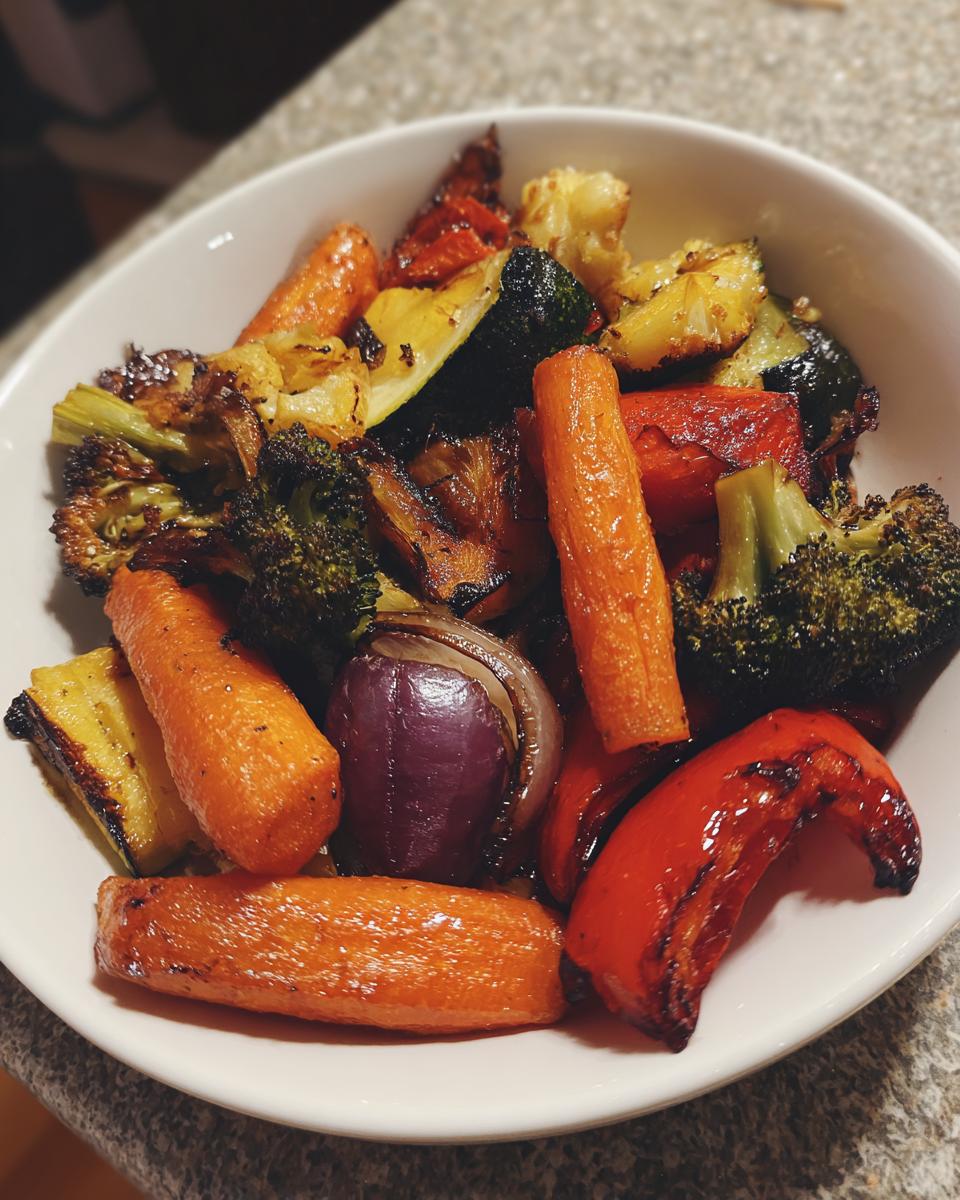
This base recipe for roasted vegetables is fantastic on its own, but honestly, where the real fun begins is in experimenting with different flavor profiles! This is what makes them the ultimate Customizable Roasted Vegetables side dish—you can change them up every single week. You already know I mentioned the Maple Dijon glaze earlier, which gives you that lovely sweet and tangy contrast. It pairs so beautifully with root vegetables like carrots and parsnips, giving them a wonderful glossy finish. I’ve got the full details on that fantastic flavor combo right here if you want to see the official measurements for that glaze.
But if you’re feeling more savory, try this: about halfway through roasting, sprinkle on some finely grated Parmesan cheese and a pinch of smoked paprika. The cheese melts beautifully and gets those tiny little crispy edges that are just addictive. Or, for a Mediterranean twist, skip the Italian herbs and toss them with fresh rosemary, lemon zest, and a drizzle of balsamic vinegar right when they come out of the oven. See? So many ways to keep your side dishes exciting!
Serving Suggestions for Your Easy Vegetable Side Dish
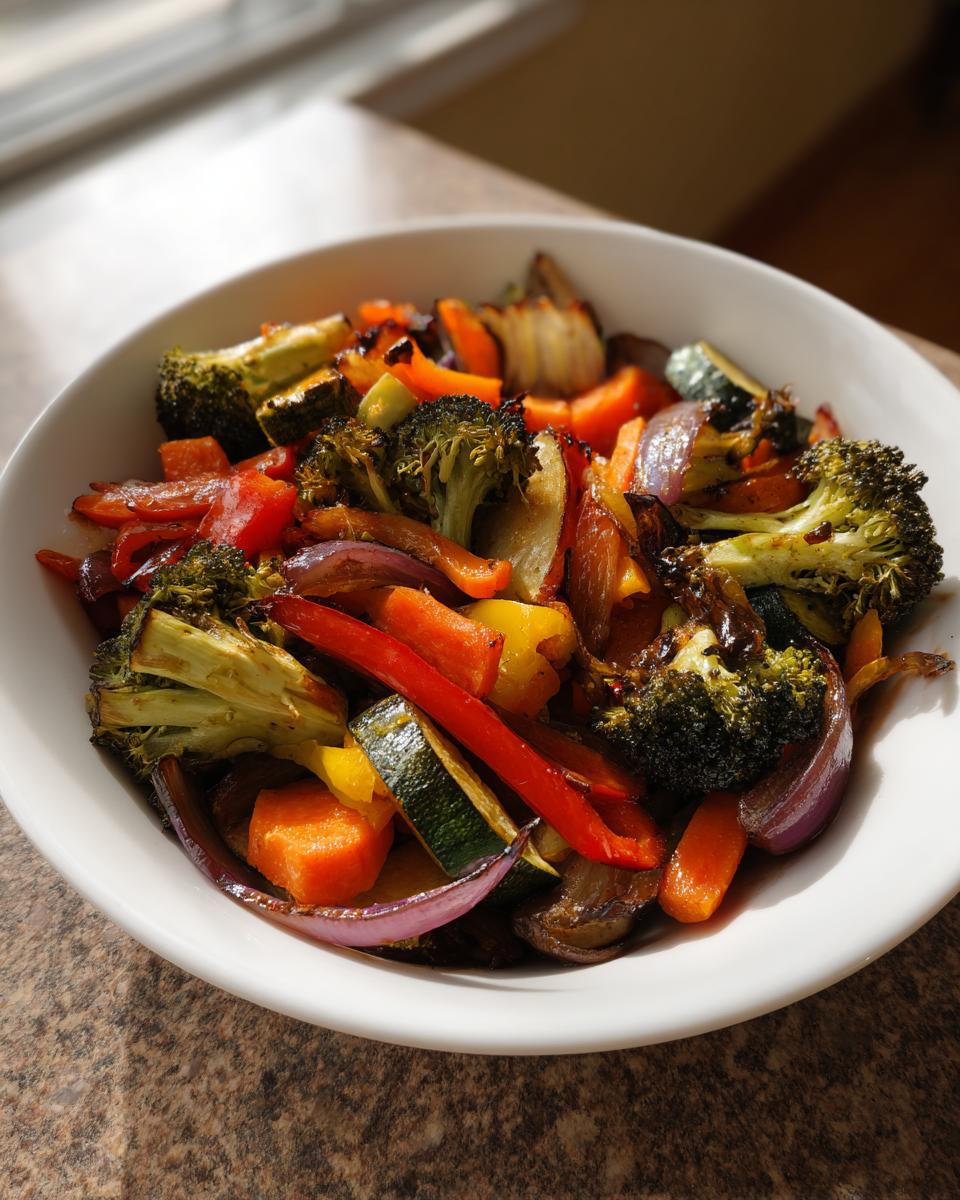
Once you have mastered this method, these roasted vegetables become your secret weapon for almost any meal. They truly shine as an Easy Vegetable Side Dish because they are so adaptable. For a fantastic weeknight win, pair them right alongside my simple Coconut Lime Chicken Skillet. The brightness of the lime cuts through the earthy sweetness of the roasted carrots and peppers so well. They don’t just work for quick dinners, either; make a huge batch and set them out for holiday tables—everyone will be asking where you bought them!
If you are serving a roast, these are a fantastic, slightly lighter alternative to heavy starches. And for my vegetarian friends, these veggies are brilliant mixed into a hearty grain bowl or even tucked inside a warm tortilla with some black beans and a dash of hot sauce. I saw some lovely suggestions for holiday pairings on this site, too, showing just how versatile a good roast can be!
Storage and Reheating Instructions for Roasted Vegetables
Don’t just eat them all in one sitting—though I totally get the temptation! If you have leftovers of your delicious roasted vegetables, the best way to keep them fresh is to let them cool down completely first. Then, tuck them into an airtight container and pop them in the fridge. They’ll be good for three or maybe four days.
When you’re ready for round two, the microwave is your enemy if you want texture! It turns them soft instantly. Instead, I strongly recommend reheating them either back in the oven for about five minutes or, even better, tossing them into your air fryer for a quick crisp-up. For the absolute crispiest second-day vegetables, you should totally check out my method for crispy air fryer fries—the technique works perfectly here, too!
Frequently Asked Questions About Roasted Vegetables
I know stepping away from a recipe can sometimes leave you with questions, especially when it comes to things like timing and texture. That’s totally normal! I’ve pulled together the most common things folks ask me when they’re trying to nail that perfect roasted vegetables flavor profile. Don’t hesitate to ask if you have something else bubbling up!
Can I use fresh garlic instead of garlic powder in my roasted vegetables?
Oh, absolutely! If you’re aiming for that really aromatic experience described in my Garlic Roasted Vegetables Tutorial, fresh garlic is wonderful. But here’s the trick: don’t put it in at the beginning with the dry spices. Fresh garlic burns fast at 425°F. Toss it in during the last 5 minutes of roasting. That way, it infuses the veggies with flavor without turning bitter or black.
What is the ideal temperature for making caramelized roasted vegetables?
If you want those sweet, crispy edges, you have to go high! The ideal temperature is 425 degrees Fahrenheit. I can’t stress this enough—that high heat gets the outside beautifully browned and caramelized quickly. If you go lower than 400°F, you risk baking the water out slowly, and that’s how you end up with a pan of mushy vegetables instead of perfectly roasted ones.
How do I make sure my oven roasted vegetable medley cooks evenly?
This is all about consistency, honey! You need two things working together for an even cook in your Oven Roasted Vegetable Medley. First, cut all your different vegetables into roughly the same size so they cook at the same rate. Second, lay them out in a single layer on that baking sheet. If they are piled up, they have to steam, which ruins the texture we worked so hard for! Give them space!
Nutritional Estimates for Simple Healthy Vegetable Sides
I always get questions about how healthy these vibrant sides really are, and I want you to feel totally confident serving them up! Since this recipe is so customizable depending on whether you use root vegetables, squashes, or leafy greens, these numbers are just an estimate based on a typical mix like the one I listed. Transparency is key in the kitchen, so here’s what we’re usually looking at for one serving of these Simple Healthy Vegetable Sides.
- Serving Size: 1 serving
- Calories: 140
- Fat: 9g
- Carbohydrates: 14g (with 4g of Fiber!)
- Protein: 3g
- Sugar: 5g
Now, remember that these numbers will absolutely shift based on what you toss in there! If you decide to go heavy on the olive oil, or if you add a drizzle of that maple syrup I mentioned, the calories and sugar content will tick up slightly. If you load it up with heavy cheese, the saturated fat goes up too. But generally speaking, this is a fantastic, nutrient-dense way to boost your plate with colorful, delicious vegetables!
PrintPerfect Oven Roasted Vegetables: Simple Technique for Tender and Caramelized Sides
Learn the simple technique for making perfect oven roasted vegetables every time. This recipe guarantees tender centers and beautifully caramelized edges, making it the best, easy vegetable side dish for any meal.
- Prep Time: 15 min
- Cook Time: 25 min
- Total Time: 40 min
- Yield: 4 servings 1x
- Category: Side Dish
- Method: Oven Roasting
- Cuisine: American
- Diet: Vegetarian
Ingredients
- 2 lbs mixed vegetables (e.g., broccoli florets, carrots, bell peppers, zucchini, red onion), cut into uniform pieces
- 3 tablespoons olive oil
- 1 teaspoon kosher salt
- 1/2 teaspoon black pepper
- 1 teaspoon garlic powder
- 1/2 teaspoon dried Italian herbs
Instructions
- Preheat your oven to 425 degrees Fahrenheit. Position the oven rack in the center position.
- Prepare your vegetables. Cut all vegetables into pieces of roughly the same size. This step is important for even cooking.
- Place the cut vegetables in a large bowl. Drizzle with the olive oil.
- Sprinkle the salt, pepper, garlic powder, and Italian herbs over the vegetables. Toss everything together until the vegetables are evenly coated with oil and seasoning.
- Spread the seasoned vegetables onto a large, rimmed baking sheet in a single layer. Do not overcrowd the pan; use two sheets if necessary. Overcrowding causes steaming, which leads to mushy vegetables.
- Roast for 20 to 25 minutes. Halfway through the cooking time (around 12 minutes), remove the pan and toss the vegetables to promote even browning.
- Continue roasting until the vegetables are tender when pierced with a fork and have developed dark, caramelized edges.
- Remove from the oven and serve immediately as a flavorful vegetable side dish.
Notes
- For extra flavor, toss with 1 tablespoon of maple syrup and 1 teaspoon of Dijon mustard before roasting for a maple dijon roasted vegetable finish.
- If you prefer garlic roasted vegetables, use 2 teaspoons of fresh minced garlic instead of garlic powder, adding it during the last 5 minutes of roasting to prevent burning.
- To prevent mushy vegetables, ensure your oven is fully preheated before placing the pan inside, and use high heat.
Nutrition
- Serving Size: 1 serving
- Calories: 140
- Sugar: 5
- Sodium: 350
- Fat: 9
- Saturated Fat: 1
- Unsaturated Fat: 8
- Trans Fat: 0
- Carbohydrates: 14
- Fiber: 4
- Protein: 3
- Cholesterol: 0