
You know, the most wonderful thing about cooking is taking something that seems impossibly fancy—like something you’d pay a fortune for on a special night out—and realizing you can absolutely conquer it right here in your own kitchen. That’s the heart of Cookery Command: putting you in command, not overwhelming you!
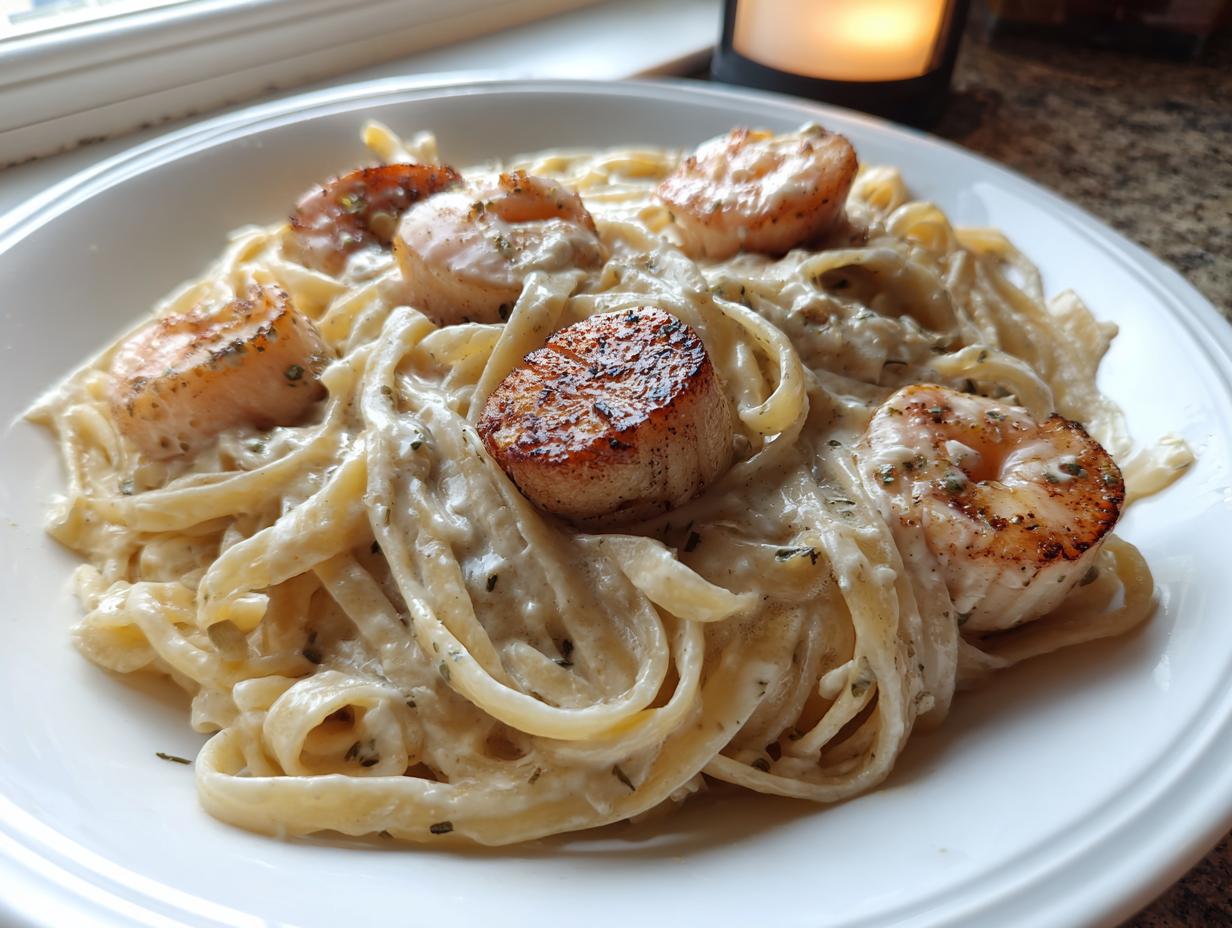
That’s exactly how I feel about this incredible seafood pasta. When you see shrimp and scallops bathing in that rich, golden sauce, your first thought might be, “That’s a date night dish.” And it is! But what I’ve refined here is a technique built on foundational methods—the right way to sear, the right way to build depth with wine—so you get that luxurious, restaurant-style payoff with surprising ease. Mastering this dish, which shares some structural secrets with my easy homemade alfredo sauce recipe, is a huge confidence boost.
- Why This Creamy Garlic White Wine Seafood Pasta is the Best Seafood Pasta Recipe
- Ingredients for Your Creamy Seafood Pasta
- Essential Equipment for Perfect Seafood Pasta
- How to Make Seafood Pasta: Step-by-Step Instructions
- Tips for Success with Your Seafood Pasta
- Variations: Beyond the Classic Seafood Pasta
- Serving Suggestions for This Elegant Seafood Pasta Dish
- Storage and Reheating Instructions for Leftover Seafood Pasta
- Frequently Asked Questions About Seafood Pasta
- Your Next Culinary Creation
Why This Creamy Garlic White Wine Seafood Pasta is the Best Seafood Pasta Recipe
So, why is this particular seafood pasta the one you need in your rotation? Honestly, it comes down to balance. Lots of recipes out there promise rich flavor but end up with a sauce that’s either too thin or clumps up the second the Parmesan hits it. My version is engineered for that perfect, velvety coating that clings beautifully to the linguine. We’re using premium shrimp and scallops here, which feel special, but the sauce is what ties it all together.
It’s all about treating those high-value ingredients right. If you’re looking for the best seafood pasta recipe that truly shines, look no further than the flavor boosters we build into the foundation. It delivers true restaurant style pasta seafood quality without the fuss.
Achieving Restaurant Style Pasta Seafood Flavor
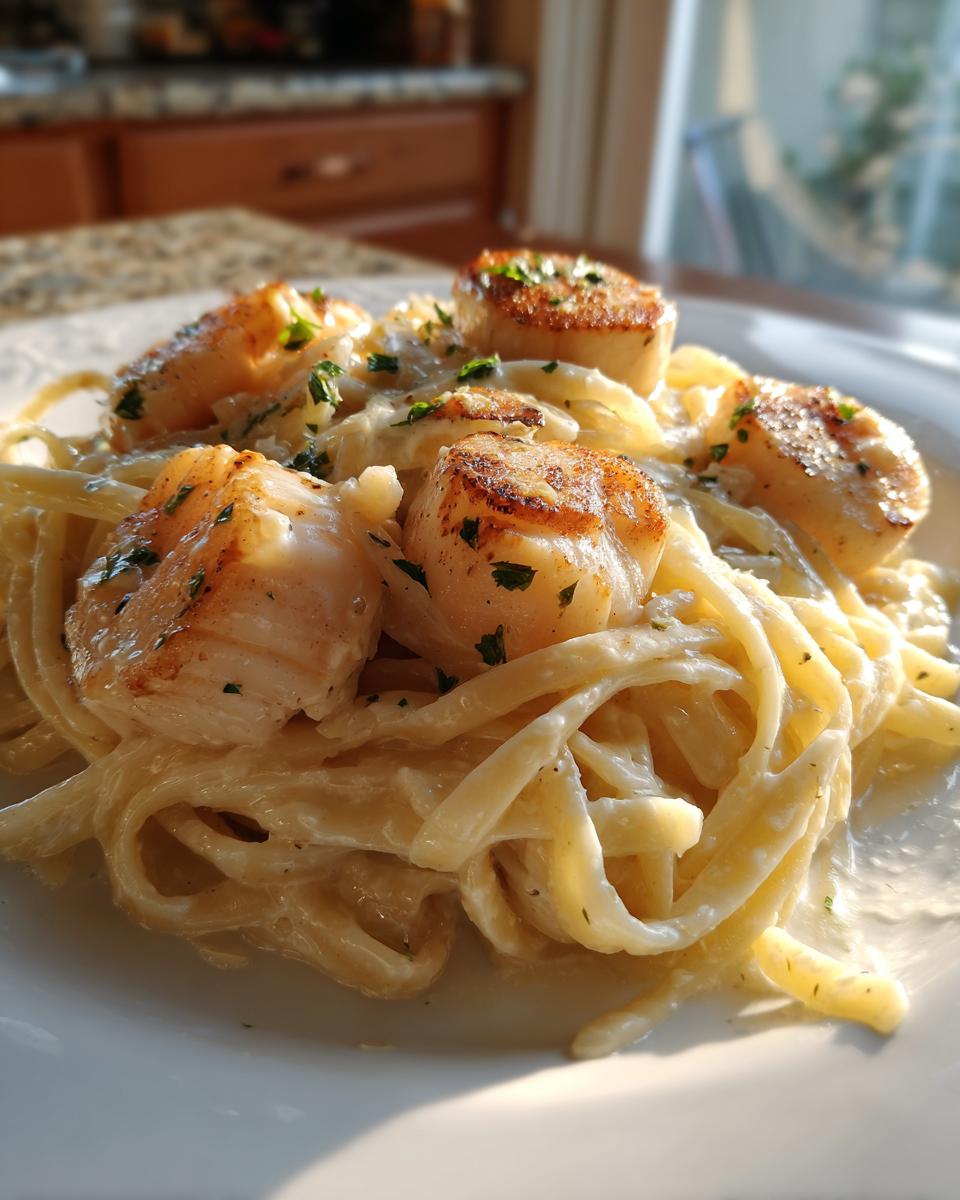
The secret sauce starts before the cream—it starts with the sear. You need to get good, hard color on your shrimp and scallops! That browning creates deep, nutty, savory flavor compounds. When we toss in the minced garlic and then deglaze that pan with the white wine? That wine lifts all those tasty little browned bits—that is pure, concentrated flavor we’re building into our white wine seafood linguine. Trust me, skipping that wine step leaves a huge hole in the flavor profile!
Making an Elegant Seafood Pasta Dish Low Effort
I know, I know, it sounds like a huge undertaking, but this is where technique meets reality. While it tastes incredibly elegant, this is honestly a quick seafood pasta dinner. We sear the seafood first, toss it aside, and then build the sauce in the same pan in about ten minutes flat. From chopping garlic to plating up, we’re looking at less than 40 minutes total. It’s the perfect option when you want a low effort seafood meal that tastes like you slaved all day over it. You can grab quick tips on plating this beauty over at easy restaurant-style spicy kani salad for visual inspiration!
Ingredients for Your Creamy Seafood Pasta
As I always say, for a recipe to be reliable—for it to truly deliver that restaurant quality—the ingredients list has to be crystal clear. No guessing allowed! When shopping for this seafood pasta, pay attention to the details, especially the quality of your wine and your seafood. You need to be precise with these beautiful components!
Here is exactly what you’ll need for four servings of this glorious dish:
- 1 pound linguine pasta (This is the best pasta shape for seafood sauce to cling to, in my opinion!)
- 1 pound raw shrimp, peeled and deveined
- 8 ounces sea scallops (Make sure they are dry-packed, not wet-packed, if you can find them!)
- 4 tablespoons unsalted butter
- 4 cloves garlic, minced (Freshly minced makes a huge difference here, trust me.)
- 1/2 cup dry white wine (Like Pinot Grigio or Sauvignon Blanc—something you’dactually pour a glass of.)
- 1 1/2 cups heavy cream
- 1/2 cup grated Parmesan cheese, plus more for serving
- 1/4 cup fresh parsley, chopped
- 1 tablespoon lemon juice
- 1/2 teaspoon salt
- 1/4 teaspoon black pepper
- 1 tablespoon olive oil
See? Simple, high-impact ingredients. That butter and olive oil combo in the beginning is critical for getting that perfect sear on your delicate seafood.
Essential Equipment for Perfect Seafood Pasta
Okay, gathering your tools is the first step toward taking command of the stovetop! Even the most perfect recipe can stumble if you’re fighting with the wrong equipment. For an elegant seafood pasta dish like this, we want wide surfaces for searing and proper heat control. Trust me, having the right pan makes the difference between beautifully caramelized scallops and sad, steamed ones.
You don’t need a commercial kitchen, but you do need these basics:
- A large, heavy-bottomed skillet (12-inch is great). This is crucial because we need it wide enough to sear the shrimp and scallops in a single layer without overcrowding them. Overcrowding equals steaming, and we want golden-brown crusts!
- A medium saucepan or stockpot for boiling your linguine. Make sure it’s big enough so the pasta has room to move around when it boils.
- Tongs. I seriously can’t cook without good tongs. They let you flip those delicate scallops and shrimp with precision.
- A good silicone spatula or wooden spoon for stirring the garlic and scraping up those flavorful brown bits when we deglaze with wine.
- A colander or strainer for draining the pasta—but don’t forget that measuring cup we discussed for saving the pasta water!
If you’re feeling ambitious and want to try building some next-level butter flavor into another dish soon, check out the techniques I use in my cowboy butter dipping sauce recipe; it really uses that heavy-bottomed pan to its full potential!
How to Make Seafood Pasta: Step-by-Step Instructions
Alright, let’s actually get down to business and transform these ingredients into that beautiful, creamy seafood pasta! My whole philosophy here is about efficiency—doing things in the right order so you aren’t waiting around. Follow these steps, and you’ll have that gorgeous sauce ready the moment your pasta is done. If you’re looking for ways to speed up creamy sauces in general, my tips on the quick creamy shrimp alfredo in 30 minutes really break down how to multitask effectively.
Preparing the Pasta and Seafood
First things first: get that linguine going in salted, boiling water. You want it to hit that perfect *al dente* stage—firm bite, not mushy. Remember my expert tip: grab a full cup of that starchy pasta water before you drain it! That is liquid gold for loosening thick sauces later. While that boils, you need to address the seafood. Pat your shrimp and scallops aggressively dry with paper towels. I mean, really dry them!
This is key for texture. Wet seafood steams, but dry seafood sears. Season them lightly with salt and pepper. Then, heat your olive oil and one tablespoon of butter over medium-high heat. I let the pan get nice and hot before dropping in the shrimp—about 1-2 minutes per side until they turn pink. Remove them! Then sear the scallops (again, quick, 1-2 minutes per side) until they get a lovely golden crust. Take them out and set them aside. Don’t worry if they aren’t cooked all the way through; they’ll finish gently later.
Building the Rich Seafood Sauce Recipe Base
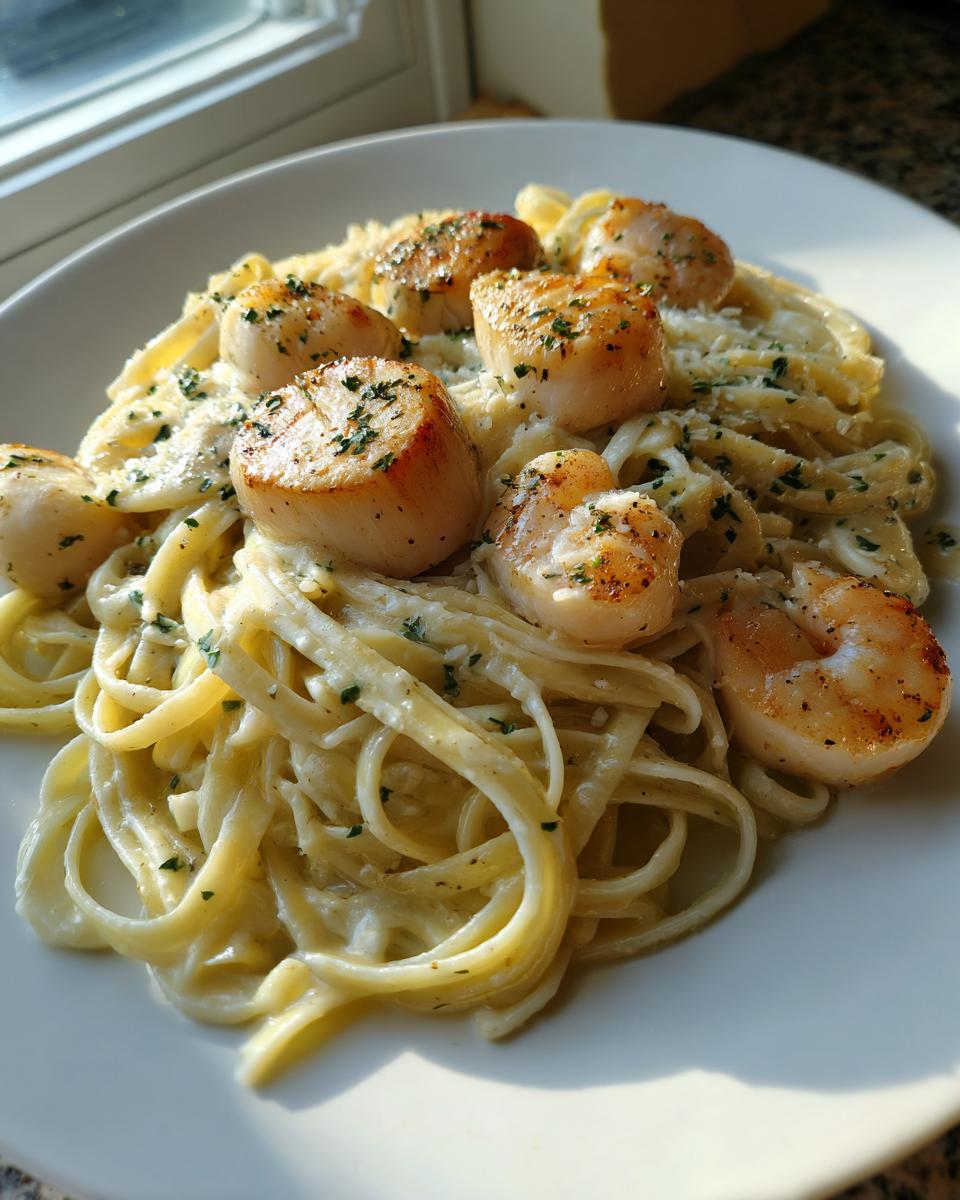
Now, knock that heat back down to medium. Add the remaining butter to the skillet. Toss in your minced garlic and sauté it for just about sixty seconds. You want it fragrant and sweet, not brown! If it browns, it gets bitter, and we can’t have that bitterness in our lovely rich seafood sauce recipe. Once it smells incredible, pour in that white wine. Let it bubble bravely until that wine reduces by half—this only takes 2-3 minutes—and be sure to scrape up every single little browned bit from the bottom of the pan. That’s flavor building!
Next, pour in the heavy cream. Let it come to a gentle simmer—you don’t want a rolling boil—and let it cook down and thicken just slightly for about three to four minutes. This gentle cook time ensures we don’t break the cream structure.
Combining and Finishing Your Seafood Pasta
Once the sauce is looking velvety, stir in that hard-earned Parmesan cheese until everything melds into a gorgeous stream—it should be smooth! Then, hit it with the lemon juice, salt, and pepper. Taste it now, because adjustments are easier here!
Take your cooked, drained linguine and toss it right into that skillet. Make sure every strand is coated. If it seems a little too tight, drip in a splash of that reserved pasta water until it flows perfectly. This is where you get your ideal sauce consistency. Finally, return your seared shrimp and scallops to the party. Toss them gently for just one minute—that’s all they need to reheat! You want to serve this beauty immediately, topped high with fresh parsley and extra cheese. You can see a similar flavor approach but in a different context over at Garlic Butter White Wine Seafood Pasta; it really highlights how important that wine reduction step is for building deep flavor!
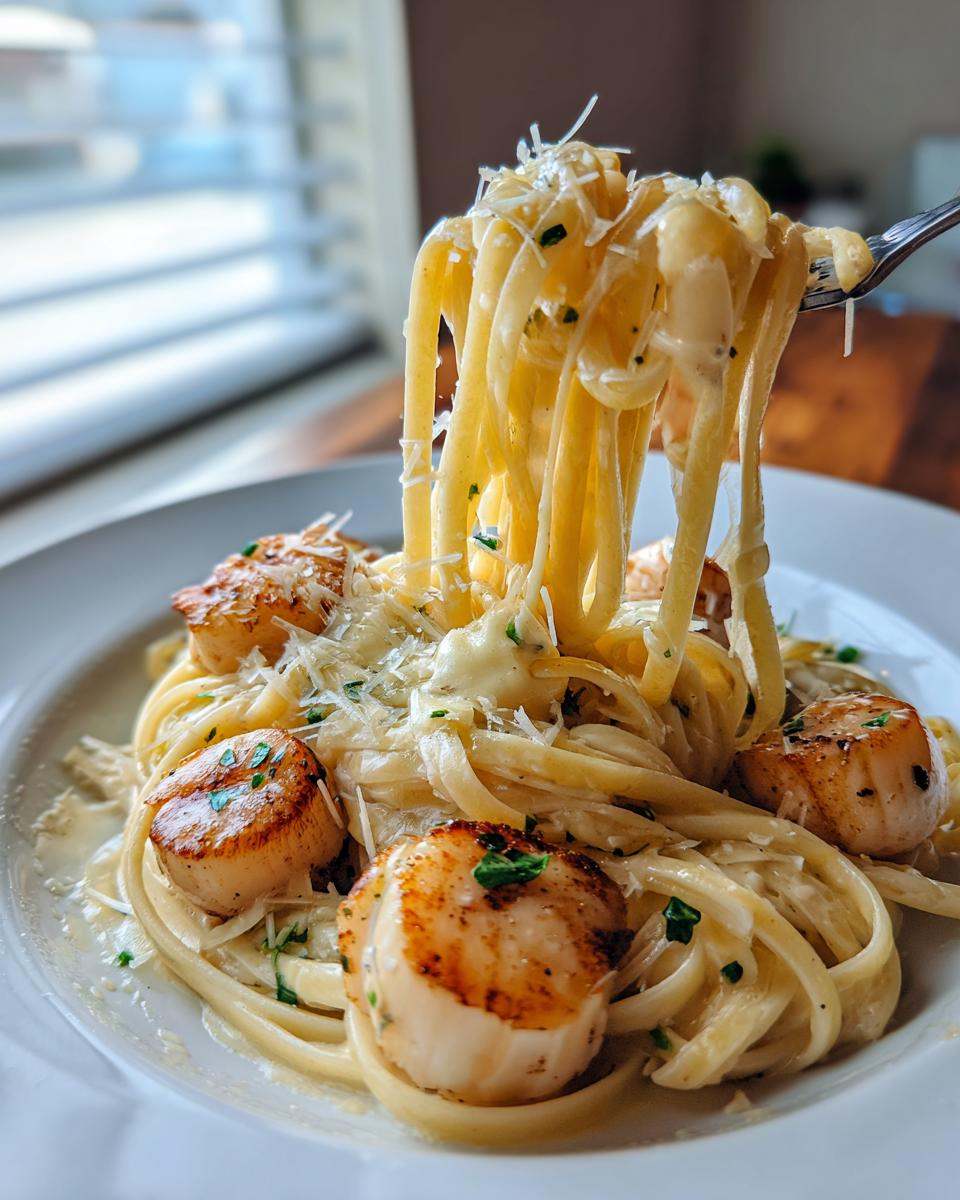
Tips for Success with Your Seafood Pasta
Even though this recipe is pretty straightforward, there are little hidden pitfalls that make the difference between a good seafood pasta and one that truly sings. I always tell people cooking is part science and part heart—and knowing these few extra tricks is where you gain that technical mastery over your meal.
The biggest mistake people make when tackling shrimp and scallops is applying heat for too long. Remember what we talked about? We sear them first, often removing them from the pan entirely. That’s because they cook incredibly fast. If you leave them in that simmering cream sauce for too long, they turn rubbery and tough. We want tender, sweet bites, not chew toys!
Ingredient Notes and Substitutions for Seafood Pasta
Let’s talk customizations because I know you might not always have scallops on hand, or maybe you need that little extra *oomph* for your sauce. The heavy cream is lovely, but if you want a real decadent, thick sauce—something approaching a true lover’s delight (maybe you prefer a Marry Me Shrimp Pasta variation feel?)—add 4 ounces of cream cheese along with your heavy cream in Step 7. It melts down beautifully and stabilizes that sauce like a dream.
Next up, spice! If you want to flirt with that spicy flavor profile people love in a Cajun seafood pasta ideas dish, don’t be shy about adding about 1/2 teaspoon of red pepper flakes when the garlic goes in. It wakes up the cream without overpowering the seafood.
Regarding the pasta itself, while I used linguine because its long, flat shape catches that rich garlic butter coating perfectly, any long noodle works well—fettuccine, spaghetti, or even bucatini. The general rule for a sauce this luxurious is to use a noodle that offers a good surface area; avoid tiny shapes like orzo here. And if you are using mixed seafood, like mussels and clams, make sure they are fully closed before adding them!
If you ever need a quick, flavorful dipping companion for soaking up any extra sauce you end up with—and trust me, there will be sauce—my easy 5-minute creamy garlic aioli recipe is phenomenal for dipping crusty bread into what’s left in your bowl!
Variations: Beyond the Classic Seafood Pasta
This creamy white wine sauce is truly fantastic—it’s bright from the wine and so rich from the cream—but I know my home cooks! You’re going to want to tweak this recipe to fit your mood, especially if you’re craving something with a little more kick or a different type of seafood.
We’ve laid the groundwork for a perfect seafood pasta, so let’s talk customizing! If you loved the idea of a little spice we mentioned earlier, you can easily pivot this into something that echoes those bold flavors found in a great Cajun Crab Pasta you see online. You don’t have to start from scratch!
The key to having fun with variations is knowing which parts of the sauce are non-negotiable. For us, the aromatics (garlic) and the liquid base (wine/cream) are the structure. Everything else is dressing!
Taking Inspiration from Date Night Favorites
If you’ve been scrolling Pinterest, you’ve definitely seen those gorgeous, slightly spicy, ultra-creamy shrimp dishes labeled as “Marry Me” pasta variations. We can take a hint from that style! If you want to lean into that rich, slightly sweet-and-spicy profile, keep the sauce base exactly the same (garlic, wine, cream, Parmesan). When you sauté the garlic, add a generous pinch of smoked paprika along with the red pepper flakes. That smoke adds incredible depth when paired with the shrimp.
For meatier flavor, check out how I developed the technique in my Marry Me Chicken Pasta recipe—the principle of building flavor in the pan before adding cream remains the same, whether you are using chicken or delicate scallops!
Quick Additions for Cajun Seafood Pasta Ideas
To turn this into something closer to the Cajun seafood pasta ideas that are so popular right now, we are going to focus completely on spice and maybe swapping the seafood. Keep steps 1 through 6 exactly as written—don’t skip that wine reduction!
When you get to the cream (Step 7), here is where you introduce the Cajun swagger. I suggest adding:
- 1 teaspoon of your favorite Cajun or Creole seasoning blend right into the simmering cream.
- Make sure you add those red pepper flakes earlier, when the garlic goes in, for better infusion.
- For extra texture, if you are swapping out the scallops for crab meat (like in some of the popular recipes), add the crab meat in the final minute just to warm it through.
You’ll get a sauce that has the acidity and brightness of the white wine but with that wonderful, earthy, spicy punch of Cajun seasoning. It’s a marvelous hybrid!
Using Mussels and Clams for a Traditional Touch
If you’re feeling more traditional coastal Italy than modern American fusion, swapping in mussels and/or clams is an absolute winner. Since mussels and clams release their own liquid when they steam open, you need to adjust the cream slightly. When sautéing your garlic (before the wine), push the aromatics to one side of the pan, add your cleaned mussels or clams, and cover them quickly with a lid until they pop open.
Once they are open, remove the seafood and proceed with the white wine reduction as normal. Now, when you go to add your heavy cream, use about a half-cup less than the recipe calls for. Those shellfish leave behind salty, flavorful broth, and we want that to become part of our sauce, not just drown the pasta!
Serving Suggestions for This Elegant Seafood Pasta Dish
We’ve done the hard work creating this intensely flavorful, restaurant-quality indulgence. Now, we need to make sure the side dishes complement it without fighting that rich garlic and wine sauce! Since the pasta itself carries so much weight—it’s decadent, savory, and luxurious—we want our accompaniments to offer brightness, texture, and a little bit of cleansing contrast.
This stunning dish deserves a proper presentation, especially if you made it for a special occasion or a romantic date night dinner! We need acidity to cut through all that creamy goodness.
Balancing Richness with Crisp Textures
The first and most important thing you need on the table is something unbelievably crisp and acidic. That feeling when you alternate a bite of the rich, creamy linguine with a forkful of bright, vinegary salad? That’s how you keep eating this dish happily until the bowl is clean!
I absolutely love pairing this with a simple green salad dressed in a sharp lemon vinaigrette. Think crunchy romaine, maybe some thinly sliced shallots, and definitely some toasted nuts for texture. My recipe for the easy crunchy cabbage salad vinaigrette works perfectly here because the vinegar really slaps the palate awake after the heavy cream coats your tongue. It’s the perfect reset button between bites.
The Necessity of Crusty Bread
If you don’t serve bread with a sauce this good, frankly, you’re wasting an opportunity! You absolutely must have some excellent, crusty bread on hand. We aren’t talking about soft dinner rolls here; we need structure! Grab a fresh baguette or a rustic Italian loaf that has a lovely, thick, chewy crust.
Why? For dipping, of course! You want to use that bread to sop up every single last drop of that amazing sauce left pooled in your bowl. If you’re feeling extra Italian-American, feel free to lightly toast slices of the bread and smear a little garlic butter on top before serving—just a hint of garlic, since our main course is already swimming in it!
Choosing the Right Wine Pairing
Since we made the sauce with a dry white like Pinot Grigio, serving that same wine alongside the meal makes perfect sense. It ties the whole experience together! That crisp acidity balances the dairy and brightens the flavor of the scallops and shrimp wonderfully. If you used a drier wine like Sauvignon Blanc, stick in that same flavor family. If you happen to use a slightly fuller-bodied Chardonnay in the sauce, make sure your serving wine mirrors that richness, but keep it dry beneath the surface!
Honestly, just serving this dish with a beautiful presentation—a little extra parsley sprinkled on top, maybe a lemon wedge on the side—is enough to make it feel like a special occasion, no matter what day of the week it is.
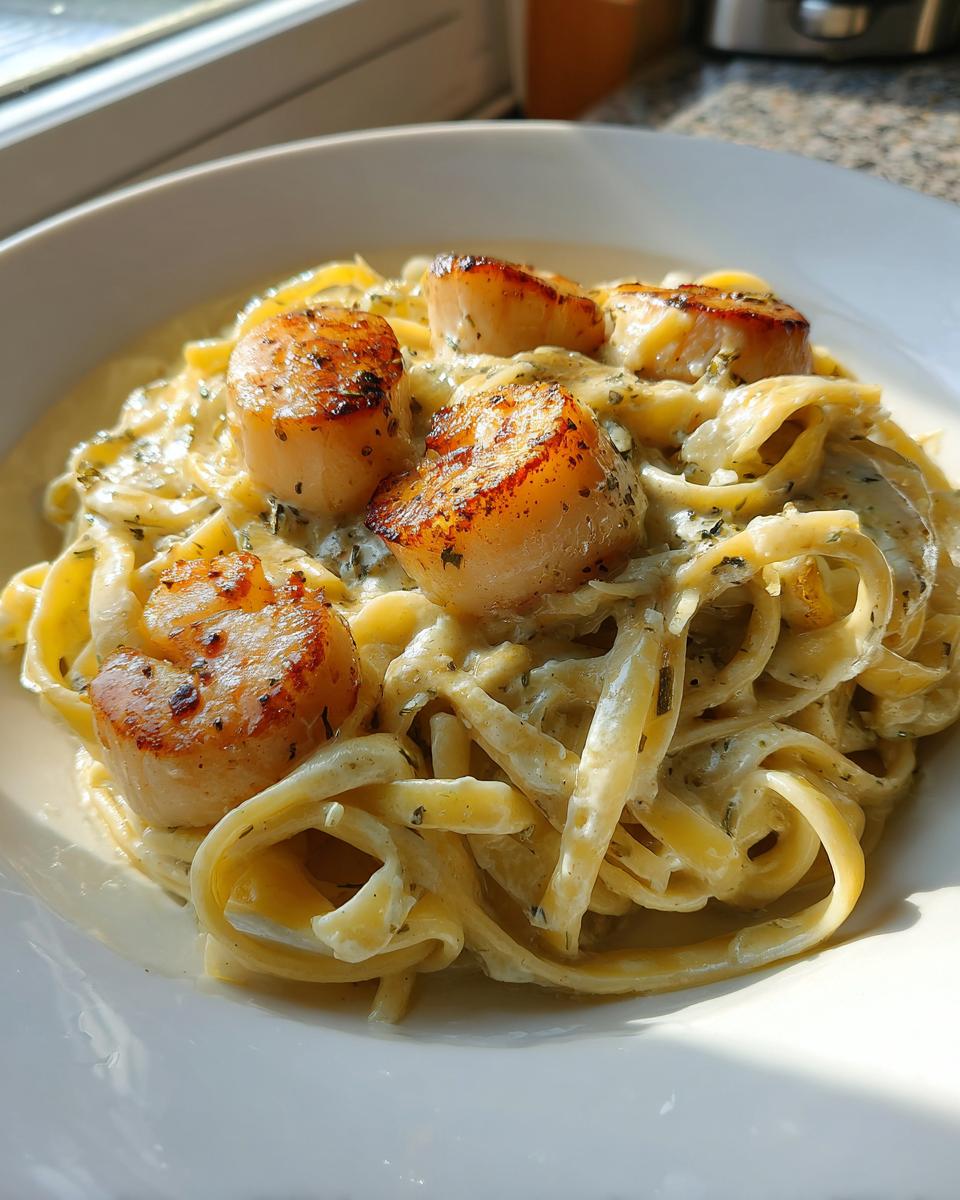
Storage and Reheating Instructions for Leftover Seafood Pasta
Oh, leftovers! The beautiful gift you give your future self. Having this rich, beautiful seafood pasta sitting in the fridge ready for lunch the next day is the height of culinary satisfaction. But because we are working with delicate seafood—shrimp and scallops especially—we have to be a little careful about how we store and revive it so it doesn’t lose its fantastic texture.
The main goal is to protect the seafood from becoming rubbery and to keep the sauce from separating or gumming up. When I make a big batch, I always try to treat the pasta and the sauce a little differently to ensure the best possible result when reheating.
If you’re interested in other ways to save rich seafood dishes for later, I cover some great tips over in my notes on making seafood lasagna, which shares similar challenges with reheating creamy sauces properly!
Here’s the foolproof way to handle your precious remainder:
- Separate Everything: This is critical. If you stored the pasta and sauce all mixed together, that starch from the linguine will continue soaking up the liquid in the fridge, making it one giant clump by morning. Ideally, store any leftover sauce separately from the pasta itself. If you can’t separate them, loosen the mixture significantly before chilling by adding an extra splash of water or milk to the sauce right before you refrigerate it.
- Airtight Container is Key: Place the pasta and the sauce (if separated) into airtight containers. This keeps everything fresh and prevents the sauce from absorbing any weird fridge odors. This dish is best eaten within two days, although frankly, it rarely lasts that long in my house!
- Reheating Gently: When it’s time to eat, do not, I repeat, DO NOT blast this in the microwave on high heat! That intense heat will immediately toughen those shrimp and scallops. Instead, use low heat on the stovetop in a small saucepan. Add a splash of fresh cream or even some milk to thin the sauce back out to luscious texture.
- The Seafood Rule: When reheating leftovers, use the absolute lowest heat setting you have, and only warm it until the seafood is just heated through—maybe 3 to 4 minutes total. As soon as you feel the container get warm, take it off the heat. Overheating seafood, even cooked seafood, is the fastest way to ruin the luxurious flavor we worked so hard to achieve in this seafood pasta dish.
If you follow these steps, your leftovers will taste almost as good as the first time you made it!
Frequently Asked Questions About Seafood Pasta
I totally get it—when you find a recipe you love, you immediately start thinking about how many ways you can adapt it or if it fits into your busy life. Cooking should enhance your life, not complicate it, so let’s run through some common questions I get about this creamy white wine linguine!
Can I make this seafood pasta without tomatoes?
Yes, absolutely! That’s one of the best things about this specific seafood pasta without tomatoes recipe. We build our flavor entirely from the fond on the bottom of the pan, the garlic, the wine reduction, and the cream. If you’ve been searching everywhere for a truly rich, elegant, seafood pasta that skips the acidity of tomatoes, you’ve found it right here! We rely on lemon and white wine for brightness instead of anything tomato-based.
What is the quickest way to make seafood pasta dinner?
If you are aiming for the fastest quick seafood pasta dinner possible, you can simplify the seafood cooking just a touch. While searing fresh scallops is worth the time, you can drastically cut down your prep if you buy pre-cooked, peeled, and deveined shrimp. If you use pre-cooked shrimp, you skip steps 3 and 4 entirely, adding them in during the final step (Step 10) just long enough to warm them through. This makes it an incredible low effort seafood meal, easily ready in under 25 minutes!
How do I store this creamy seafood pasta for meal prep?
This is where we need to be smart for successful seafood pasta meal prep. Because the sauce is dairy-heavy and the seafood is delicate, you cannot just microwave a big bowl of leftovers without getting rubbery results. The best strategy for this rich dish is to store the cooked, drained linguine pasta and the creamy sauce (with the seafood mixed in) in two separate containers. When you reheat, place the sauce/seafood mixture over very low heat on the stove, add a splash of water or milk, and let it warm slowly. Then, toss in the pasta and heat just until everything is warm. Never boil it! For more general tips on preserving meals, check out my guide on easy tuna kimbap; the storage logic for delicate fillings is similar.
If you are curious about other rich, flavorful pasta dishes people search for, take a look at the advice provided by thishealthytable; they also have great perspectives on enjoying pasta dishes without tomatoes!
Your Next Culinary Creation
Well, that is it! You have officially taken command of a truly glorious dish. You started with humble butter, cream, and a few pieces of beautiful seafood, and now you have a plate of Restaurant-Quality Creamy Garlic White Wine Seafood Linguine. Doesn’t that feel amazing?
Making a homemade meal that rivals what you pay top dollar for at a great Italian place is the ultimate kitchen victory. I hope you had as much fun crafting this rich sauce as I did perfecting the method for you.
Now, my favorite part: hearing from you! Did you make this for a quiet weeknight when you needed a lift, or did this elegant seafood pasta dish truly impress on date night?
Please, take a minute to rate this recipe below and let me know what you thought of the balance between the wine’s brightness and the cream’s richness. If you made any swaps—maybe you added that cream cheese for extra richness, or perhaps you tried the Cajun variation—tell me all about it in the comments! I always read every single one.
- Did you nail that perfect sear on the scallops?
- Was the sauce texture exactly how you dreamed it would be?
- Did your family devour every bit of this best seafood pasta recipe?
Your success is my command, so don’t hesitate to reach out if you have any lingering questions that weren’t covered!
If you want to send me a note directly with feedback or ask a specific question about technique, you can always reach me through my contact page. Happy cooking, and enjoy that incredible plate of creamy, glorious seafood!
PrintRestaurant-Quality Creamy Garlic White Wine Seafood Linguine
Create an elegant, rich seafood pasta dish at home featuring shrimp and scallops in a creamy white wine garlic sauce. This recipe delivers restaurant-style flavor with simple steps.
- Prep Time: 15 min
- Cook Time: 20 min
- Total Time: 35 min
- Yield: 4 servings 1x
- Category: Dinner
- Method: Stovetop
- Cuisine: Italian-American
- Diet: Vegetarian
Ingredients
- 1 pound linguine pasta
- 1 pound raw shrimp, peeled and deveined
- 8 ounces sea scallops
- 4 tablespoons unsalted butter
- 4 cloves garlic, minced
- 1/2 cup dry white wine (like Pinot Grigio)
- 1 1/2 cups heavy cream
- 1/2 cup grated Parmesan cheese, plus more for serving
- 1/4 cup fresh parsley, chopped
- 1 tablespoon lemon juice
- 1/2 teaspoon salt
- 1/4 teaspoon black pepper
- 1 tablespoon olive oil
Instructions
- Cook the linguine according to package directions until al dente. Reserve 1 cup of the pasta water before draining. Set the pasta aside.
- Pat the shrimp and scallops dry with paper towels. Season lightly with salt and pepper.
- Heat the olive oil and 1 tablespoon of butter in a large skillet over medium-high heat. Add the shrimp and sear for 1-2 minutes per side until pink. Remove the shrimp and set aside.
- Add the scallops to the same skillet. Sear for 1-2 minutes per side until golden brown. Remove the scallops and set aside with the shrimp.
- Reduce the heat to medium. Add the remaining 3 tablespoons of butter to the skillet. Add the minced garlic and cook for about 1 minute until fragrant. Do not let the garlic brown.
- Pour in the white wine. Let it simmer and reduce by half, scraping up any browned bits from the bottom of the pan. This takes about 2-3 minutes.
- Pour in the heavy cream. Bring the sauce to a gentle simmer. Cook for 3-4 minutes until the sauce slightly thickens.
- Stir in the Parmesan cheese until the sauce is smooth. Add the lemon juice, salt, and pepper. Taste and adjust seasoning.
- Add the cooked linguine to the skillet. Toss to coat the pasta thoroughly in the sauce. If the sauce is too thick, add the reserved pasta water, a splash at a time, until you reach your desired consistency.
- Return the shrimp and scallops to the skillet. Toss gently for 1 minute to reheat the seafood.
- Serve immediately. Top each serving with fresh chopped parsley and extra grated Parmesan cheese.
Notes
- For a richer sauce, substitute half of the heavy cream with cream cheese.
- If you prefer a slight kick, add 1/2 teaspoon of red pepper flakes when sautéing the garlic.
- You can substitute the shrimp and scallops with crab meat or mussels for variation.
Nutrition
- Serving Size: 1 serving
- Calories: 750
- Sugar: 5
- Sodium: 550
- Fat: 40
- Saturated Fat: 22
- Unsaturated Fat: 18
- Trans Fat: 0
- Carbohydrates: 65
- Fiber: 3
- Protein: 40
- Cholesterol: 350