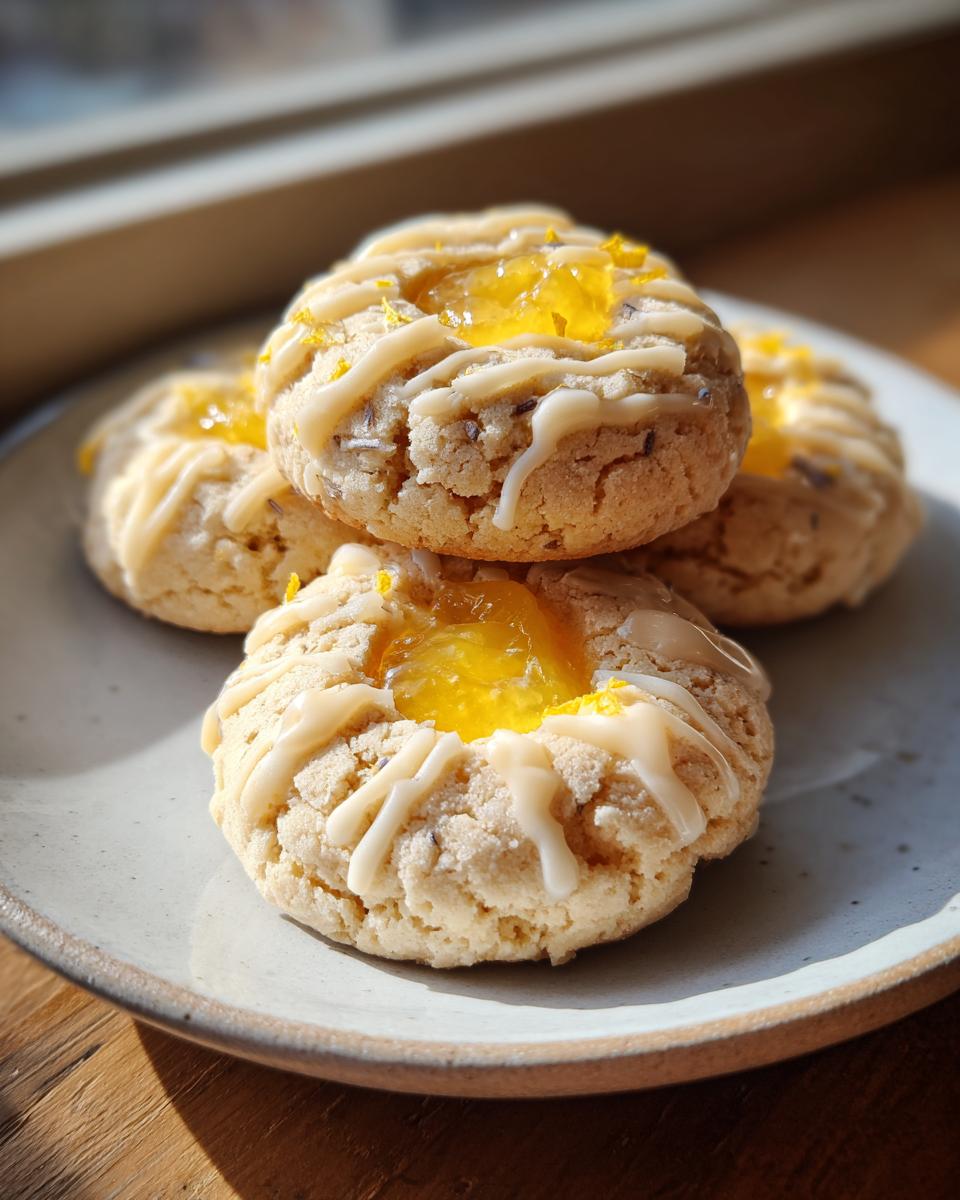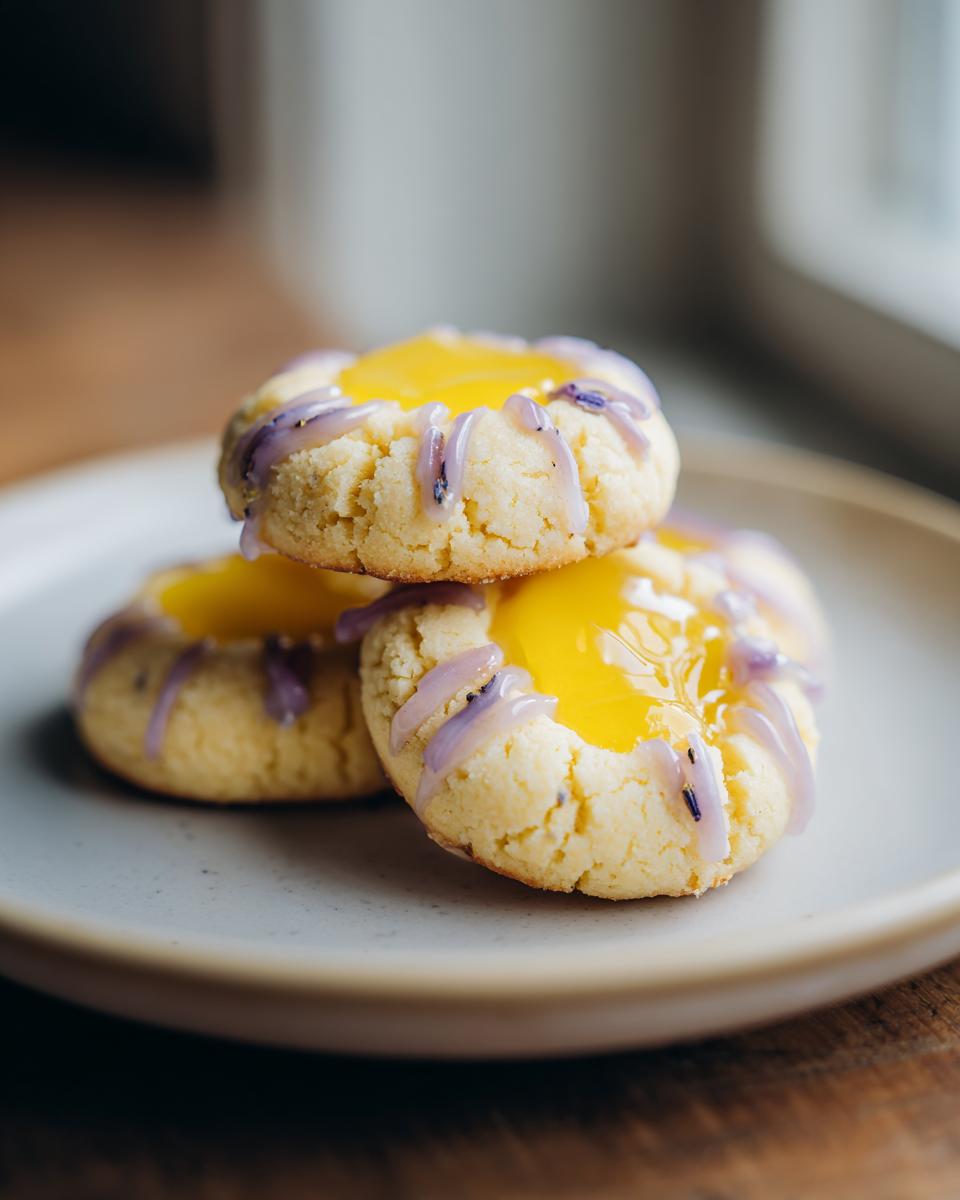

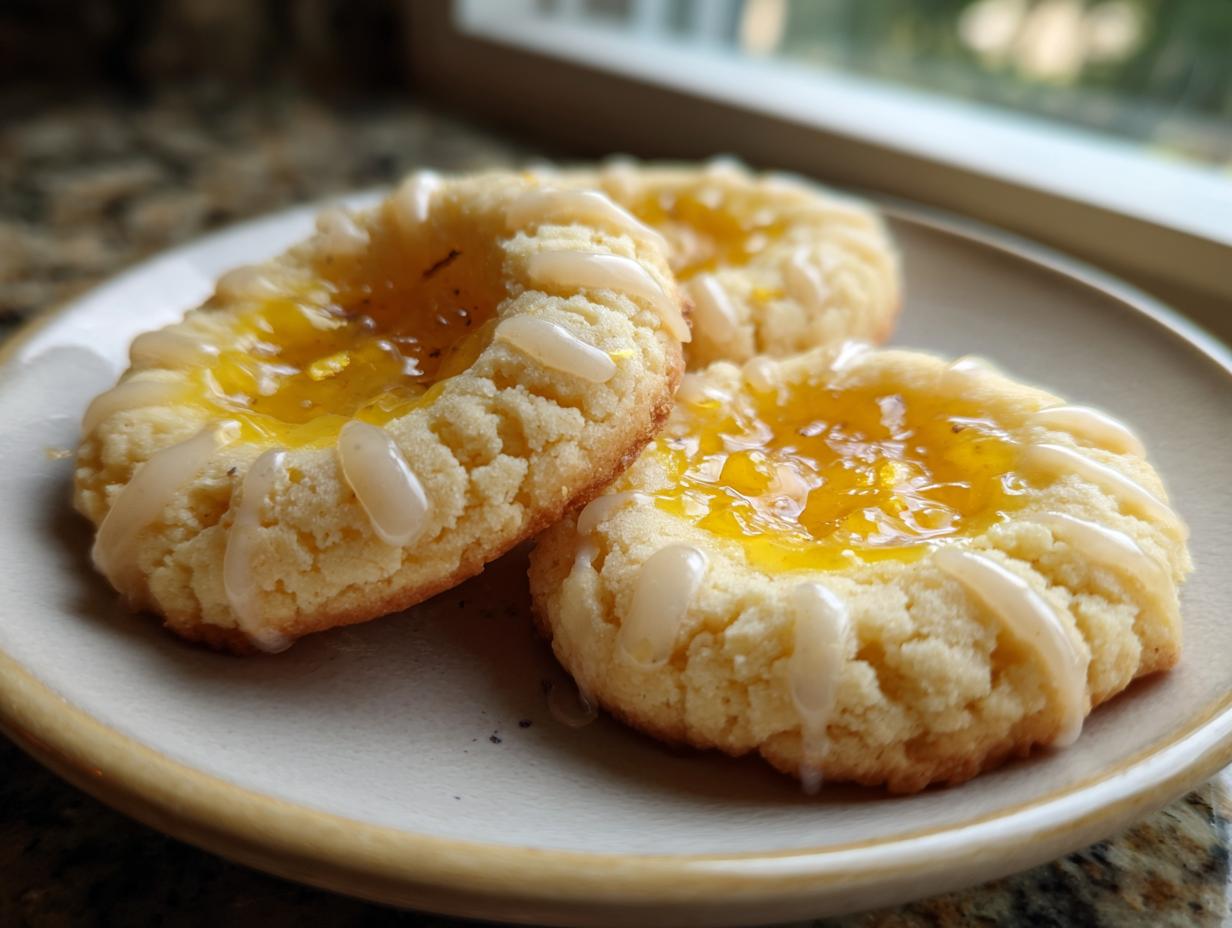
Sometimes, you just need a cookie that whispers elegance instead of shouting sweetness, right? That’s exactly what led me down the path to creating these beautiful lemon lavender thumbprint cookies. It took a little trial and error—blending the bright tang of citrus with the subtle, calming floral note of lavender is a delicate dance, something I spent months perfecting here in the test kitchen. Trust me when I say this isn’t your standard, overly sweet bake; these are gourmet shortbread cookies that offer that melt-in-your-mouth tenderness we all crave. If you love the texture of bakery-style shortbread, you absolutely have to try this recipe—it’s a classic technique perfected for a new flavor pairing. We borrow some structural integrity from classic butter cookies to make sure these hold up perfectly. The result is a treat that feels incredibly special.
- Why You Will Love These Lemon Lavender Thumbprint Cookies
- Essential Ingredients for Gourmet Lemon Lavender Thumbprint Cookies
- Step-by-Step Instructions for Perfectly Textured Lemon Lavender Thumbprint Cookies
- Tips for Success Making Lemon Lavender Thumbprint Cookies
- Ingredient Notes and Substitutions for Citrus Infused Dessert
- Storage and Serving Suggestions for Lemon Lavender Thumbprint Cookies
- Frequently Asked Questions About Floral Baking Recipes
- Estimated Nutritional Data
- Share Your Cookery Command Creations
Why You Will Love These Lemon Lavender Thumbprint Cookies
Honestly, I think these cookies are going to become your new favorite when you want something that feels fancy without being fussy. They hit all the right notes. They are truly those elegant afternoon tea cookies you see in magazines!
- The flavor profile is sophisticated: that bright, zesty lemon hits you first, followed by that calming, aromatic hint of lavender. It’s a perfect marriage!
- Texture perfection! These are wonderfully delicate butter cookies that give you that satisfying shortbread crumble right when you bite in. They aren’t cakey at all.
- They bake up beautifully into stunning citrus infused dessert bites that truly stand out on a platter of unique cookie assortment treats.
- They are visually stunning, especially when the little thumbprint is filled—it just screams ‘special occasion’ or ‘just because I feel like making something beautiful today.’
- As a lighter option, they feel like one of the best bright spring desserts you can bake when you want something fresh, not heavy.
- They are surprisingly sturdy, meaning they travel well, which is a huge bonus if you plan on giving them away as gourmet gift cookie ideas.
Trust me, once you smell the lemon zest meeting that lavender in the dough, you’ll know we’ve created something truly special here. They are simply wonderful.

Essential Ingredients for Gourmet Lemon Lavender Thumbprint Cookies
Now for the fun part—gathering our treasures! When you’re making something as delicate as these lemon lavender thumbprint cookies, the quality of your ingredients really does make all the difference. Think of this as setting the stage for success. We need great, high-quality components to pull off that perfect shortbread texture and the subtle flavor pairing.
I’ve grouped everything based on where it fits into the cookie, so you can pull things from the pantry as you need them. Remember, since lavender is potent, sourcing good stuff is important. If you’re curious about using herbs that taste amazing, I have a whole guide on edible lavender recipes!
For the Delicate Butter Cookie Dough
The base of this cookie needs to be rich, tender, and flavorful enough to stand up to the filling. Make sure your butter is truly softened—not melted! That’s rule number one for these delicate butter cookies.
- 1 cup (2 sticks) unsalted butter, softened
- 1/2 cup granulated sugar
- 1 large egg yolk (this adds richness without adding too much liquid)
- 1 teaspoon vanilla extract
- 2 teaspoons fresh lemon zest (Please, please use fresh zest! That bright oil is required.)
- 1 tablespoon fresh lemon juice
- 1 1/2 cups all-purpose flour
- 1/4 teaspoon salt
- 1 teaspoon dried culinary lavender buds, finely crushed (See below on how to crush these perfectly!)
For the Filling and Honey-Lemon Glaze
We need something that won’t weep out into the cookie while it bakes, so thicker fillings are our friends here. And for the glaze, we want that final little zing!
- 1/4 cup lemon curd or thick lemon jam (for filling—the firmer, the better!)
- For the Glaze: 1 cup powdered sugar
- 2 tablespoons fresh lemon juice (for the glaze)
- 1 teaspoon honey (This adds such a lovely roundness to the glaze that plain sugar misses!)
Remember that lavender note? To get that soft, aromatic texture instead of crunchy bits, you’ll want to take those 1 teaspoon of buds and put them in a sturdy plastic baggie. Then, gently tap them with the flat side of a heavy knife or use a rolling pin to lightly crush them down. You want small pieces, not powder. Take your time with this step; it’s so worth the effort!
Step-by-Step Instructions for Perfectly Textured Lemon Lavender Thumbprint Cookies
Okay, deep breath! This is where we turn those gorgeous ingredients into the star of the show. Making perfectly textured thumbprint cookies comes down to a few non-negotiable steps, especially the chilling time. Don’t rush it! I promise, the waiting is the hardest part, but it guarantees these delicate shortbreads won’t spread into sad little puddles.
Mixing the Dough and Incorporating Flavor
We start just like any good shortbread: creaming the fats and sugar to whip in air. This is crucial; it’s what keeps the cookie tender, not rock hard.
- In a large bowl, get your softened butter and granulated sugar going. Use your mixer, medium speed, until the mixture is legitimately light and fluffy—think pale yellow and airy. This usually takes a good 3-4 minutes.
- Now, slow the mixer down! Gently beat in the egg yolk, vanilla extract, that amazing fresh lemon zest, and the lemon juice until it’s just coming together. Don’t let it run too long once the yolk is in.
- In a separate bowl? Whisk your flour, salt, and the finely crushed culinary lavender buds together really well. We need that lavender distributed evenly now, or some cookies will taste like perfume and others like plain shortbread!
- This next part is vital for texture: Gradually add the dry ingredients into the wet mixture. Mix this only on the lowest speed until you just see the last streaks of flour disappear. If you overmix here, you develop gluten, and suddenly you have a tough, chewy cookie instead of the delicate butter cookie we planned for! Stop when it forms a soft dough.
Chilling, Shaping, and Baking the Lemon Lavender Thumbprint Cookies
This is the secret weapon! Chilling controls the spread and locks in that pretty thumbprint shape for our lemon lavender thumbprint cookies. If you’re looking for more tips on maximizing that citrus zing in your baking, check out my post on lemon zest cookies!
- Wrap that perfect dough tightly in plastic wrap. I mean *tightly*. Then, stick it in the fridge for a minimum of 30 minutes. I try to aim for 45 minutes if I’m making other things while I wait.
- When the time’s up, preheat your oven to 350°F (175°C). Line those baking sheets with parchment paper; this definitely helps with cleanup, especially with buttery dough.
- Roll the chilled dough into neat 1-inch balls. Place them on the prepared sheets, leaving a couple of inches between them because they *will* spread just a tiny bit.
- Here comes the thumbprint making! Use your thumb—really press down—or the back of a small measuring spoon (I use a 1/2 teaspoon measure) to create a deep, even indentation in the center of each ball. If your dough cracks too much, let it sit on the counter for 5 minutes to soften up just a hair.
- Carefully place about 1/2 teaspoon of your thick lemon curd or jam right into that little well you made. Don’t overfill, or it’ll bubble over the edges during baking.
- Bake for 12 to 15 minutes. You are looking for the edges to just barely kiss golden brown, but honestly, the centers should stay quite pale. If they’re brown all over, they’re probably overbaked for that soft texture.
- Let the cookies cool on the baking sheet for about 5 full minutes—they are fragile right out of the oven! Then gently move them onto a wire rack to cool completely. Don’t even *think* about glazing them until they are totally, completely cooled down!
Preparing and Applying the Honey-Lemon Glaze
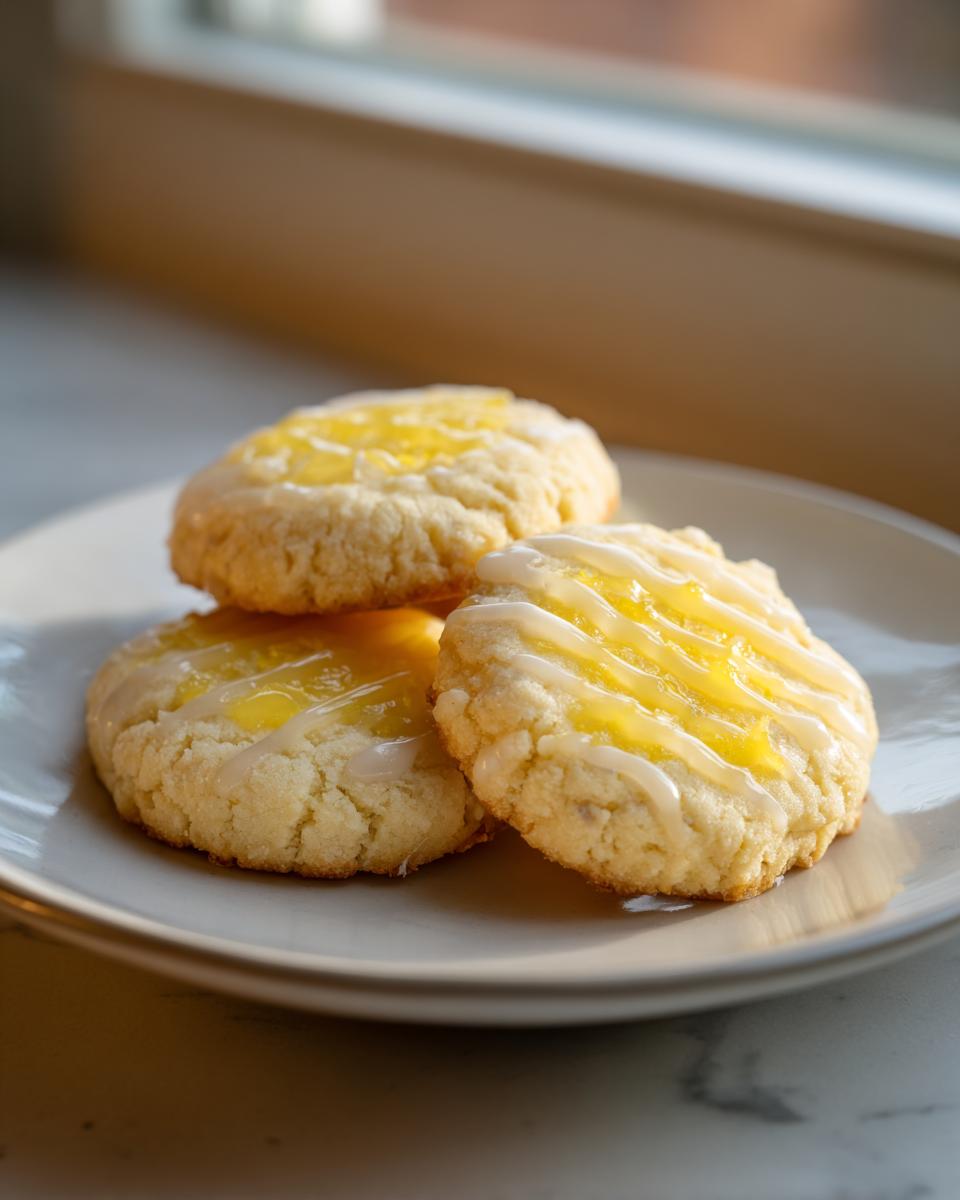
This final drizzle adds that extra pop of sweet-tart flavor we need to balance the floral lavender. It’s simple, but timing is everything here!
- Get a small bowl ready for the glaze. Whisk together the cup of powdered sugar, the 2 tablespoons of fresh lemon juice, and that teaspoon of honey.
- You are aiming for a thick-but-drizzle-able consistency. If it looks crazy thick, add a tiny splash more lemon juice (maybe 1/2 teaspoon at a time!). If it looks too thin and runny, just add a tablespoon of powdered sugar until it holds a nice trail when you lift your whisk.
- Wait until the cookies are completely off that cooling rack and are room temperature before glazing. Applying this to warm cookies makes the glaze melt right off.
- You can use a fork to drizzle the glaze haphazardly over the tops, or you can dip just the very top edge of the cookie into the glaze. Either way, place them back on the wire rack and let that glaze set up firm before you try to eat or store them. Patience, my friend! Enjoy the wait!
Tips for Success Making Lemon Lavender Thumbprint Cookies
I know flavor balancing can be scary when you start using florals in your baking, but honestly, with these lemon lavender thumbprint cookies, it’s all about respecting the ingredients. It’s the same idea I use when I’m experimenting with other baking with herbs and spices—you need restraint to let the star flavor shine through without it tasting like soap! If you want more guidance on mixing these profiles, you might enjoy my tips on baking with herbs and spices.
These tiny adjustments are what bridge the gap between a good cookie and one of those truly delicious, memorable shortbreads.
Controlling the Lavender Scent in Your Lemon Lavender Thumbprint Cookies
This is the number one concern I hear about these cookies: “How do I make it floral without making my guests think they are eating potpourri?” It’s completely valid!
First, you absolutely must use culinary grade lavender buds. Do not, I repeat, do *not* use that stuff you bought for sachets or home decor. It’s treated with oils that aren’t meant to be eaten, and that flavor is harsh.
If you are someone who is very sensitive to floral notes, use the steeping technique detailed in the recipe notes! Letting the buds sit in the lemon juice for ten minutes before mixing them in allows the essential oils to bloom beautifully. Then, straining that juice out means you get the soft, aromatic background note without any sharp, overwhelming flavor pieces. I find that method makes these the most elegant cookies possible.
Achieving the Ideal Cookie Consistency
We talked about this back in the mixing steps, but it bears repeating because it’s critical for these delicate butter cookies. You are specifically aiming for a shortbread texture—which means we want tenderness, not chewiness or crispness.
The chilling step is your best friend here. If the dough is too warm going into the oven, the high butter content means they will flatten out too much, and your beautiful thumbprint indentation will just become a thick, flat circle.
And please, when you add the flour mixture: just mix until combined! I recommend mixing by hand for the last few turns after the mixer brings the dough together. Overmixing activates too much gluten, which ruins that lovely, sandy crumble we are aiming for in the final product.
Ingredient Notes and Substitutions for Citrus Infused Dessert
I totally get it—sometimes you’re missing one thing, or you just prefer to use what you have on hand. Building trust in your home kitchen means knowing how to swap things out without ruining the whole batch, especially with a recipe as specific as these delicate shortbreads.
For this delicious citrus infused dessert, most substitutions are pretty straightforward, but a couple of ingredients are non-negotiable if you want that signature texture. Let’s look at the variables so you feel totally prepared!
Butter Choices
Real, unsalted butter is what I always use, and honestly, it gives the best flavor and structure for shortbread. If you absolutely must substitute, you can use salted butter, but you’ll need to omit the 1/4 teaspoon of salt listed in the dough ingredients. Don’t swap it for margarine or vegetable shortening, though!
Those substitutes change the water content and fat structure too much, and you risk having a cookie that spreads way too much in the oven, losing that beautiful thumbprint indentation completely. Stick to butter for this one—it’s worth the investment!
The Filling Dilemma: Curd vs. Jam
I listed lemon curd or a thick lemon jam, and the consistency choice here is essential for success.
- Lemon Curd is Best: If you use homemade or high-quality store-bought lemon curd, you get that incredibly silky, tart center. It’s the gold standard for presentation and taste in these cookies.
- Thick Jam Alternative: If you use jam, make sure it’s thick! If it’s thin or runny, it *will* melt out onto the baking sheet during the 15 minutes it’s in the oven. You can sometimes save a runny jam by stirring in half a teaspoon of cornstarch, but usually, curd is just safer!
Lavender: Dried vs. Fresh vs. Extract
When working with baking with herbs and spices, the form you use matters immensely. This recipe calls for dried culinary lavender buds, which have been specifically prepped for consumption.
- Dried Culinary Lavender Buds (Recommended): This is what we tested for. Crushing them releases the necessary oils.
- Fresh Lavender: Only use this if you know your source well and are sure it hasn’t been sprayed with pesticides. If using fresh, you’ll need significantly more—probably triple the amount by volume—and you’ll want to chop it very finely.
- Lavender Extract: Please avoid this entirely! Lavender extract is incredibly potent and artificial-tasting. It’s impossible to get the subtle floral note you want, and it usually ends up tasting perfumey and chemical. We want gentle baking aromas, not perfume, so skip the extract for this one!
When you use these tips, you’ll find that the foundational recipe works beautifully across different pantry situations. Every good baker needs flexibility, even when creating something as specific as these delicate shortbreads!
Storage and Serving Suggestions for Lemon Lavender Thumbprint Cookies
Once you’ve managed the balancing act of making these exquisite lemon lavender thumbprint cookies, you want to make sure they look and taste just as wonderful the next day! The beauty of a shortbread base is that it keeps really well, which makes these cookies fantastic for making ahead of time, especially if you’re planning on gifting them or serving them at a big gathering.
You’ve put in the effort to get that gourmet shortbread texture just right, so let’s make sure we protect that freshness. They are simply perfect candidates to add to any gourmet gift cookie ideas assortment you might be putting together for neighbors or friends.
Airtight Storage is Your Best Friend
The key to keeping these tender little treasures fresh is minimizing air exposure. Because they aren’t super soft or cakey, they handle storage really well, which is a huge plus for us busy bakers!
- Room Temperature is Best: Store your completely cooled lemon lavender thumbprint cookies in an airtight container at room temperature. I use a sturdy tin or a quality plastic container with a good seal.
- Layering Tip: If you need to stack cookies, place a small square of parchment paper or wax paper between the layers. This prevents the glaze on one cookie from accidentally sticking to the base of the cookie stacked above it. We worked too hard on that glaze to lose it!
- Do Not Refrigerate Dough or Cookies: I know it seems counterintuitive, but chilling the dough is necessary, but storing the finished cookies in the fridge is a no-go. The cold air tends to dry out the butter-heavy shortbread base and can make the glaze feel dull.
- Freshness Window: These cookies are best enjoyed within 3 to 4 days, but honestly, they usually disappear before then! They hold up their flavor profile—that bright citrus and soft floral note—very well during that initial period.
Serving Tips for Maximum Delight
When you pull these out for guests, a little presentation goes a long way to showcase how special these are among your unique cookie assortment treats.
They are absolutely divine served alongside a strong cup of black or green tea. The warmth of the tea contrasts so nicely with the cool, bright flavor of the cookie.
If you happen to make them a day or two ahead, you might notice the glaze softening just slightly and soaking into the very top layer of the cookie—this is a good thing! It makes the whole thing taste even more integrated.
As for reheating? Don’t! These delicate butter cookies are meant to be served at room temperature. Trying to warm them up usually just brings out the butteriness too much and softens the filling unexpectedly. Just take the container out of the pantry about 20 minutes before serving if it’s been in a cooler spot, and they’ll be perfect!
Frequently Asked Questions About Floral Baking Recipes
I always get questions whenever I introduce a new floral element into a classic cookie! It’s a little intimidating at first, but once you realize how easy it is to manage that flavor, you’ll want to try these techniques in all your floral baking recipes. Here are the most common things folks ask when they first try making these lemon lavender thumbprint cookies.
Can I use dried lemon zest instead of fresh lemon zest?
Oh, honey, I really wouldn’t recommend it for this recipe. Think about how potent fresh lemon zest is when you grate it—that burst of essential oil right into the air? That’s the flavor we are trying to lock into the dough.
Dried zest is fine if you’re dusting something or making a large batch of dry spice rub, but it loses nearly all of its brightness during the drying process. You’d need way too much dried zest to match the impact of just two teaspoons of fresh zest, and you’d end up with a gritty texture in your otherwise delicate butter cookies. Stick to the fresh yellow part of the peel only, please!
Can these cookies be made ahead of time for a gathering?
Yes, absolutely! In fact, I think they are slightly better on day two, once the *slight* lavender aroma has really had a chance to mingle with the lemon and the butter in the shortbread base. They are excellent candidates for making ahead of time.
If you are making them days in advance, follow the storage instructions (airtight container at room temperature), and wait to add the glaze until about 6 to 8 hours before you plan on serving them. The glaze holds up beautifully, but if you glaze them too early, it can sometimes soften the cookie texture slightly more than I prefer.
What is the best jam or filling to use if I don’t have lemon curd?
That’s a great question! Lemon curd is my top choice because it offers that creamy texture and intense tartness, but sometimes you just don’t have it in the fridge. If you’re avoiding curd, look for a very thick lemon jam. If you only have thinner jam, here’s a trick that might save you!
- Take about 1/3 cup of your thinner jam and put it in a small saucepan over very low heat.
- Stir in just 1/2 teaspoon of cornstarch mixed with a teaspoon of water (a slurry).
- Warm it gently, stirring constantly, until it bubbles lightly and thickens up enough to coat the back of a spoon.
- Let it cool completely before filling the thumbprints. This simple fix will prevent your filling from running all over the pan!
You could also use raspberry jam, which is traditionally lovely with lavender, but you’ll miss some of that bright citrus punch that makes this particular recipe so special for our bright spring desserts lineup.
Why did my cookie dough crack when I made the indentation?
Cracking usually means one of two things, and both relate to temperature control when making these gourmet shortbread cookies. I’ve seen this happen plenty of times!
First, the dough might have been too cold when you tried to press the thumbprint. If you pull the dough straight from the fridge and try to press it, it snaps rather than yields. In this case, just take the tray of dough balls out and let them sit on the counter for 5–10 minutes to warm up just slightly before you start pressing. You want it pliable, not mushy!
Second, if you had too much flour in the dough, it will naturally be drier and more prone to cracking. Make sure you are leveling your flour in the measuring cup rather than scooping it directly out of the bag, which packs too much in!
If you want to explore more wonderful combinations that use floral elements like this, be sure to check out my full guide on floral baking recipes for more home kitchen inspiration!
Estimated Nutritional Data
Because we are making something truly from scratch here, using real butter, fresh zest, and actual honey in the glaze, the nutritional profile is going to look different than a simple box mix cookie. I always like to share this data, but please remember these are estimates based on the standard ingredient amounts listed in the recipe. Your actual numbers might vary slightly based on the exact brands of butter or the amount of glaze you decide to drizzle on top!
We aim for something rich but portioned perfectly, which is why we focus on that delicate butter cookie base.
- Serving Size: 1 cookie (This recipe yields about 24 cookies)
- Calories: 145
- Total Fat: 9g
- Saturated Fat: 5g
- Carbohydrates: 15g
- Sugar: 14g (Whew! That includes the natural sugars from the lemon and the added sugar from the glaze, so they taste wonderfully sweet!)
- Protein: 2g
- Cholesterol: 30mg
As you can see, these are definitely a treat—enjoy them guilt-free with your afternoon tea! But remember, because they are homemade with quality ingredients, they don’t contain the artificial preservatives found in store-bought unique cookie assortment treats, so they are meant to be enjoyed fresh!
Share Your Cookery Command Creations
I hope I’ve inspired you to pull out that food processor or grab your box grater and get busy making these!
Honestly, nothing makes me happier than hearing that one of my recipes—especially one as unique as these lemon lavender thumbprint cookies—has found a permanent spot in your personal recipe rotation. I put my heart into making sure the balance of bright lemon versus soft floral lavender is just right, but I know everyone’s taste buds are slightly different!
So, once you’ve had a chance to bake them and let them cool (and then promptly try to hide one from everyone else… I do it all the time!), please come back here and let me know what you think.
Rate the Recipe
If you loved the buttery shortbread, that tangy glaze, or maybe you found a new favorite flavor combination, please give the recipe a rating below! Those stars really help other home cooks find reliable, delicious recipes like these wonderful dessert recipes.
Tell Me About Your Flavor Balance
What was your experience with the lavender? Did you find it was a subtle whisper, or did you lean in and make it a little stronger? I’d especially love hearing comments about how they were received at your next tea party or holiday gathering. Did the flavor surprise your guests?
Show Me Your Thumbprints!
And finally, if you snapped a picture of your perfectly glazed treats, please share it! Tagging Cookery Command on social media lets me see your beautiful creations in action. It’s so encouraging to see this recipe baking up successfully in kitchens all across the country. Happy baking, friends!
PrintLemon Lavender Thumbprint Cookies with Honey-Lemon Glaze

Create delicate, gourmet shortbread cookies that balance bright lemon zest with subtle floral lavender, finished with a sweet, tangy honey-lemon glaze. This recipe delivers perfectly textured thumbprint cookies ideal for tea parties or holiday assortments.
- Prep Time: 25 min
- Cook Time: 15 min
- Total Time: 40 min
- Yield: 24 cookies 1x
- Category: Dessert
- Method: Baking
- Cuisine: American
- Diet: Vegetarian
Ingredients
Scale- 1 cup (2 sticks) unsalted butter, softened
- 1/2 cup granulated sugar
- 1 large egg yolk
- 1 teaspoon vanilla extract
- 2 teaspoons fresh lemon zest
- 1 tablespoon fresh lemon juice
- 1 1/2 cups all-purpose flour
- 1/4 teaspoon salt
- 1 teaspoon dried culinary lavender buds, finely crushed
- 1/4 cup lemon curd or thick lemon jam (for filling)
- For the Glaze: 1 cup powdered sugar
- 2 tablespoons fresh lemon juice
- 1 teaspoon honey
Instructions
- In a large bowl, cream the softened butter and granulated sugar together until light and fluffy.
- Beat in the egg yolk, vanilla extract, lemon zest, and lemon juice until just combined.
- In a separate bowl, whisk together the flour, salt, and crushed culinary lavender buds.
- Gradually add the dry ingredients to the wet ingredients, mixing on low speed until a soft dough forms. Do not overmix.
- Wrap the dough in plastic wrap and chill in the refrigerator for at least 30 minutes. This step helps achieve perfectly textured thumbprint cookies.
- Preheat your oven to 350°F (175°C). Line baking sheets with parchment paper.
- Roll the chilled dough into 1-inch balls. Place them on the prepared baking sheets, leaving space between them.
- Use your thumb or the back of a small measuring spoon to press a deep indentation into the center of each dough ball.
- Fill each indentation with about 1/2 teaspoon of lemon curd or jam.
- Bake for 12 to 15 minutes, or until the edges are lightly golden brown. The centers should remain pale.
- Let the cookies cool on the baking sheet for 5 minutes before transferring them to a wire rack to cool completely.
- While the cookies cool, prepare the glaze: Whisk together the powdered sugar, 2 tablespoons of lemon juice, and honey until smooth. Add more lemon juice, 1/2 teaspoon at a time, if the glaze is too thick.
- Once the cookies are completely cool, drizzle or dip the tops lightly with the honey-lemon glaze. Let the glaze set before serving.
Notes
- To properly crush the lavender buds, place them in a small zip-top bag and use a rolling pin to gently crush them into smaller pieces; this releases the aroma without leaving large, sharp pieces in the cookie.
- For a more intense floral scent, steep the lavender buds in the lemon juice for 10 minutes before adding the juice to the wet ingredients, then strain the juice.
- If you prefer a softer cookie, reduce the baking time by one minute.
Nutrition
- Serving Size: 1 cookie
- Calories: 145
- Sugar: 14
- Sodium: 45
- Fat: 9
- Saturated Fat: 5
- Unsaturated Fat: 4
- Trans Fat: 0
- Carbohydrates: 15
- Fiber: 0
- Protein: 2
- Cholesterol: 30