

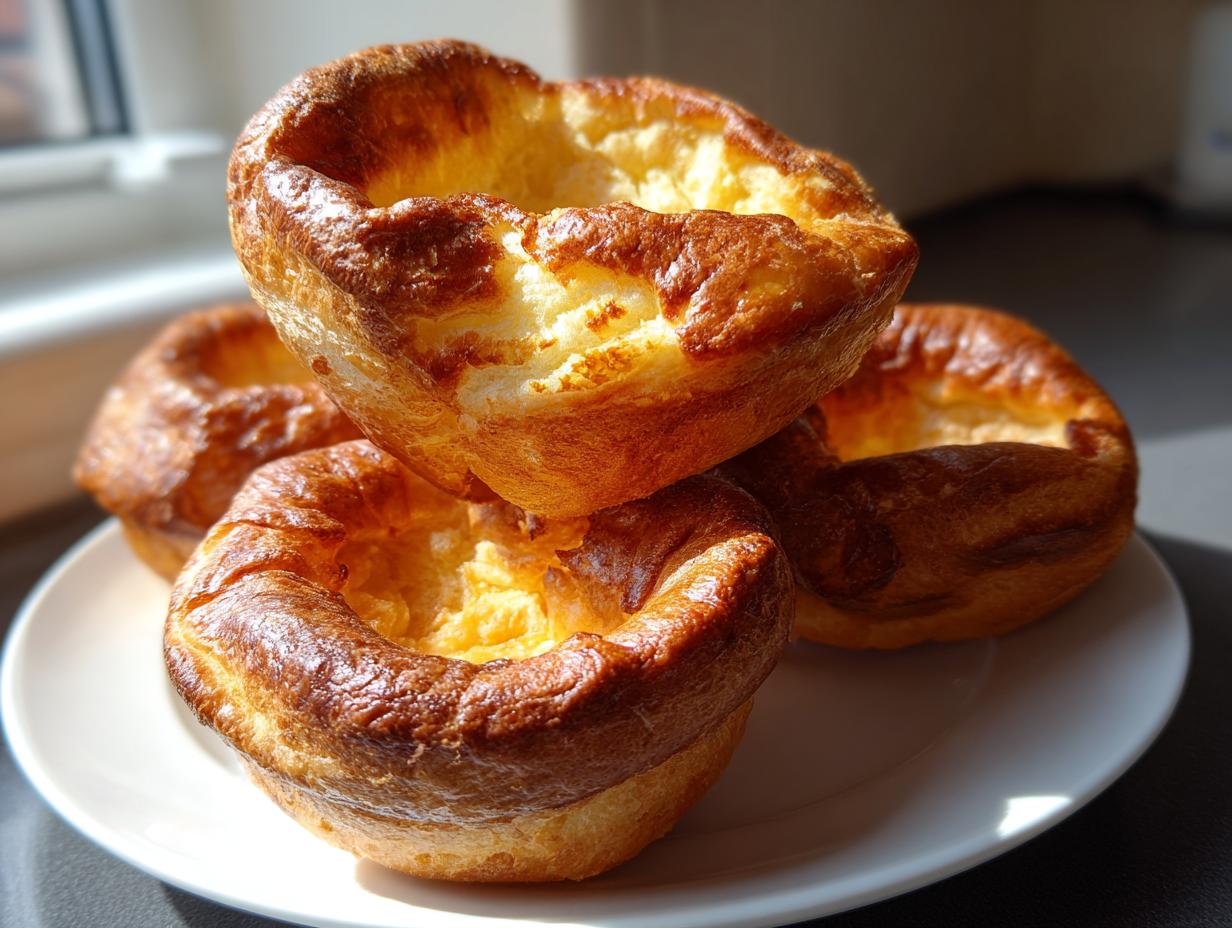
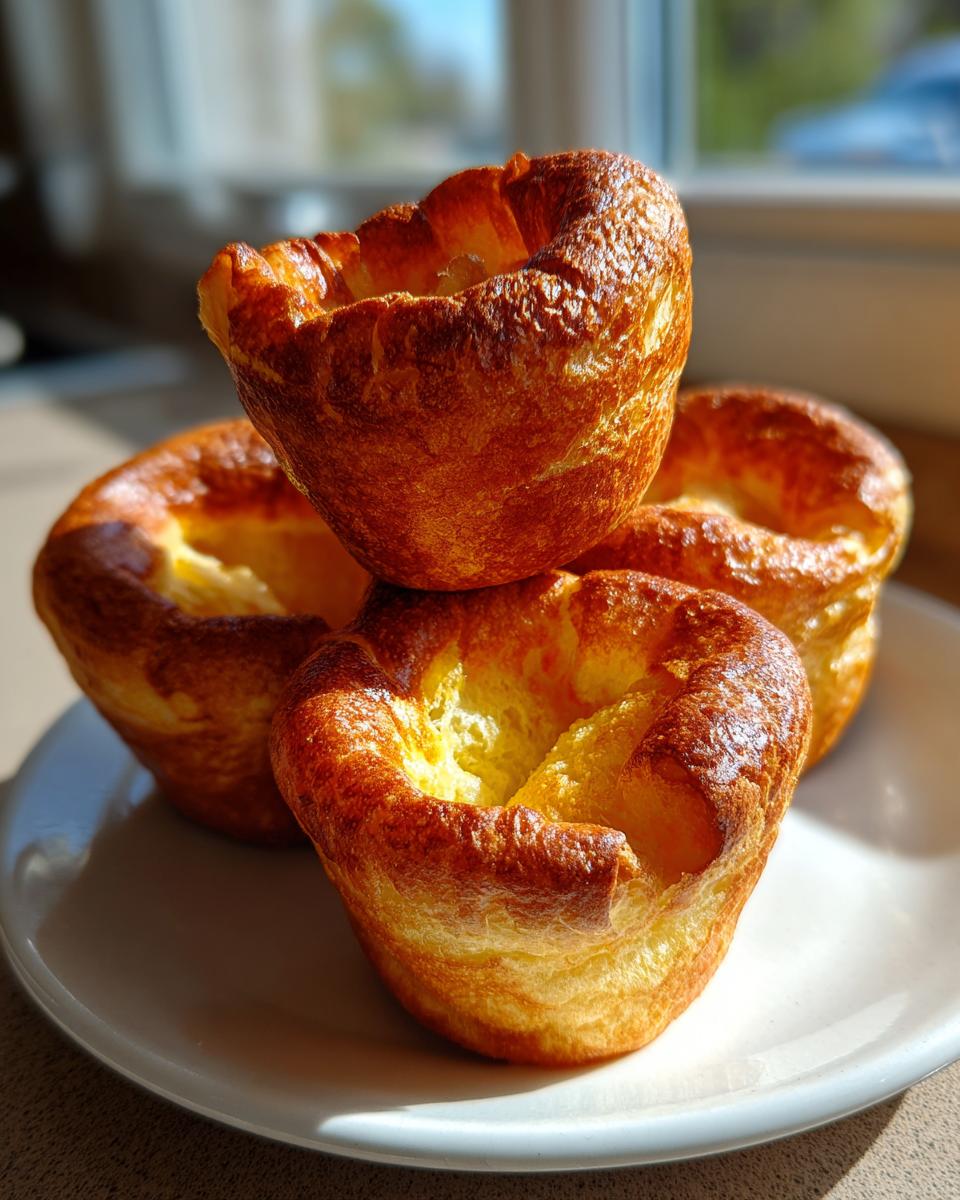
Oh, the flat, sad pancake tragedy! We’ve all been there, right? You follow the steps, you think you’re ready for that glorious Sunday roast, and BAM—instead of towering, puffy clouds, you get sad, greasy discs. It’s honestly the most frustrating part of British cooking, but trust me, we’re fixing that right now. I’m sharing my Foolproof Yorkshire Puddings recipe that guarantees those tall, crispy outside, fluffy inside results every single time. These are the ultimate British comfort food staples! My background, blending generational tradition with professional test kitchen technique, means you get reliability in every single batch. Pair these with my recipe for the ultimate crispy roast potatoes for the perfect dinner!
- Why This Foolproof Yorkshire Puddings Recipe Guarantees a Rise
- Ingredients for Perfect Yorkshire Puddings
- How to Make Foolproof Yorkshire Puddings: Step-by-Step
- Tips for Achieving the Tallest Yorkshire Puddings
- Serving Suggestions for Your Homemade Yorkies
- Storage and Reheating Instructions for Yorkshire Pudding
- Frequently Asked Questions About Yorkshire Pudding
- Nutritional Estimates for This Easy Yorkshire Pudding Recipe
- Share Your Success with These Yorkshire Puddings
- Nutritional Estimates for This Easy Yorkshire Pudding Recipe
- Share Your Success with These Yorkshire Puddings
Why This Foolproof Yorkshire Puddings Recipe Guarantees a Rise
I spent ages trying to figure out what big chefs like Gordon Ramsay and Jamie Oliver were doing differently because, honestly, my early attempts at Yorkshire pudding were just embarrassing. Flat, sad, and dense—they were tiny little pancakes, not the majestic towers we deserve!
The trick isn’t in adding some fancy ingredient; it’s pure physics, my friends. My training in the test kitchen taught me that success hinges on two non-negotiable techniques. When you respect the science here, you stop fighting the batter, and that’s when your puffs start rising like they have their own little engines!
The Critical Role of Resting the Yorkshire Pudding Batter
If you skip resting, you might as well stop right there. When you mix flour, liquid, and eggs, the starch in the flour gets thirsty. If you rush it, that starch hasn’t fully hydrated, and it can’t create the strong, elastic web needed to trap all that steam. You absolutely need to let that batter chill out!
I find 30 minutes on the counter is the absolute minimum time required, but if you can let it sit for an hour or even two, you’ll be rewarded with a much better structure. It transforms the texture from slightly rubbery to smooth custard.
The Hot Fat Technique for Tall Yorkshire Puddings
This is where the magic—or the failure—happens. You need a huge temperature shock to make your dough puff instantly. That means your fat in the muffin tin has to be sizzling hot, practically smoking, before the room-temperature batter even touches it.
We’re talking oven set high and the oil blazing. When that cold batter hits that extreme heat, the water content vaporizes so fast it forces the structure upward. This step is the single biggest secret to achieving truly tall Yorkshire puddings that are crispy on the outside!
If you’re into experimenting with different bases, check out my recipe for easy beer cheese—sometimes a little change in the liquid makes all the difference!
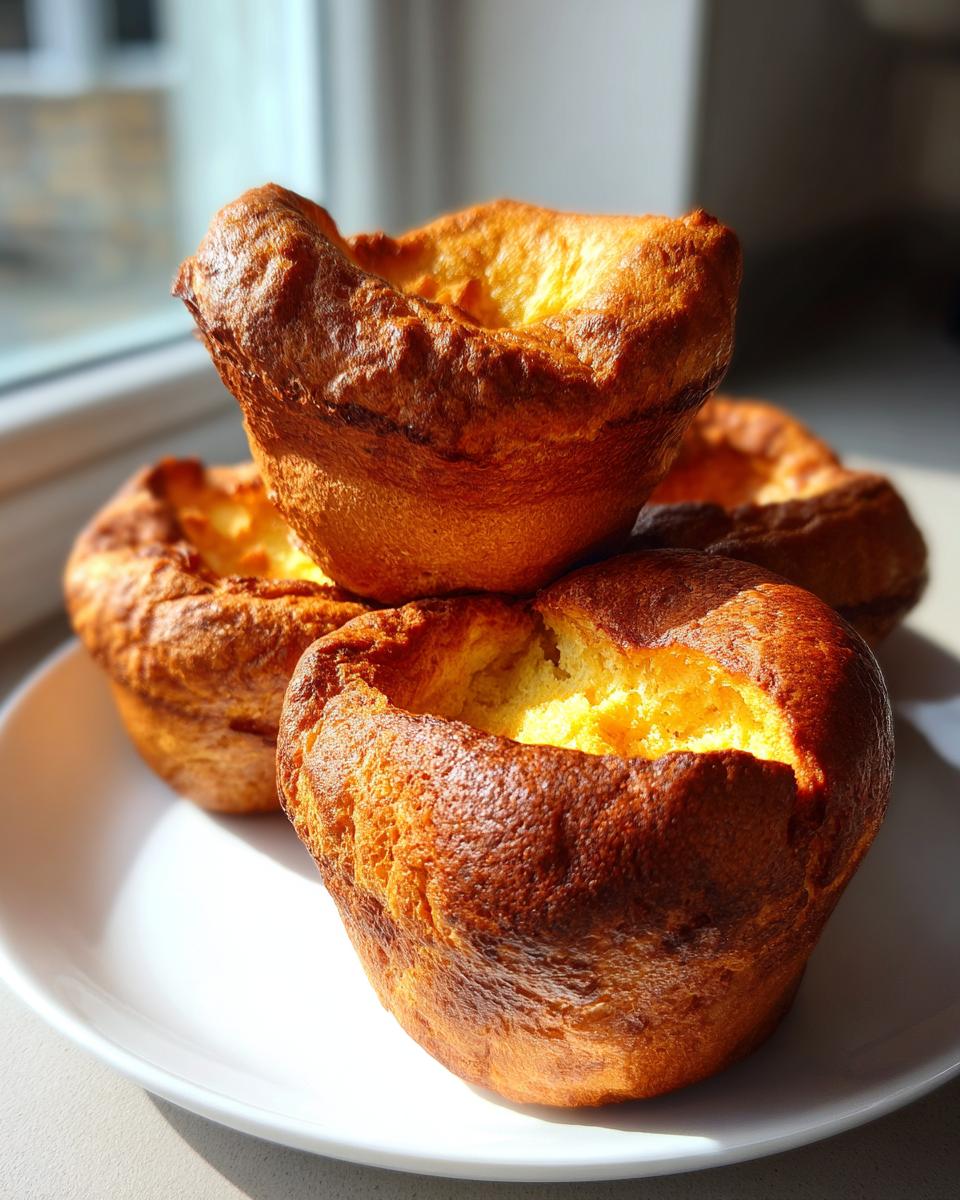
Ingredients for Perfect Yorkshire Puddings
Okay, let’s talk about what you actually need to assemble this batter. The beauty of this classic is that it uses staple pantry items. You probably have most of this stuff sitting around already! Remember, precision matters here; these aren’t the time for vague eyeball measurements, especially since we are aiming for that incredible lift.
- 1 cup all-purpose flour
- 1 cup whole milk
- 2 large eggs
- 1/2 teaspoon salt
- 1/4 cup beef drippings or vegetable oil (this is for heating, not mixing!)
Grab your ingredients and let’s get ready to swap in a few things to make this truly dependable!
Ingredient Notes and Substitutions for Yorkshire Pudding Batter
While the list looks simple, the details make these puddings sing. When it comes to the fat you use for the hot oil, please, please try to use proper beef drippings if you’ve roasted beef recently. That beef fat has a higher smoke point and it gives the puddings that deep, savory flavor that just screams Sunday dinner. If you don’t have drippings, a neutral oil like vegetable or canola will work just fine for heat, but you lose a little bit of that authentic taste.
Now, about the milk—this is where I learned to step up my game. If you use ice-cold milk right out of the fridge, it messes with the temperature shock when it meets the hot fat, which can stop your beautiful batter from puffing up right away. I always make sure my milk is at least room temperature, maybe even slightly warm, before I whisk it into the eggs and flour. Getting that temperature right is just as important as the resting time if you want the best Yorkshire pudding rise!
How to Make Foolproof Yorkshire Puddings: Step-by-Step
I know the instructions can sometimes look a little intimidating, but stick with me here. This is actually a three-part process: mix, rest, and blast them with heat. Getting the mixing right is easy, but you MUST honor the resting and the heat! If you follow the recipe directions exactly, you’ll feel like a pastry chef!
Mixing the Yorkshire Pudding Batter Correctly
First things first, you want to combine your dry bits—the flour and salt—in a good big bowl. Now, whisk those eggs right into the flour until it’s more or less just stiffened up. Don’t worry if you see a few tiny lumps; actually, I encourage it! If you mix this batter until it’s perfectly silky smooth, you’re probably overworking the gluten, and that means tough puddings.
Once the eggs are incorporated, slowly pour in your room-temperature milk while you whisk gently. Keep going until it looks thin, like heavy cream. That’s it! Cover that bowl up tightly. Seriously, move it to the counter and forget about it for at least 30 minutes. That rest is your ticket to success.
The Critical Baking Phase for Crispy Yorkshire Puddings
This is where we apply the high science! While the batter is resting, crank your oven up to 450°F (230°C). You need it screaming hot. Put your muffin tin in while it heats up. Once the oven signals it’s ready, you have to work fast—don’t let the heat escape!
Carefully pull out the scorching hot tin and immediately drop about a teaspoon of your smoking-hot fat into each cup. Then, pour that rested batter in quickly, filling them just two-thirds full. Pop them back in right away! For the next 20 minutes, I beg you, do not peek. If you open that door, all that hard work collapses! You’re looking for puddings that are deeply golden brown and look impossibly tall. That’s how you know you’ve made perfect Yorkshire puddings.
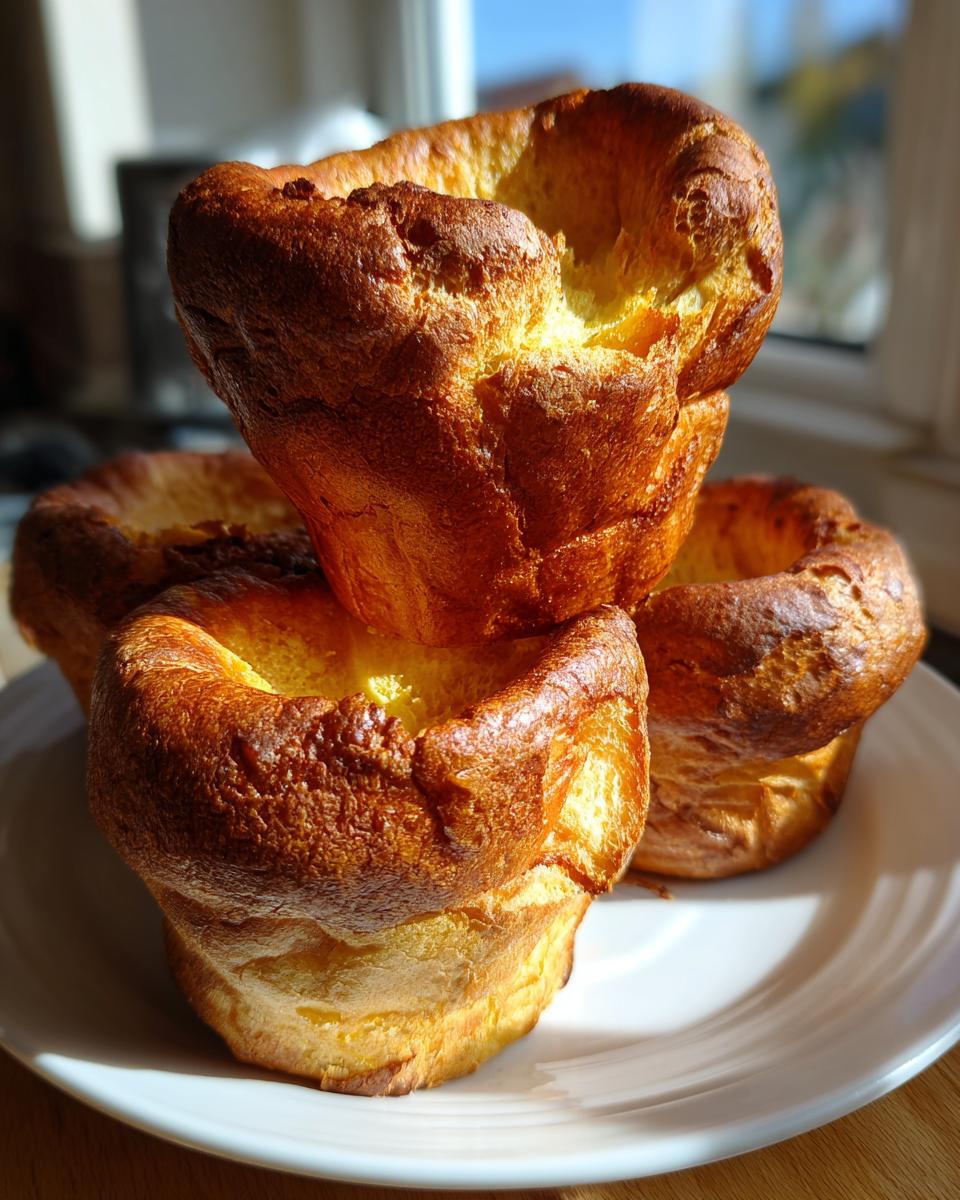
Once they look set and gorgeous, go ahead and serve them immediately, maybe drizzled with a quick peppercorn sauce if you aren’t using them for a roast!
Tips for Achieving the Tallest Yorkshire Puddings
I’ve figured out a few little things over the years that help guarantee that magnificent rise. This isn’t just luck; it’s about respecting the temperature of every single element. My mom always stressed that if the batter hits the fat too cold, you’ve lost half the battle before you even shut the oven door.
The number one pro tip, besides resting the batter, is ensuring your eggs and milk are at room temperature when you mix them. Cold ingredients equal a slow start when hitting that scorching tin, and slow starts mean flat puddings. You need that instant steam explosion!
Also, don’t overfill the cups! If you try to cram too much batter in, they can’t expand properly, so keep it to half or maybe two-thirds max for fantastic, tall Yorkshire puddings. If you want to practice your piping skills without the panic, try out the technique for my easy fluffy homemade marshmallows!
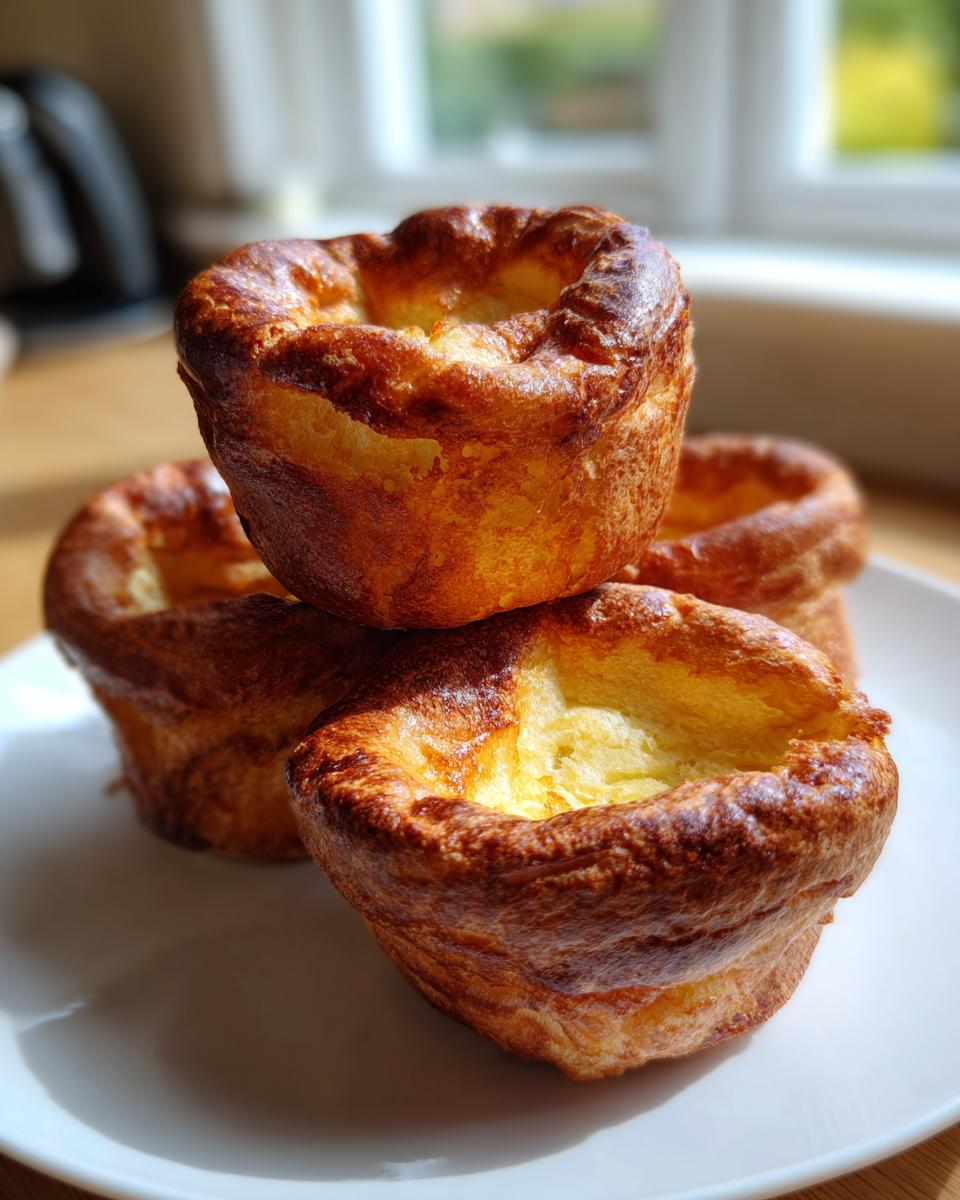
Serving Suggestions for Your Homemade Yorkies
Honestly, what is a roast dinner without a beautiful, crispy-edged puff on the side? Nothing, that’s what! These homemade Yorkies are the undisputed king of British roast dinner sides, but don’t let tradition limit you. They are incredibly versatile if you just think about what that airy, slightly eggy center does best: soak up delicious sauce!
Of course, the absolute classic pairing is a hearty roast, most traditionally roast beef, drowning in thick, rich gravy. You need that structure to hold all that savory goodness. I always make sure there’s extra gravy on the table specifically for dipping our freshly baked ones.
But since they aren’t overly seasoned, you can get creative! They work just as well alongside roasted chicken or even lamb. If you’re looking for the perfect rich companion sauce, you have to check out my recipe for peppercorn sauce; it’s incredible poured right over the top of a freshly baked Yorkshire when you skip the roast.
They are fantastic when served with simple mashed potatoes and vegetables too. Think of them as savory, edible bowls waiting to be filled. They never fail to make a simple weeknight meal feel like a grand occasion.
Storage and Reheating Instructions for Yorkshire Pudding
Now, here’s the reality check: sometimes you make too many, or maybe you just want to have some ready for a mid-week dinner emergency. Don’t fret! These homemade Yorkies reheat surprisingly well, but you absolutely cannot just toss them in the microwave. That’s instant death for crispiness, turning them into sad, soggy sponges before your eyes.
If you have leftovers—and let’s be honest, I rarely do—you need to cool them down completely first. Once they are totally cooled, store them in a rigid, airtight container. If you stack them, put a single sheet of kitchen paper between them just to absorb any remaining surface moisture. They keep perfectly well on the counter for about a day, or you can pop them into the fridge for up to three days.
When it’s time to bring them back to life, the oven is your best friend. Preheat your oven to about 375°F (190°C). Pop the cold puddings directly onto a wire rack set over a baking sheet. You want air circulation all around them to crisp up the bottom.
Give them about 8 to 10 minutes in that hot oven. Listen! You should hear them sizzling slightly as the heat chases out the moisture. If you happen to have an air fryer, that’s even better! Just hit them at 350°F (175°C) for about 4 minutes. They come out looking and feeling almost as good as fresh from the oven. Trust me, rescuing leftover Yorkies this way is a total game-changer for impromptu gravy dipping!
Frequently Asked Questions About Yorkshire Pudding
It just goes to show you that even with the most foolproof recipe, folks still have questions! I love hearing what you’re wrestling with in your own kitchen. When I first started making these, I felt like I needed a degree in thermodynamics just to get them to rise. Here are the most common things people ask me about creating crispy Yorkshire puddings.
Can I use water instead of milk in my Yorkshire Pudding batter?
Oh, the eternal debate! I know Jamie Oliver champions using water sometimes, and look, it *can* work. If you swap out all the milk for water, you’ll often get a lighter, puffier result because water has zero fat. That lack of fat promotes a more dramatic, airy rise because the gluten sets differently.
However, for me, that extreme puff comes at the cost of flavor and color. Whole milk, which we use here, gives you that beautiful golden crust and a richer, softer interior—closer to a classic custard texture. If you want rich flavor for your Sunday Roast Dinner Sides, stick with milk. If you want maximum vertical lift (and don’t mind sacrificing a bit of decadence), try half water, half milk!
What is the best fat to use for the crispiest Yorkshire Puddings?
If you are serious about getting those shatteringly crispy Yorkshire Puddings edges, you simply have to use beef drippings. Nothing else comes close! If you’ve roasted a joint of beef, those rendered juices collected in the bottom of the pan are pure gold for this recipe. They don’t just add flavor, which is huge, but they also have a fantastic smoke point.
That high smoke point is what allows you to safely get the fat smoking hot in the oven without it burning up before you pour the batter in. That instantaneous burst of heat is what forces the puddings up. If you’re making vegetarian Yorkies, use a vegetable oil with a high smoke point, like canola or refined sunflower oil, and make absolutely certain it’s smoking hot!
My Yorkshire Puddings keep collapsing after coming out of the oven; what went wrong?
Ugh, the sad deflation! This is usually a sign of two things, sometimes both working against you. First, if you cracked the oven door open during the initial 20 minutes of baking, you let all that super-hot steam rush out. The structure needed that trapped heat to set properly, and when the temperature drops suddenly, they cave instantly.
Second, you might have taken them out too soon. If they look only lightly golden, they are not cooked all the way through, and the internal structure is still too tender to support itself once it hits the cooler kitchen air. You want them deeply brown and firm to the touch before you even think about taking them out. When you nail the temperature shock and the baking time, you won’t have any issues with your Yorkshire Pudding collapsing.
If you’re looking for other great sides to serve alongside these, check out my guide for easy healthy homemade salad dressing recipes—sometimes a bright salad is the perfect counterpoint to rich roast dinner items!
Nutritional Estimates for This Easy Yorkshire Pudding Recipe
I always want you to know what you’re eating, but keep in mind that these numbers are pretty rough guesses! Nutrition is tricky because it totally depends on how big you make them and what kind of fat you use, like those amazing beef drippings versus plain oil. But generally, for one standard pudding made with vegetable oil, here’s what you’re looking at based on the recipe proportions:
- Serving Size: 1 pudding
- Calories: 120
- Fat: 7g
- Saturated Fat: 2g
- Carbohydrates: 11g
- Protein: 4g
- Sugar: 1g
- Sodium: 150mg
This is just an estimate, of course, but in the grand scheme of things, they aren’t too heavy when made correctly! They are mostly air after all that puffing!
Share Your Success with These Yorkshire Puddings
Seriously, I want to see your towering triumphs! Once you master these techniques, you’ll never go back to the flat, disappointing versions, I promise. Please leave a rating below as soon as you’ve tried this Yorkshire pudding recipe so I know how you got on. Tag me in your photos and show off those incredible rises! Next time you’re hosting, you’ll be able to serve these perfect homemade Yorkies with total confidence. Next on your list? Maybe try making that strawberry cheesecake dip for dessert!
Nutritional Estimates for This Easy Yorkshire Pudding Recipe
I always want you to know what you’re eating, but keep in mind that these numbers are pretty rough guesses! Nutrition is tricky because it totally depends on how big you make them and what kind of fat you use, like those amazing beef drippings versus plain oil. But generally, for one standard pudding made with vegetable oil, here’s what you’re looking at based on the recipe proportions:
- Serving Size: 1 pudding
- Calories: 120
- Fat: 7g
- Saturated Fat: 2g
- Carbohydrates: 11g
- Protein: 4g
- Sugar: 1g
- Sodium: 150mg
This is just an estimate, of course, but in the grand scheme of things, they aren’t too heavy when made correctly! They are mostly air after all that puffing!
Share Your Success with These Yorkshire Puddings
Seriously, I want to see your towering triumphs! Once you master these techniques, you’ll never go back to the flat, disappointing versions, I promise. Please leave a rating below as soon as you’ve tried this Yorkshire pudding recipe so I know how you got on. Tag me in your photos and show off those incredible rises! Next time you’re hosting, you’ll be able to serve these perfect homemade Yorkies with total confidence. Next on your list? Maybe try making that strawberry cheesecake dip for dessert!
PrintFoolproof Yorkshire Puddings: The Secret to Tall, Crispy, and Fluffy British Classics Every Time

Follow this reliable recipe to create towering Yorkshire puddings that are crispy outside and soft inside. We share the essential techniques, like resting the batter and using extremely hot fat, to guarantee a perfect rise for your Sunday roast.
- Prep Time: 10 min
- Cook Time: 25 min
- Total Time: 65 min
- Yield: 12 standard puddings 1x
- Category: Side Dish
- Method: Baking
- Cuisine: British
- Diet: Vegetarian
Ingredients
- 1 cup all-purpose flour
- 1 cup whole milk
- 2 large eggs
- 1/2 teaspoon salt
- 1/4 cup beef drippings or vegetable oil (for heating)
Instructions
- Combine the flour and salt in a large bowl.
- Whisk the eggs into the flour mixture until just combined.
- Gradually whisk in the milk until you have a smooth, thin batter. Do not overmix; a few small lumps are acceptable.
- Cover the bowl and rest the batter at room temperature for at least 30 minutes, or up to 2 hours. This step is crucial for a good rise.
- Preheat your oven to 450°F (230°C). Place a 12-cup standard muffin tin into the oven while it preheats.
- Once the oven is hot, carefully remove the hot tin. Immediately place about 1 teaspoon of beef drippings or oil into each cup. The fat must be smoking hot.
- Quickly and carefully pour the rested batter into the hot fat, filling each cup about halfway to two-thirds full. Work fast to keep the heat high.
- Immediately place the tin back into the hot oven. Do not open the oven door for the first 20 minutes of baking.
- Bake for 20 to 25 minutes, or until the Yorkshire puddings are deeply golden brown, tall, and crisp.
- Serve immediately with your roast dinner and gravy.
Notes
- Resting the batter is key; it allows the starch to hydrate fully, leading to a better structure.
- The fat must be smoking hot before you pour the batter in. This temperature shock causes the dramatic puff.
- For the tallest results, use beef drippings from your roast if possible.
- Avoid opening the oven door during the initial baking phase, as the rush of cool air will cause the puddings to deflate.
Nutrition
- Serving Size: 1 pudding
- Calories: 120
- Sugar: 1
- Sodium: 150
- Fat: 7
- Saturated Fat: 2
- Unsaturated Fat: 5
- Trans Fat: 0
- Carbohydrates: 11
- Fiber: 0
- Protein: 4
- Cholesterol: 55