
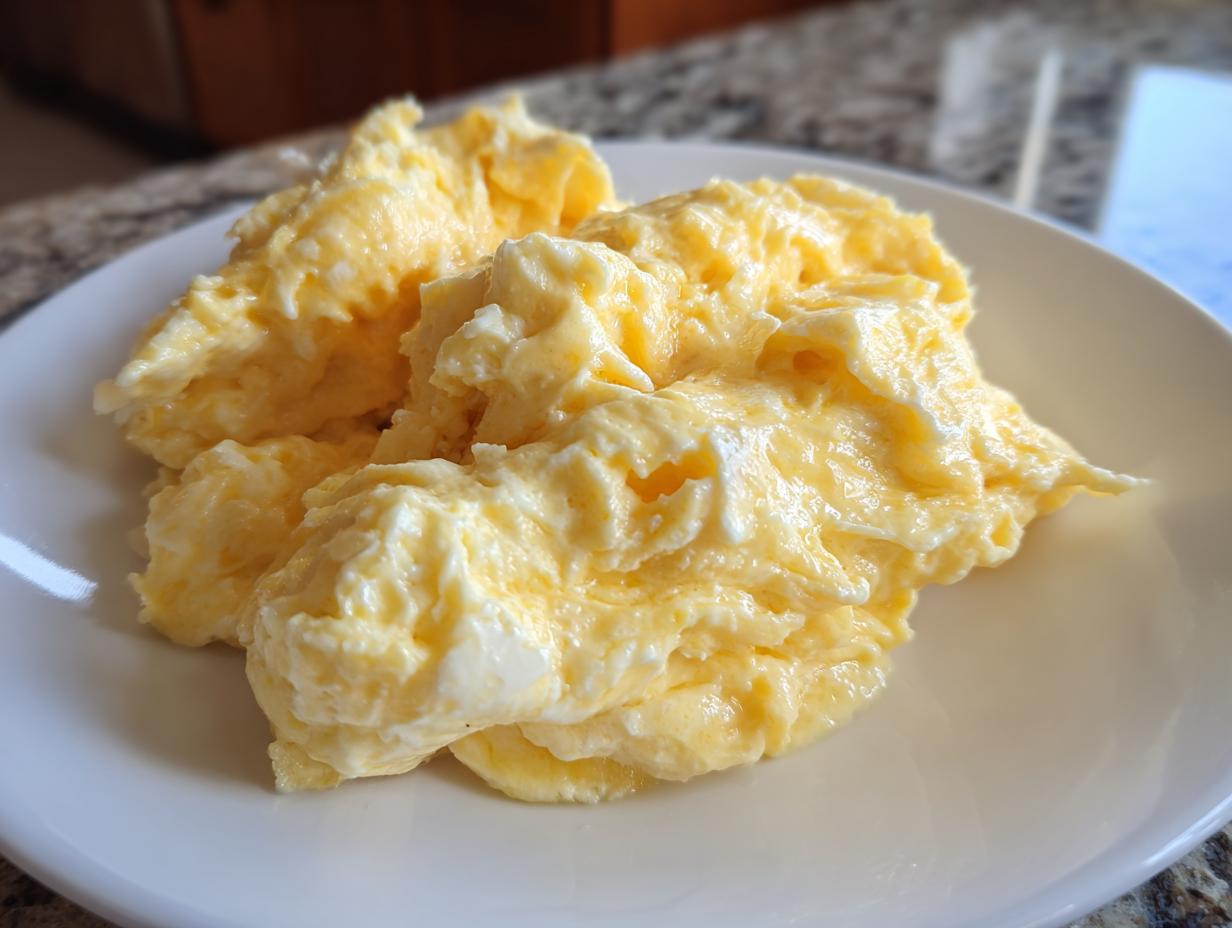
Are you tired of scraping sad, rubbery little clumps of egg off your plate? Me too! If you’ve been searching for the secret to unbelievably fluffy and creamy scrambled eggs that taste like they came straight from a fancy diner, you are in the exact right place.
My commitment here at the Command Center is simple: take the best of classic American cooking—what my family taught me—and pair it with the science to make it foolproof. You can learn more about our approach to tradition and technique on our About Page. Trust me, these scrambled eggs deliver restaurant-quality texture in under ten minutes. We are talking velvety smooth, soft custardy eggs that melt in your mouth, every single time. Let’s get cooking!
- Why This Fluffy and Creamy Scrambled Eggs Recipe Works
- Essential Ingredients for Perfect Scrambled Eggs
- How to Cook Perfect Eggs: The Stovetop Scrambled Eggs Technique
- Tips for Success with Restaurant Style Scrambled Eggs
- Scaling Up: Making Scrambled Eggs for a Crowd
- Variations: Creating Gourmet Scrambled Eggs
- Serving Suggestions for Your Simple Egg Dishes
- Storage and Reheating Instructions for Scrambled Eggs
- Frequently Asked Questions About Basic Egg Preparation
- Estimated Nutritional Data for Creamy Egg Recipe
- Share Your Perfect Scrambled Eggs Results
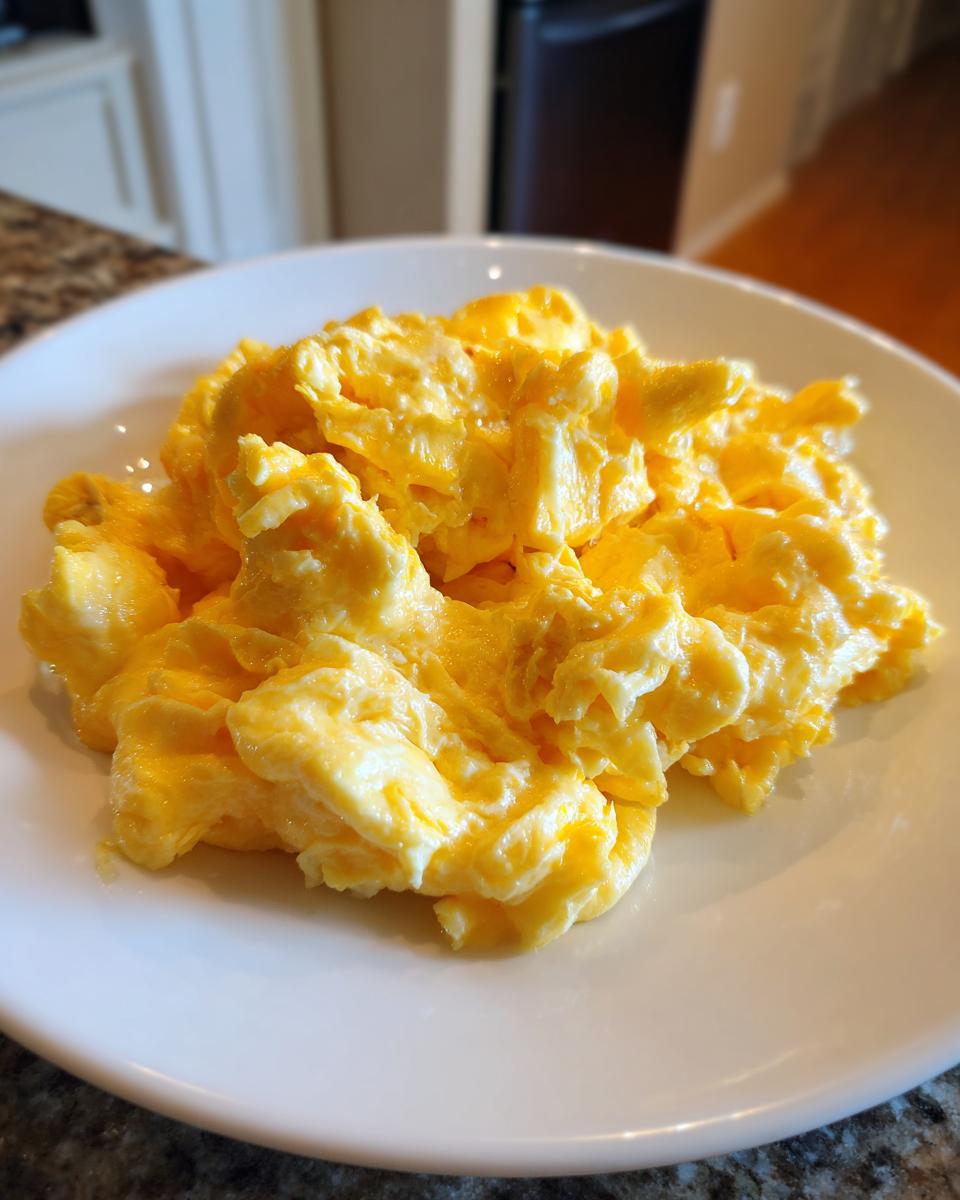
Why This Fluffy and Creamy Scrambled Eggs Recipe Works
You might be surprised how big of a difference technique makes when you are making something as basic as scrambled eggs. We aren’t just aiming for breakfast; we are aiming for pure, delicious texture! This recipe focuses entirely on maximizing fluffiness while locking in moisture. I often pair these eggs with my creamy garlic aioli if I’m making toast!
- It focuses on creating rich, soft curds instead of tough, browned pieces.
- It’s incredibly fast, meaning you can impress everyone without spending your whole morning hovering over the stove!
- We use a little dairy to ensure the final product is the best breakfast you’ve ever made.
Achieving Velvety Smooth Eggs Every Time
The real secret here is patience—ironically, even though it’s fast! We use low heat and a super gentle folding motion. You’ll never get those velvety smooth eggs if you blast the pan on high heat. That just cooks them too fast and squeezes all the goodness out! We want them barely setting before we move them around.
Quick Morning Meal Preparation
If you think restaurant-quality eggs take forever, think again! I’ve timed this start-to-finish, and we’re looking at about seven minutes total time. That’s perfect for when you need a quick morning meal that doesn’t taste like you rushed it. Grab that non-stick pan and let’s go!
Essential Ingredients for Perfect Scrambled Eggs
The best part about amazing scrambled eggs is that you don’t need a mountain of fancy stuff! Seriously, the ingredients are so basic, which means the *quality* and *how* you treat them is what matters most. If you only have two minutes to prep, this is the recipe to memorize. We aren’t messing around with fillers here; we just want pure egg goodness.
Here is what you need for a single serving—remember, we cook small batches for the best texture!
- 4 large eggs (I mean really large, fresh eggs are best!)
- 2 tablespoons whole milk or half-and-half (this is key, see below!)
- 1 teaspoon unsalted butter (don’t skimp on the butter, it adds flavor)
- Pinch of salt
- Pinch of black pepper
Ingredient Notes and Substitutions
Okay, let’s talk dairy. Some recipes suggest water to make them fluffy, but I disagree! Water steams out too quickly and that leaves you with firm, dry eggs. We want richness! That’s why I insist on whole milk or, even better, heavy cream or half-and-half. The fat content is what locks in that silkiness we are after. That’s how we build that creamy egg recipe foundation.
If you want to kick it up even further toward that soft custardy eggs texture, try this trick I learned: right before you pull those eggs off the heat, stir in one teaspoon of full-fat cream cheese or a dollop of sour cream—just one little scoop. It melts in instantly, adds a tiny bit of tang, and guarantees those velvety results with zero effort. It’s my little sign of authority on this recipe!
How to Cook Perfect Eggs: The Stovetop Scrambled Eggs Technique
Look, making amazing scrambled eggs really is all about the heat and the hand movements. We are talking about the foolproof method that shows you exactly how to cook perfect eggs without drying them out. If you follow these steps exactly, you’ll never go back to scrambling them fast again. These tips ensure we hit that perfect texture every time, making these the best scrambled eggs ever! If you’re looking for other fast breakfast wins, check out my fluffy almond flour pancakes sometime!
Mixing the Eggs: The Foundation of Fluffy Scrambled Eggs Technique
First things first: the bowl! You want to whisk your eggs and milk together until they are just combined and maybe a little frothy on top. Don’t grab that electric mixer! We aren’t trying to incorporate tons of air like we would for a meringue. I’ve learned that over-whisking really works against your goal of fluffy scrambled eggs technique because you break down the protein structure too much. Just a couple of easy whisks with a fork or regular whisk until you don’t see streaks of pure white or pure yolk is enough. Pop in your salt and pepper now.
Low and Slow Cooking for Creamy Egg Recipe
Now, time for the pan! Set your non-stick skillet over medium-low heat. Seriously, medium-low. If your pan is sizzling wildly the moment the butter hits it, it’s too hot! Melt that butter until it foams up slightly—that’s your signal. Pour in the egg mix and just let it sit there for about 30 seconds until you see the very edges start to look opaque. This tiny wait time is crucial for a good creamy egg recipe.
Folding for Soft Custardy Eggs
This is my favorite part! Take your rubber spatula and gently push the cooked edges toward the center of the pan. Tilt the pan so the raw egg runs underneath where you just moved things. Continue this gentle push-and-fold method. You aren’t stirring vigorously—you are creating big, soft mounds, which is how you get those beautiful soft custardy eggs.
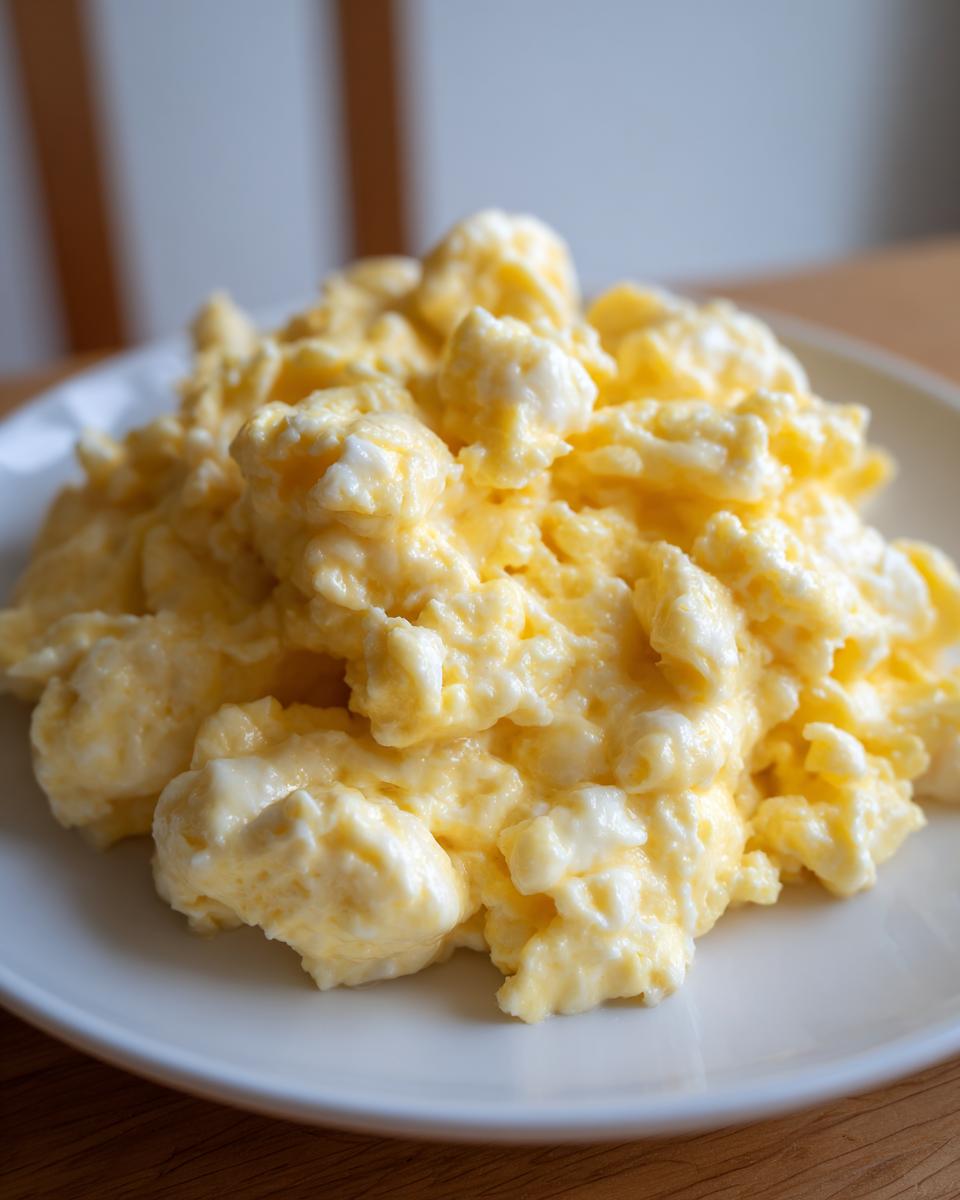
When the eggs are mostly set but still look a little glossy and wet, get them OFF the heat! I mean *immediately*. The residual heat in the pan will keep cooking them while you plate them up. If you wait until they look completely done in the pan, they’ll be overdone by the time they hit your plate!
Tips for Success with Restaurant Style Scrambled Eggs
Even with the right technique, sometimes things go wrong! Cooking scrambled eggs isn’t hard, but making them the absolute best version—those gorgeous, billowy mounds that look just like they do at your favorite brunch spot—takes a few pro moves. Once you master this, you’ll have a truly foolproof egg method locked down in your memory banks for life.
If you want to serve these up next to a really decadent main dish sometime, you should really try my easy homemade alfredo sauce. It’s surprisingly simple!
Preventing Sticking and Ensuring Even Cooking
The number one enemy of beautiful restaurant style scrambled eggs is sticking. If the eggs grab the pan, you end up ripping the curds apart, and they start to brown too fast. That’s why investing in a good non-stick pan is worth its weight in gold! But even with the best pan, you need the right tool.
Please, ditch the metal whisk or the wooden spoon for this job. You absolutely need a flexible rubber or silicone spatula. This lets you hug the curves of the pan so you can scrape every bit of newly set egg off the bottom constantly. Remember when I said we gently push the cooked egg? The spatula is your best friend for that. Gently scrape the bottom edge, just a tiny bit, letting the liquid flow under. This scraping action constantly moves the cooking egg, ensuring every part gets cooked evenly on the heat without getting tough or stuck. Do not stop moving your spatula along the surface!
Scaling Up: Making Scrambled Eggs for a Crowd
Okay, so you’ve mastered the perfect single serving, and now you’re hosting brunch for six people! Congratulations, but hold your horses! You cannot just quadruple the recipe and throw all twelve eggs into one big pan. If you do that, you’ll instantly lose that fluffy and creamy magic we worked so hard to achieve. I learned this the hard way trying to make scrambled eggs for a big family breakfast one year!
The secret to making scrambled eggs for a crowd while keeping them restaurant-quality is pure batch cooking. You need to keep your pan temperature consistent, and overcrowding the pan is the fastest way to drop that temperature way down. When the eggs hit a pan that’s too cool, they steam instead of setting gently, and suddenly you have wet, sad eggs instead of mounds of deliciousness.
You should plan on cooking no more than four eggs at a time, following the exact instructions for heat and folding. It might feel like you’re standing at the stove forever, but trust me, cooking them in two or three small batches ensures every single person gets the best bite. If you absolutely have to feed thirty people at once, you might want to check out baked versions, like this idea for baked scrambled eggs, but for the absolute best texture, small batches on the stovetop win every time. For an easier holiday morning, you could always try my Christmas breakfast casserole instead!
Variations: Creating Gourmet Scrambled Eggs
Once you master the basic technique for these creamy scrambled eggs, you realize how simple it is to turn them into something incredibly special. We’ve got fluffy eggs down, now let’s talk about making them feel like a true weekend treat—think gourmet scrambled eggs without the fuss! You already know they’ll be soft and perfect because of the low-and-slow method.
A little extra something right at the end goes a long way. If you’re feeling fancy, try stirring in some fresh flavor right before you pull the pan off the heat. A tablespoon of finely chopped fresh chives or snipped dill seriously elevates these eggs. They cut through the richness of the butter and milk so nicely!
For cheese lovers, tossing in shredded Gruyère or a quality sharp white cheddar right at the end gives you that lovely, savory pull that makes everything taste better. Remember, you add the cheese when the eggs are still slightly wet. The residual heat will melt it perfectly into the curds. It’s so much better than adding cheese too early and having it get stringy or oily.
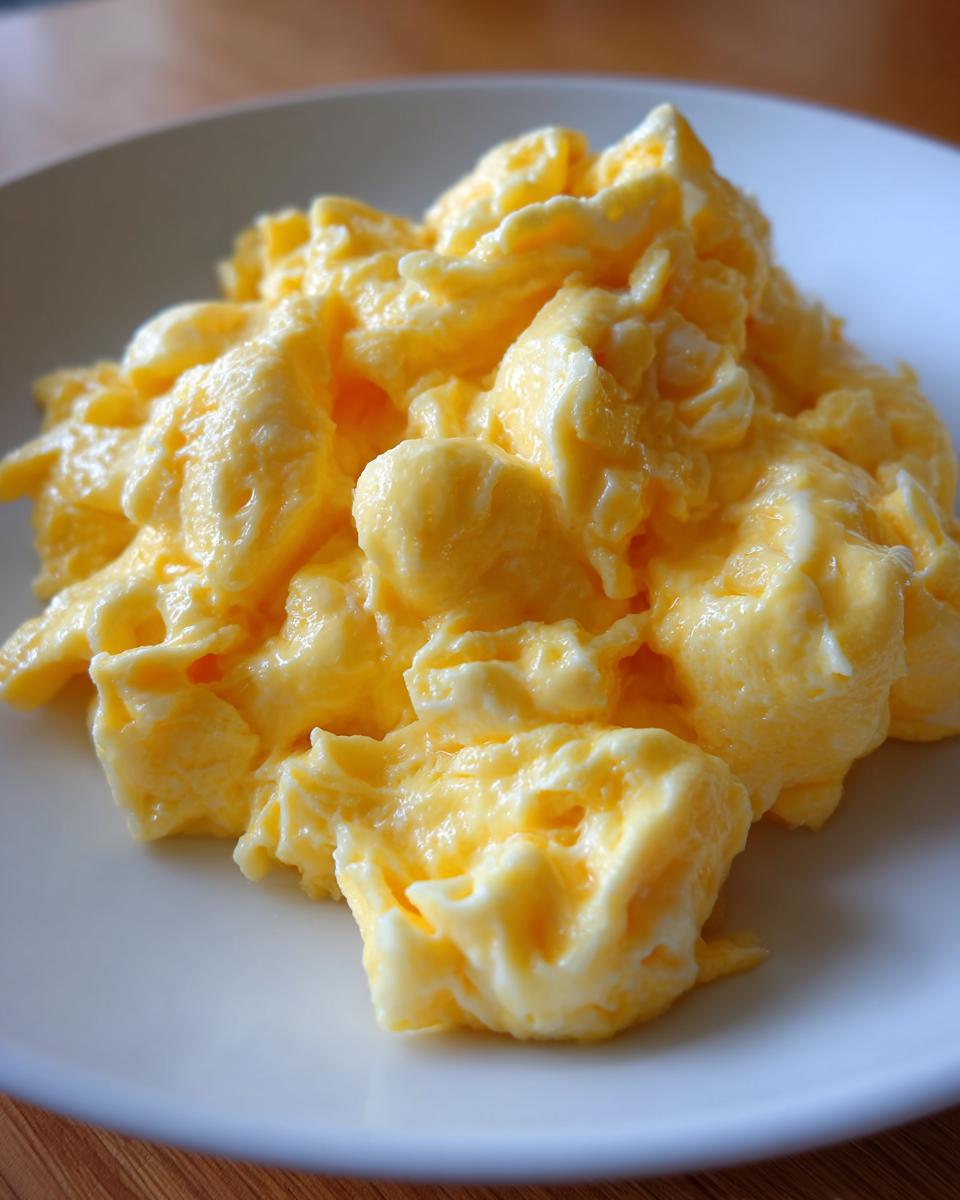
If you want something super rich to serve these creamy scrambled eggs with later in the week, you HAVE to try my easy creamy garlic sauce recipe. It pairs surprisingly well with a side of these delicate eggs!
Serving Suggestions for Your Simple Egg Dishes
So, you’ve nailed that incredible texture—they are fluffy, they are creamy, and they are ready to eat! What do you serve with the best scrambled eggs ever? Since this is such a quick and satisfying base, it’s perfect for building out any number of easy breakfast ideas. You don’t need complex meals when your eggs are this good!
The most basic route, and my personal favorite, is simple toast. But don’t just use any old bread! Since these are such rich, simple egg dishes, they deserve something sturdy. I love toasted sourdough or hearty multigrain bread, maybe with a schmear of good quality butter or avocado on top. The slight crunch of the toast is the perfect contrast to the silky, soft eggs.
But if you want to turn this into a bigger brunch moment, potatoes are non-negotiable in my house. If you want crispy perfection with almost zero effort, you absolutely must try my recipe for air fryer potato wedges. They come out so perfectly crisp on the outside and fluffy on the inside, and they soak up any extra egg goodness beautifully!
And don’t forget the sandwich potential! Because these eggs stay moist and don’t get dry when you bite into them, they are fantastic stuffed inside a toasted English muffin or a soft brioche roll with maybe a slice of sharp cheddar or pepper jack. Honestly, once you master this fluffy scrambled eggs technique, every meal involving eggs suddenly feels gourmet, even if it’s just a quick bite before running out the door.
Storage and Reheating Instructions for Scrambled Eggs
Okay, confession time: these creamy scrambled eggs are honestly best eaten the second they leave the pan. Because we are going for that incredibly soft, custardy texture? Leftovers definitely need some special handling so they don’t turn rubbery when you reheat them later. If you follow these tips, you can still enjoy the leftovers for breakfast the next day!
First, you absolutely must cool them down fast. Don’t just let them sit on the counter! Transfer the leftovers immediately into a shallow, airtight container. Don’t pack them in too tightly, or they’ll steam themselves into a solid block. You want them to cool down quickly in the fridge.
When it comes time to reheat—and this is the absolute most important step if you want to keep that fluffy scrambled eggs technique alive—do not, under any circumstances, throw them in the microwave for a minute straight. That heat is too aggressive for delicate eggs.
For the best results, reheat them in a non-stick skillet over very low heat. Add a tiny splash of extra milk or a pat of butter to the pan *before* you add the eggs. Gently fold them over and over until they warm through. This reintroduces a little moisture and loosens up those curds. It won’t be *exactly* as pillowy as the first batch, but it will be miles better than microwaved eggs!
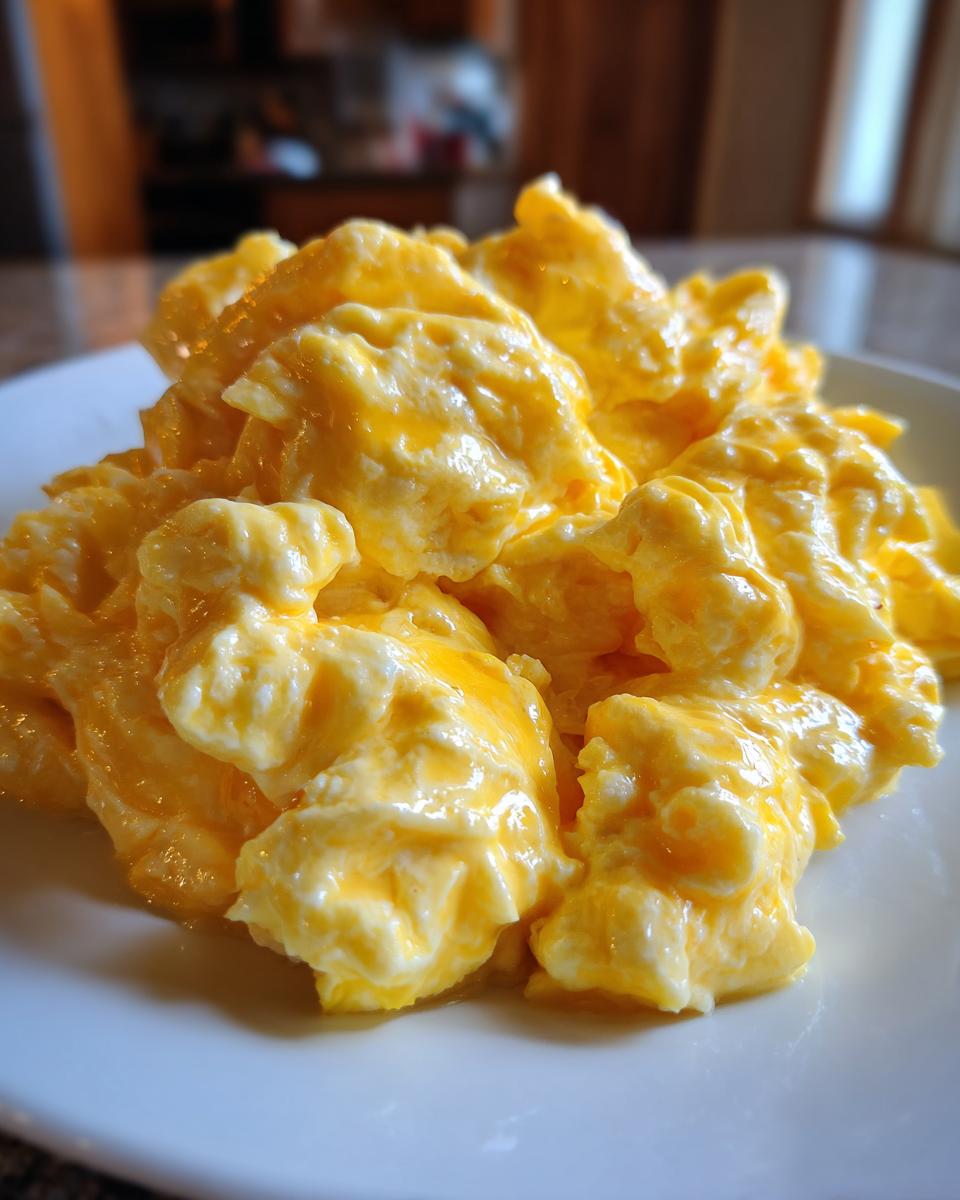
If you’re in a real rush, a blast of 15 seconds in the microwave is okay, but mix them vigorously halfway through. Remember, the goal is to gently warm them, not re-cook them past oblivion! Keep these creamy scrambled eggs traditions alive!
Frequently Asked Questions About Basic Egg Preparation
I know you probably have questions swirling, because everyone I teach how to make these amazing scrambled eggs ends up asking the same couple of things! It’s usually about texture because that’s what we are obsessing over here! We want those amazing soft custardy eggs, not dry cardboard, right? So, let’s clear up the remaining things about this basic egg preparation so you can nail it next time.
Can I use water instead of milk for fluffy scrambled eggs?
Oh, this is a classic question! While adding water *does* help create steam, and steam introduces some fluffiness, I just don’t recommend it for this recipe. Why? Because we are chasing creaminess! Water evaporates quickly and doesn’t contribute to the velvety mouthfeel we want. Milk or, better yet, half-and-half or cream, adds necessary fat that coats the egg proteins. That fat is what keeps them tender and rich, giving you the fluffy scrambled eggs technique success without sacrificing the creamy texture!
What temperature should I use for the best scrambled eggs ever?
Heat management is everything! If you want the best scrambled eggs ever, you must resist the urge to crank that dial up to medium-high or high. That fast heat instantly tightens up the egg proteins, resulting in tough, small, dry curds way too quickly. I insist on medium-low heat. It feels slow—maybe too slow—but trust me! It allows the butter to foam gently and gives you time to fold and push the eggs slowly, creating just the right size of soft curd. Low and slow is the path to perfection here.
Are these scrambled eggs suitable for a quick breakfast brunch recipes?
Absolutely, yes! That’s one of the biggest selling points for this method! We are looking at maybe two minutes of prep time and only five minutes of actual cooking. A total time closer to seven or eight minutes means this recipe fits perfectly into your morning rush, even on a Tuesday. They are fast enough for a quick morning meal but delicious enough to serve for breakfast brunch recipes when guests arrive unexpectedly. They look fancy, but they are speedy!
If you have other burning questions that I haven’t managed to cover, send them over via my contact page! I love hearing what you are cooking up!
Estimated Nutritional Data for Creamy Egg Recipe
I always love sharing this because it proves you don’t need a ton of calories to get an absolutely gourmet breakfast! Because our creamy egg recipe relies on simple, whole ingredients, these perfectly cooked scrambled eggs are surprisingly balanced. They are packed with protein, which keeps you full right until lunch, which is a huge win for any morning meal!
Just keep in mind that these numbers are just estimates, you know? What I use for butter or what brand of milk you grab can tweak things slightly. This data assumes you are making one serving using the exact standard ingredients listed above for this Basic Egg Preparation.
- Serving Size: 1 serving
- Calories: 210
- Fat: 16g
- Saturated Fat: 8g
- Protein: 13g
- Carbohydrates: 2g
- Sugar: 1g
- Cholesterol: 450mg (Eggs are high in cholesterol, but don’t let the internet scare you—healthy fats are still crucial!)
- Sodium: 150mg
See? Not bad at all for something that tastes this ridiculously rich. It’s proof that fat equals flavor, and we are using that richness wisely here to give you those amazing soft custardy eggs. Enjoy knowing you’re eating well while you enjoy your breakfast!
Share Your Perfect Scrambled Eggs Results
Okay, you made them! You followed the low-and-slow method, you used the rubber spatula, and you pulled them off the heat while they were still a little glossy. How did they turn out? I absolutely need to know!
Creating these scrambled eggs is all about achieving that peak texture, and I want to hear if you hit that sweet spot. Did you finally achieve the creamy egg recipe you’ve always dreamed of? Were they exactly as fluffy as you hoped?
Don’t be shy! This is the place to brag, or if something went a little sideways, tell me what happened so we can troubleshoot in the comments. Pop a rating below—did this officially become your new way to make scrambled eggs? I genuinely love hearing success stories from my readers. Seeing your results makes all the testing I do here worth it. Happy scrambling, and I can’t wait to read what you think!
PrintThe Absolute Best Fluffy and Creamy Stovetop Scrambled Eggs (Restaurant Quality in 5 Minutes)
Make restaurant-style scrambled eggs that are perfectly fluffy, creamy, and soft every time using a simple, low-heat stovetop technique. This foolproof method delivers velvety smooth eggs in under 10 minutes.
- Prep Time: 2 min
- Cook Time: 5 min
- Total Time: 7 min
- Yield: 1 serving 1x
- Category: Breakfast
- Method: Stovetop
- Cuisine: American
- Diet: Vegetarian
Ingredients
- 4 large eggs
- 2 tablespoons whole milk or half-and-half
- 1 teaspoon unsalted butter
- Pinch of salt
- Pinch of black pepper
Instructions
- In a medium bowl, whisk the eggs and milk together until the yolks and whites are fully combined and slightly frothy. Add salt and pepper. Do not over-whisk.
- Place a non-stick skillet over medium-low heat. Add the butter and let it melt completely until it foams slightly.
- Pour the egg mixture into the warm skillet. Let the eggs sit undisturbed for about 30 seconds until the edges just begin to set.
- Using a rubber spatula, gently push the cooked egg from the edge toward the center, tilting the pan so the uncooked egg flows underneath.
- Continue this low-and-slow pushing and folding motion. Do not stir vigorously; you want large, soft curds, not small, dry pieces.
- When the eggs are mostly set but still look slightly wet and glossy (this is key for creaminess), remove the pan from the heat immediately. The residual heat will finish cooking them.
- Serve immediately for the best texture.
Notes
- For extra richness, add 1 teaspoon of cream cheese or sour cream right before removing the eggs from the heat.
- Use a rubber spatula to scrape the bottom and sides of the pan constantly to prevent sticking and ensure even cooking.
- If you are cooking for a crowd, cook the eggs in smaller batches rather than overcrowding the pan, which lowers the temperature and results in tougher eggs.
Nutrition
- Serving Size: 1 serving
- Calories: 210
- Sugar: 1
- Sodium: 150
- Fat: 16
- Saturated Fat: 8
- Unsaturated Fat: 8
- Trans Fat: 0
- Carbohydrates: 2
- Fiber: 0
- Protein: 13
- Cholesterol: 450