

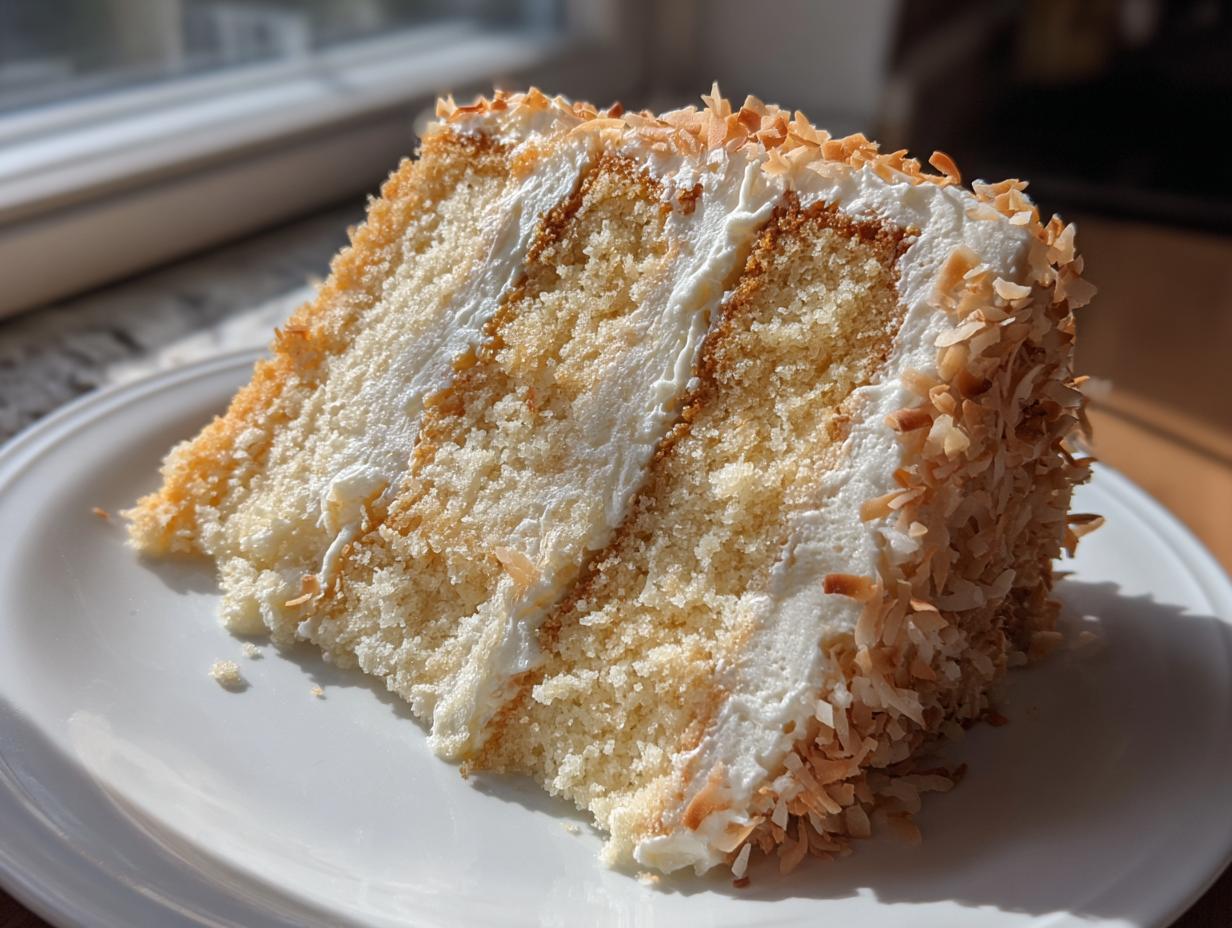
There’s just something magical about classic Southern desserts, isn’t there? That melt-in-your-mouth sweetness paired with a texture that just sings. If you’ve been hunting forever for the perfect slice of paradise, stop searching! I’m bringing you my absolute favorite: the Classic Moist & Fluffy Southern Coconut Cake. Here at Cookery Command, we obsess over getting traditional recipes right, making sure every batch delivers that reliable, show-stopping result you expect from the very best coconut cake.
- Why This Classic Moist Coconut Cake Recipe Works Every Time
- Ingredients for Your Southern Coconut Cake
- Step-by-Step Instructions for the Perfect Coconut Cake Recipe
- Expert Tips for a Bakery Style Coconut Cake
- Variations on the Classic Coconut Cake
- Storing and Serving Your Homemade Coconut Cake
- Common Questions About This Layered Cake Recipe
- Estimated Nutritional Information for Coconut Cake
- Share Your Southern Baking Creations
Why This Classic Moist Coconut Cake Recipe Works Every Time
Honestly, there are a million ways to bake a cake, but this specific coconut cake hits the sweet spot every single time. It’s not magic; it’s just a few non-negotiable steps my kitchen research proved are essential for that bakery-style finish at home. We focus on texture and flavor balance, which is why people keep asking for the recipe! If you love heritage baking, you might also want to check out my old-fashioned banana pudding recipe.
Here’s what makes this recipe a certified winner, especially if you’ve had disappointing, dry cakes in the past:
- It uses both shredded coconut *and* cream of coconut, giving you flavor in the crumb and moisture from the fat.
- The two-stage creaming process sets up a light foundation before any liquid is added.
- We use cream cheese in the frosting for necessary tang that cuts through all that sweetness.
This combination ensures you get that reliably moist coconut cake goodness.
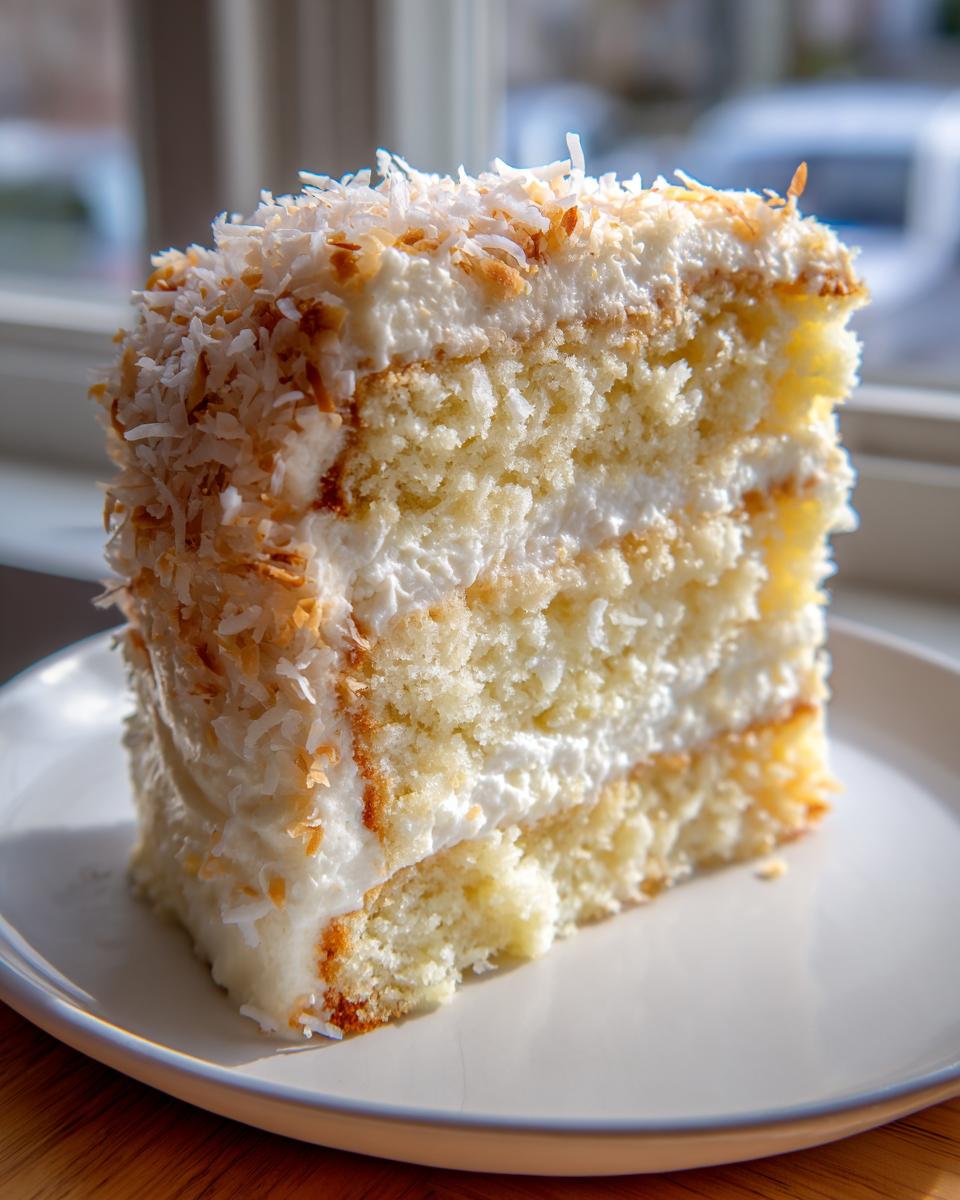
Achieving the Ultimate Fluffy Coconut Cake Crumb
When you’m mixing the cake layers, your electric mixer is your best friend, but you have to use it right! Always cream that softened butter and sugar until it’s visibly pale and fluffy—I mean really beat it up for a solid three to four minutes. This whips air right into the fat, which is the secret to that light, fluffy crumb you want in a great coconut cake. Don’t rush that step! Also, add your wet and dry ingredients alternately and stop mixing the second you see everything combine. Overmixing gluten is the enemy of fluffy!
The Cream Cheese Frosting Difference for Your Coconut Cake
I’ve made plain vanilla buttercream on this cake before, and while it’s fine, it’s just *not* the same. The addition of cream cheese is what takes this frosting to the next level. It gives the frosting incredible stability so it holds up beautifully when you stack these two layers, preventing that messy slide we all dread. Plus, that slight, wonderful tang cuts right through the richness of the cake and the heavy sweetness of the coconut. It’s the perfect finish for a true cream cheese frosting cake.
Ingredients for Your Southern Coconut Cake
Okay, let’s get down to the shopping list! When you’re making a showstopper like this coconut cake, the quality and preparation of your ingredients really matter. I’ve broken this down so you can shop efficiently. If you want to dive deeper into frosting science, I have a full breakdown on whipping up the best cream cheese frosting you’ll ever taste.
Remember, we are building layers of flavor here, so don’t swap out the coconut fats for just plain milk—we need that tropical punch!
Ingredients for the Moist Coconut Cake Layers
This is what goes into making those tender, flavorful cake layers. Pay attention to the fats we are using; that cream of coconut is non-negotiable for true moisture!
- 1 3/4 cups all-purpose flour
- 1 3/4 cups granulated sugar
- 1 tablespoon baking powder
- 1/2 teaspoon salt
- 1 cup unsalted butter, softened (this needs to be room temperature!)
- 4 large eggs
- 1 cup whole milk
- 1 teaspoon vanilla extract
- 1/2 cup unsweetened shredded coconut (for cake batter)
- 1/2 cup cream of coconut (like Coco Lopez)
- 1/4 cup coconut milk (for cake batter)
Ingredients for the Fluffy Cream Cheese Frosting
This frosting is rich, perfectly balanced, and holds its shape beautifully under all that toasted coconut.
- 1 cup (2 sticks) unsalted butter, softened
- 8 ounces cream cheese, softened (make sure this isn’t warm or melty!)
- 4 cups powdered sugar, sifted (sifting is key for smooth frosting!)
- 1 teaspoon vanilla extract
- 1/4 cup coconut milk (for frosting)
And finally, don’t forget the star of the show for presentation!
- 1 1/2 cups sweetened shredded coconut, toasted (for topping)
Step-by-Step Instructions for the Perfect Coconut Cake Recipe
Following these steps is how you turn standard ingredients into an amazing, moist coconut cake that tastes like it came straight from a Southern bakery! Trust me, taking the time for proper mixing and cooling is what guarantees success. We aren’t just baking; we are crafting. If you want to practice your frosting skills separately, I have a great tutorial on making super smooth vanilla buttercream, but for now, let’s focus on this tropical beauty!
Preparing the Cake Layers
First things first: Preheat that oven to 350°F (175°C). Get those two 9-inch pans greased and floured—you want them totally ready! In one bowl, whisk your dry ingredients: flour, sugar, baking powder, and salt. Then, add the softened butter to that dry mix and beat it low until it looks sandy. This is the start of building air. In another bowl, whisk together the eggs, milk, vanilla, cream of coconut, and coconut milk. Add the wet mixture gradually to the sandy dry mix, mixing only on low speed until it just comes together. Seriously, do not overmix! Finally, gently fold in that 1/2 cup of unsweetened shredded coconut.
Making the Cream Cheese Frosting and Assembly
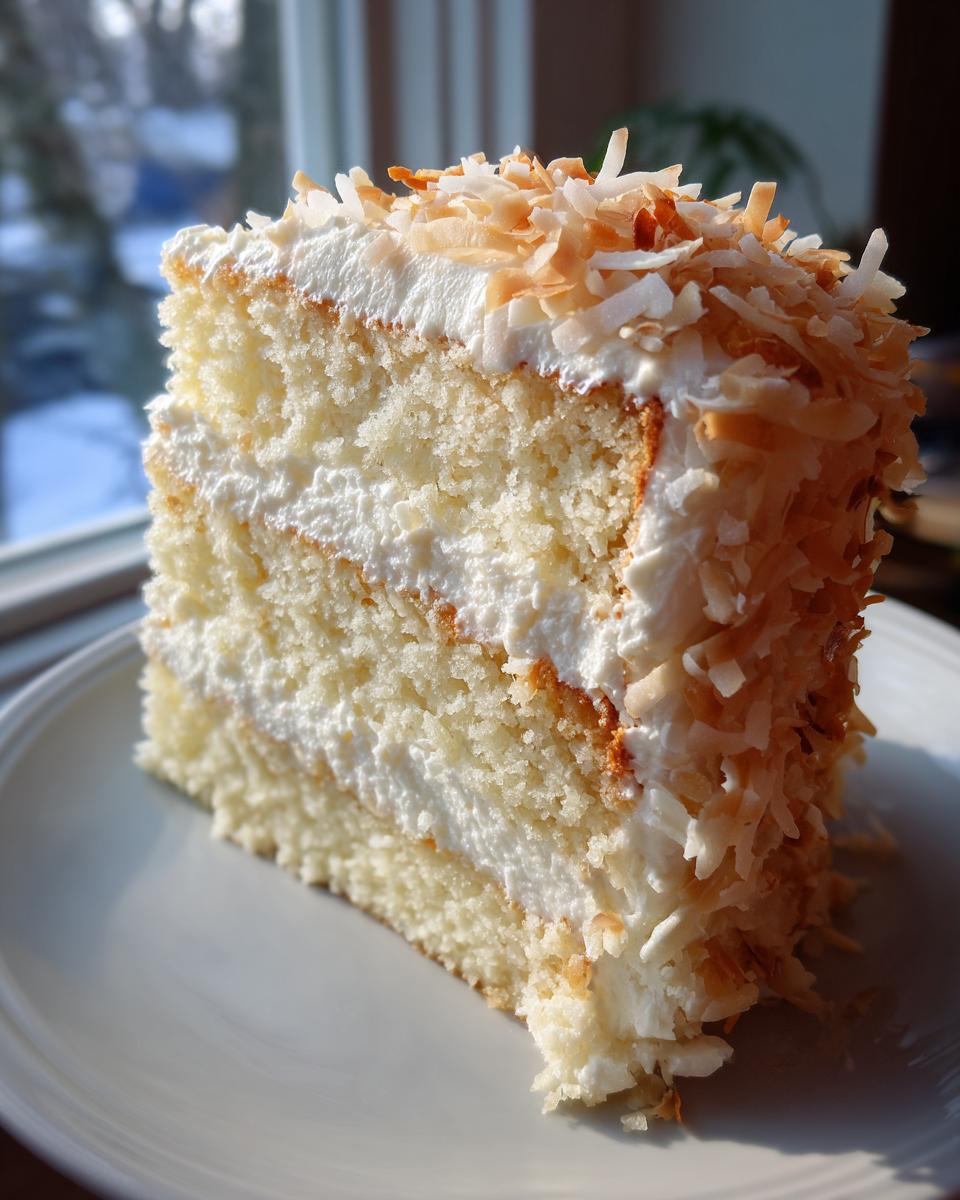
Now for the creamy magic! Beat your softened butter and cream cheese until they are completely smooth—you aren’t looking for lumps here. Next, start adding that sifted powdered sugar gradually. Once it looks integrated, whip in the vanilla and 1/4 cup of coconut milk until it’s light and fluffy. Once the cakes are totally cool—and I mean cool, not even warm—place one layer down. Spread about a third of that fluffy frosting on top. Stack the second layer, and then frost the entire outside of your coconut cake. Press that toasted coconut all over the sides and top. Pop it in the fridge for about 15 minutes before you slice it; chilling makes for the cleanest cuts!
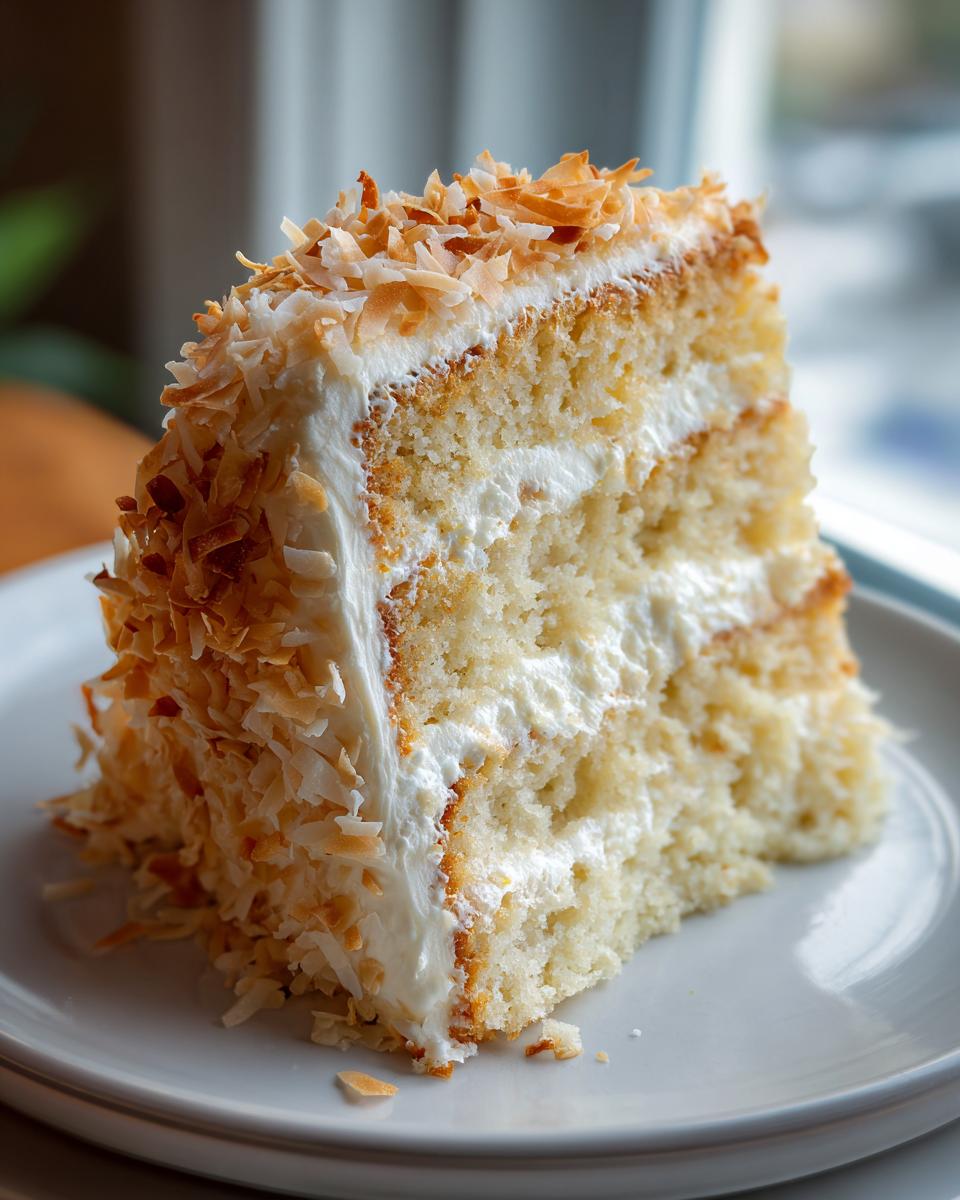
Expert Tips for a Bakery Style Coconut Cake
Getting that stunning look and that deeply fragrant coconut flavor, the kind you only find at a brilliant bakery, just takes a little extra attention at the end. This isn’t just about technique; it’s about layering in flavor intentionally so your final bakery style cake tastes as incredible as it looks. I learned this trick when I was trying to boost flavor in subtle cakes. For more reliable baking tips, check out my guide on making bakery-style pistachio muffins!
Perfectly Toasting Shredded Coconut
Don’t you dare skip toasting the coconut for the topping! It transforms that dry, dusty flavor into something rich and nutty. Spread your sweetened shredded coconut in a single, thin layer on a light metal baking sheet. Pop it into that 350°F oven—the same temperature as the cake, isn’t that convenient?—and you need to watch it like a hawk. Seriously, five minutes it’s pale, and at seven minutes it’s charcoal! Stir it gently every two minutes. Once you see those beautiful golden brown edges popping up, pull it out immediately. It keeps cooking even after you remove it from the oven, so err on the side of slightly lighter!
Variations on the Classic Coconut Cake
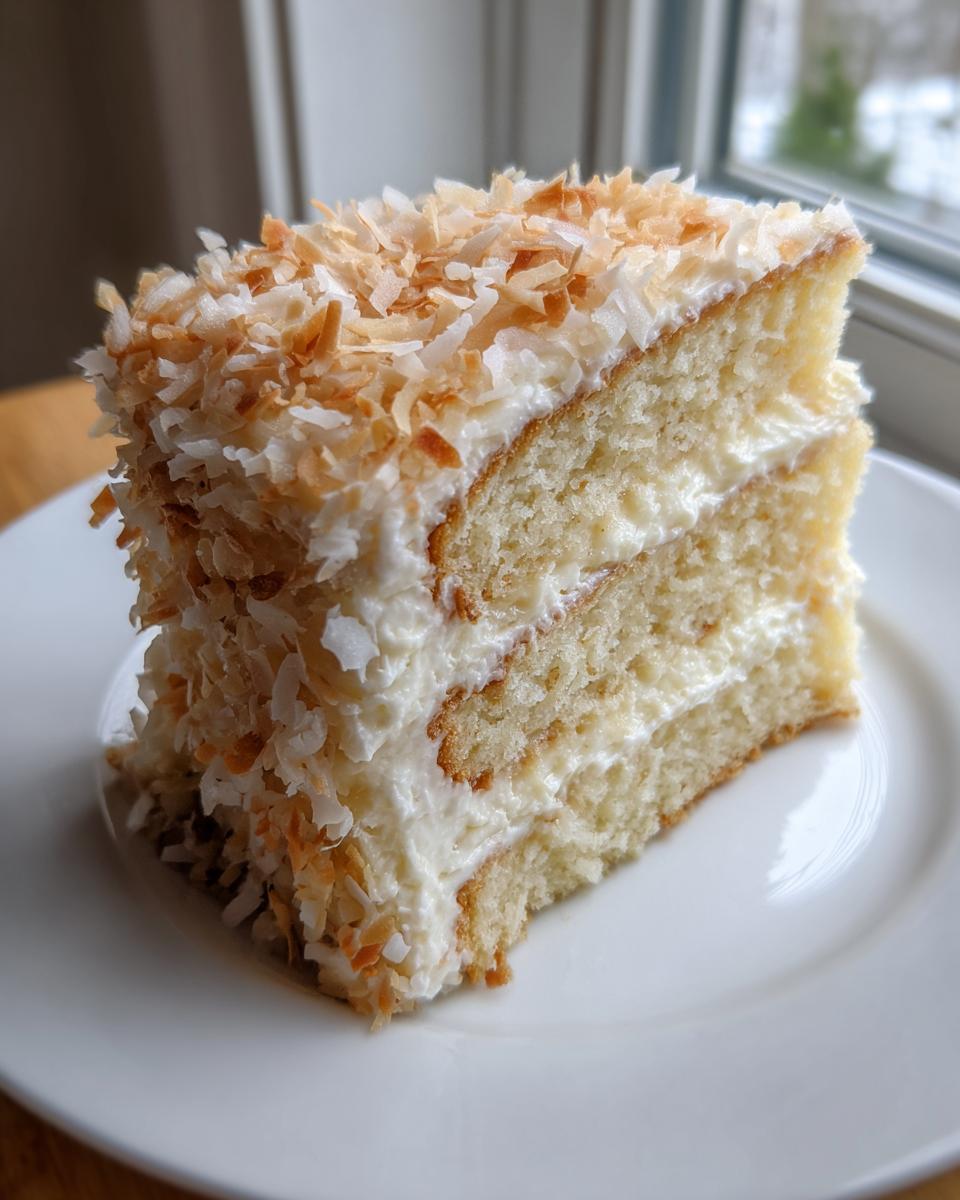
Even though this coconut cake is perfect as is, I love seeing how you all tweak it to make it your own! If you were hoping for something closer to an old fashioned coconut cake without the cream cheese, you can easily swap out the frosting for a simple cooked boiled frosting—it’s sweeter and sets up firmer, which is very traditional. For those who crave that tropical punch, try brushing the cooled layers with a little coconut rum before frosting; it really amps up the flavor profile. For a lighter, airier texture closer to a coconut cream cake, try replacing half the butter in the cake batter with applesauce! You can find some interesting ways to adapt classic recipes in my guide to making my never-fail fruit cake, if you enjoy experimenting with different textures.
Storing and Serving Your Homemade Coconut Cake
Alright, the hard part is over—you made the most gorgeous coconut cake! Now, how do we keep it perfect? Because we used that lush cream cheese frosting, this cake absolutely needs to be stored in the refrigerator. Just cover it loosely with plastic wrap or put it under a cake dome—don’t wrap it too tightly, or the frosting might sweat! However, here’s the crucial serving tip: take it out about 30 minutes before you plan to serve it. That little bit of warming restores the butter in the frosting and cake to the perfect texture. You can find more tips on making things last in the fridge longer in my guide on easy refrigerator dillies!
Common Questions About This Layered Cake Recipe
I know when I’m looking at a new layered cake recipe, my brain starts firing off logistical questions right away. Don’t worry, I’ve tried to answer the biggest concerns I always get when people try this coconut cake for the first time! If you love stacking tiers and creating height, you should check out my general guide on layered cake recipes for more inspiration.
Can I substitute the cream of coconut with regular coconut milk?
Oh, I wish you could! Cream of coconut—that syrupy stuff you use for Piña Coladas—is much sweeter and thicker than standard canned coconut milk. If you use regular canned milk, your cake will definitely lose that deep tropical flavor and might end up a little too thin in the batter. If you only have canned coconut milk, try adding a few tablespoons of extra granulated sugar to compensate, but it won’t be quite the same as that rich cream of coconut.
How do I turn this into an easy sheet cake for a bigger party?
That’s a great idea for serving lots of people! You can absolutely adapt this. Instead of two 9-inch rounds, use a 9×13 inch pan. Because the batter is shallower in a sheet pan, you’ll need to lower your baking time slightly—check it around 25 to 30 minutes. You’ll still want to keep the full amount of that amazing frosting, and you can press the toasted coconut right over the top for a beautiful presentation. It makes for an incredibly easy coconut dessert!
Can I make this ahead of time?
Yes, which is fantastic for parties! For the best result, bake the layers one day ahead and wrap them tightly in plastic wrap once they are completely cool. Store them at room temperature. You can also make the cream cheese frosting cake frosting a day ahead and keep it refrigerated, but you absolutely must beat it again for a minute or two before frosting the cooled layers. Remember the rule: cakes taste best when they sit for at least a few hours after frosting, but definitely store leftovers in the fridge.
Estimated Nutritional Information for Coconut Cake
Now, let’s talk fuel! I’m Emily, and I come from a nutrition background, so while I believe in enjoying every bite of a fantastic coconut cake, I also believe in transparency. Cooking from scratch means you know exactly what’s going into your food, which is better than any mystery store-bought box!
Please treat these numbers below as a good baseline estimate for one slice of this rich, layered dessert. We are using a full cup of butter and two sticks in the frosting, plus all that sugar, so it’s definitely a treat! This estimate is calculated based on standard ingredient usage for 10 generous servings. If you cut bigger pieces (and who can blame you?), these numbers will shift.
- Serving Size: 1 slice
- Calories: Approximately 480 per slice
- Total Fat: About 26g (Remember, much of that is rich butter!)
- Saturated Fat: Roughly 16g
- Carbohydrates: Around 60g
- Total Sugars: We estimate around 55g in this sweet treat
- Protein: About 5g
If you are conscious about sugar intake, remember that this is a holiday or special occasion cake, and it’s totally worth it! The joy of eating a moist coconut cake made with love far outweighs a few grams here or there. Everything in moderation, my friends!
Share Your Southern Baking Creations
Now that you have mastered this incredible moist coconut cake, I want to hear from you! Did it taste like Sunday dinner at your grandmother’s house? Please hop down to the comments below and give this recipe a rating—five stars if it deserves it! If you made any swaps or just want to share a picture of your amazing layers, tag us on social media. Sharing our love for classic Southern baking desserts is what Cookery Command is all about!
PrintClassic Moist & Fluffy Southern Coconut Cake with Cream Cheese Frosting
You will create a tender, moist Southern Coconut Cake with layers of fluffy coconut cream cheese frosting and a topping of toasted coconut. This recipe honors tradition while ensuring a reliable, delicious result for your next gathering.
- Prep Time: 30 min
- Cook Time: 35 min
- Total Time: 65 min
- Yield: 10 servings 1x
- Category: Dessert
- Method: Baking
- Cuisine: American
- Diet: Vegetarian
Ingredients
- 1 3/4 cups all-purpose flour
- 1 3/4 cups granulated sugar
- 1 tablespoon baking powder
- 1/2 teaspoon salt
- 1 cup unsalted butter, softened
- 4 large eggs
- 1 cup whole milk
- 1 teaspoon vanilla extract
- 1/2 cup unsweetened shredded coconut (for cake batter)
- 1/2 cup cream of coconut (like Coco Lopez)
- 1/4 cup coconut milk (for cake batter)
- 1 cup (2 sticks) unsalted butter, softened (for frosting)
- 8 ounces cream cheese, softened (for frosting)
- 4 cups powdered sugar, sifted (for frosting)
- 1 teaspoon vanilla extract (for frosting)
- 1/4 cup coconut milk (for frosting)
- 1 1/2 cups sweetened shredded coconut, toasted (for topping)
Instructions
- Preheat your oven to 350°F (175°C). Grease and flour two 9-inch round cake pans.
- In a large bowl, whisk together the flour, sugar, baking powder, and salt.
- Add the softened butter to the dry ingredients. Beat with an electric mixer on low speed until the mixture resembles coarse sand.
- In a separate bowl, whisk together the eggs, 1 cup milk, vanilla extract, cream of coconut, and 1/4 cup coconut milk.
- Gradually add the wet ingredients to the dry ingredients, mixing on low speed until just combined. Do not overmix.
- Fold in the 1/2 cup of shredded coconut for the cake batter.
- Divide the batter evenly between the prepared cake pans.
- Bake for 30 to 35 minutes, or until a wooden pick inserted into the center comes out clean.
- Let the cakes cool in the pans for 10 minutes before inverting them onto a wire rack to cool completely.
- To make the cream cheese frosting, beat the softened butter and cream cheese together until smooth and creamy.
- Gradually add the sifted powdered sugar, mixing until incorporated.
- Add the vanilla extract and 1/4 cup coconut milk. Beat on medium speed until the frosting is light and fluffy. Add more powdered sugar or coconut milk if needed to reach your desired spreading consistency.
- Once the cakes are completely cool, place one layer on a serving plate. Spread about one-third of the frosting over the first layer.
- Top with the second cake layer. Frost the top and sides of the entire cake with the remaining frosting.
- Press the toasted shredded coconut onto the top and sides of the cake.
- Chill the cake briefly before slicing for cleaner cuts.
Notes
- To toast coconut, spread the shredded coconut in a single layer on a baking sheet. Bake at 350°F (175°C) for 5 to 10 minutes, watching closely to prevent burning. Stir halfway through.
- For an extra moist cake, brush the cooled layers lightly with a mixture of 1/4 cup coconut milk and 2 tablespoons of cream of coconut before frosting.
- This cake is excellent when made a day ahead; store it covered in the refrigerator. Allow it to sit at room temperature for 30 minutes before serving.
Nutrition
- Serving Size: 1 slice
- Calories: 480
- Sugar: 55g
- Sodium: 250mg
- Fat: 26g
- Saturated Fat: 16g
- Unsaturated Fat: 10g
- Trans Fat: 0.5g
- Carbohydrates: 60g
- Fiber: 2g
- Protein: 5g
- Cholesterol: 95mg