

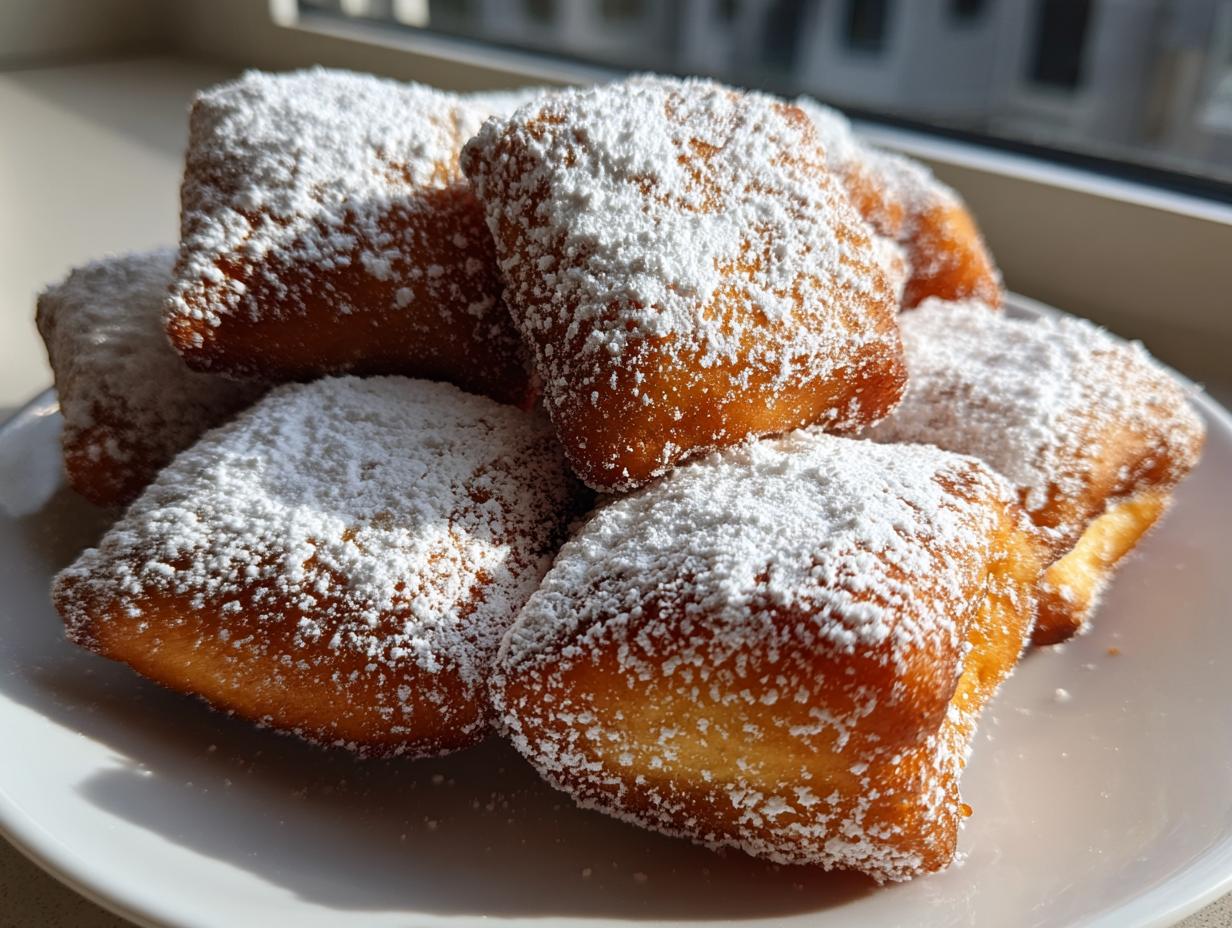
There is just something magical about biting into a properly made French pastry, isn’t there? That first crunch yields immediately to airiness, and then that sweet coating of sugar just melts away. For me, the ultimate comfort food falling into that category is the classic beignet. But why settle for something ordinary? Here at Cookery Command, my goal, just as it was when I started in the family kitchen, is to bring authentic techniques to modern life. Trust me when I say that making truly authentic, fluffy vanilla french beignets at home using a reliable yeast method is completely achievable. We’ve taken the dedication needed for classic French baking and refined it so you can confidently command your kitchen. If you love learning how to achieve that perfect lift, you absolutely need to check out my notes on how I get that same airy texture in my easy soft fluffy bread recipe.
- Why You Will Master These Vanilla French Beignets Recipe
- Gathering Ingredients for Your Vanilla French Beignets
- Step-by-Step Instructions for Fluffy Vanilla French Beignets
- Beignet Making Tips for Authentic Vanilla French Beignets
- Serving Suggestions for Your Sweet Snack Recipes
- Storage and Reheating Instructions for Leftover Vanilla French Beignets
- Frequently Asked Questions About Making Vanilla French Beignets
- Nutritional Estimate for Your Pillowy Homemade Treats
- Share Your Experience with Our Vanilla French Beignets
Why You Will Master These Vanilla French Beignets Recipe
I know what you’re thinking: yeast dough means complicated, right? Absolutely not! We are going to make this simple for you. When you follow these steps, you’re not just frying dough; you’re creating something incredible. You’ll conquer these vanilla french beignets!
- You get that authentic, fluffy fried dough texture that melts in your mouth.
- The vanilla flavor isn’t just an afterthought; it’s warm and deeply infused into every bite.
- Don’t worry about the yeast; we wake it up gently, so it does all the hard work for you.
We want you creating pillowy homemade treats, not dense little bricks! If you need another confidence boost on achieving that perfect airy texture, check out my guide on making easy fluffy homemade marshmallows—the mechanics of air are very similar!
Gathering Ingredients for Your Vanilla French Beignets
Okay, let’s get organized! In my kitchen, nothing starts until the ingredients are lined up, measured, and ready to go. This is crucial when dealing with yeast dough, because speed matters once the rising starts. For these vanilla french beignets, we need whole, good-quality items. Don’t skimp on that vanilla; it’s our star flavor here!
Here is exactly what you’ll need for about 18 perfect, fluffy pastries. If you want to practice tossing together some great flavor combinations before you start frying, you can see some of my favorite mixes in my guide to easy homemade salad dressing recipes—it’s all about balancing the main components!
- 1 cup warm water (make sure it’s between 110°F and 43°C!)
- 1/4 cup granulated sugar
- 1 packet active dry yeast (that’s about 2 1/4 teaspoons, just to be safe)
- 2 large eggs
- 1/2 cup whole milk
- 1/2 cup unsalted butter, melted down gently
- 1 teaspoon pure vanilla extract—the good stuff!
- 4 cups all-purpose flour
- 1/2 teaspoon salt
- Vegetable oil, enough for about 2 inches deep in the pot for frying
- Powdered sugar, because you can never have too much for dusting!
Step-by-Step Instructions for Fluffy Vanilla French Beignets
Alright, command center is prepped, ingredients are gathered—now for the fun part! This is where we transform simple flour and dairy into those incredible, light pockets of joy. My biggest piece of advice for these vanilla french beignets is patience during the rise, but speed when we hit the hot oil. Follow these phases closely, and you’ll be eating authentic French beignets recipe perfection in no time. While you’re waiting for that dough to rise, if you are looking for another great warm dip recipe, you should look at my recipe for easy beer cheese.
Activating Yeast and Mixing the Wet Ingredients for Vanilla French Beignets
First things first, you need happy yeast! Mix your warm water and sugar together, then sprinkle that yeast on top. If it gets foamy in about ten minutes, you’re golden! That foam is proof it’s ready to work for us. Once it’s bubbly, just whisk in the eggs, milk, that melted butter, and that essential vanilla extract until everything looks smooth and welcoming.
Combining Dough and Kneading for Perfect Vanilla French Beignets
Now we deal with the dry stuff—the flour and salt. Add that dry mix to your wet ingredients slowly. The dough will look sticky, and honestly, I need you to fight the urge to dump in all the flour! It should be tacky but manageable. Turn it out gently and knead just for about 5 minutes. If you overwork it, you lose the air we worked so hard to build!
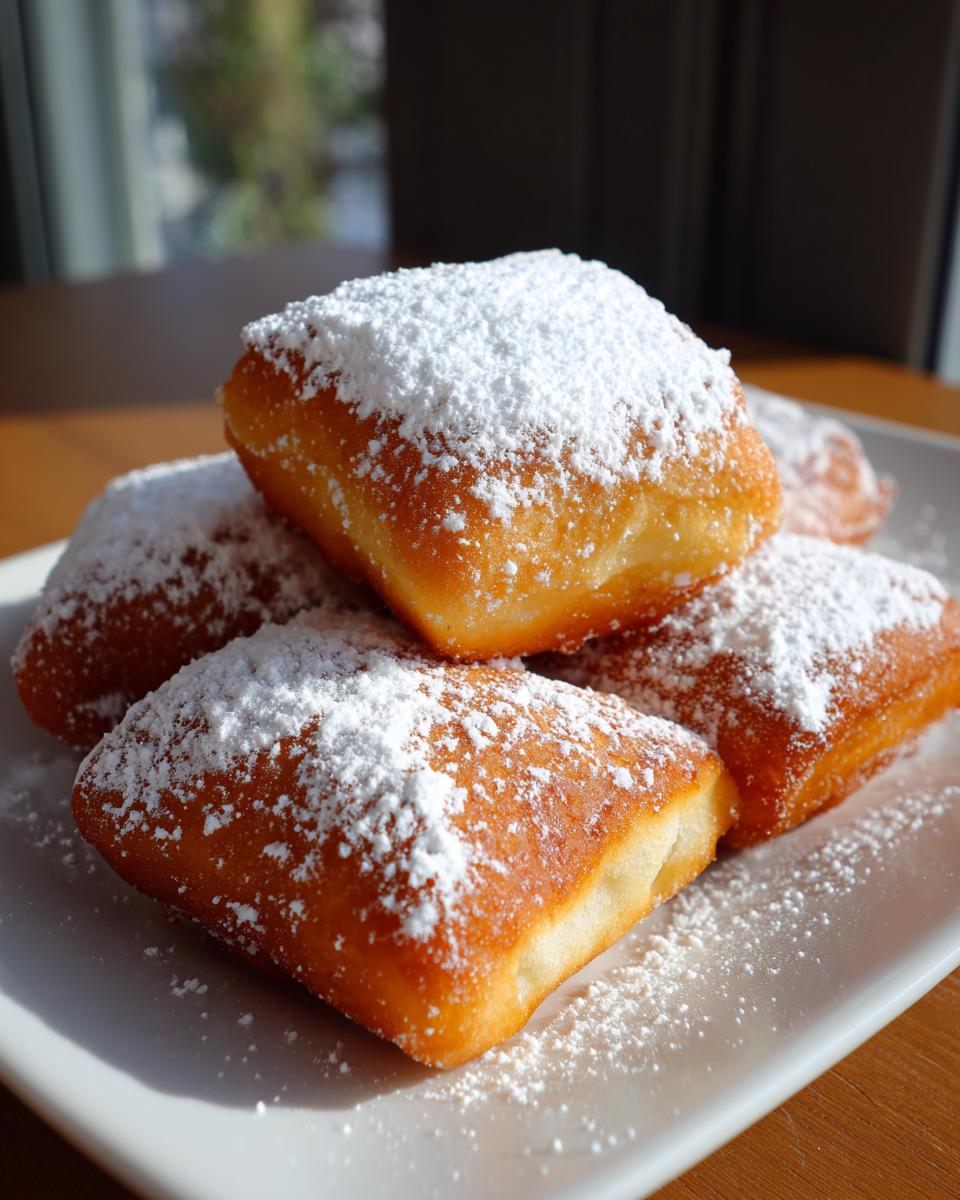
The Essential Rise Time for Your Vanilla French Beignets Dough
This is the magic part where volume comes from! Pop that sticky dough into an oiled bowl, cover it tight, and let it chill out in a warm spot for at least an hour, maybe more, until it’s doubled. This long, slow rise is exactly what builds those airy structures, turning it into those heavenly pillowy homemade treats.
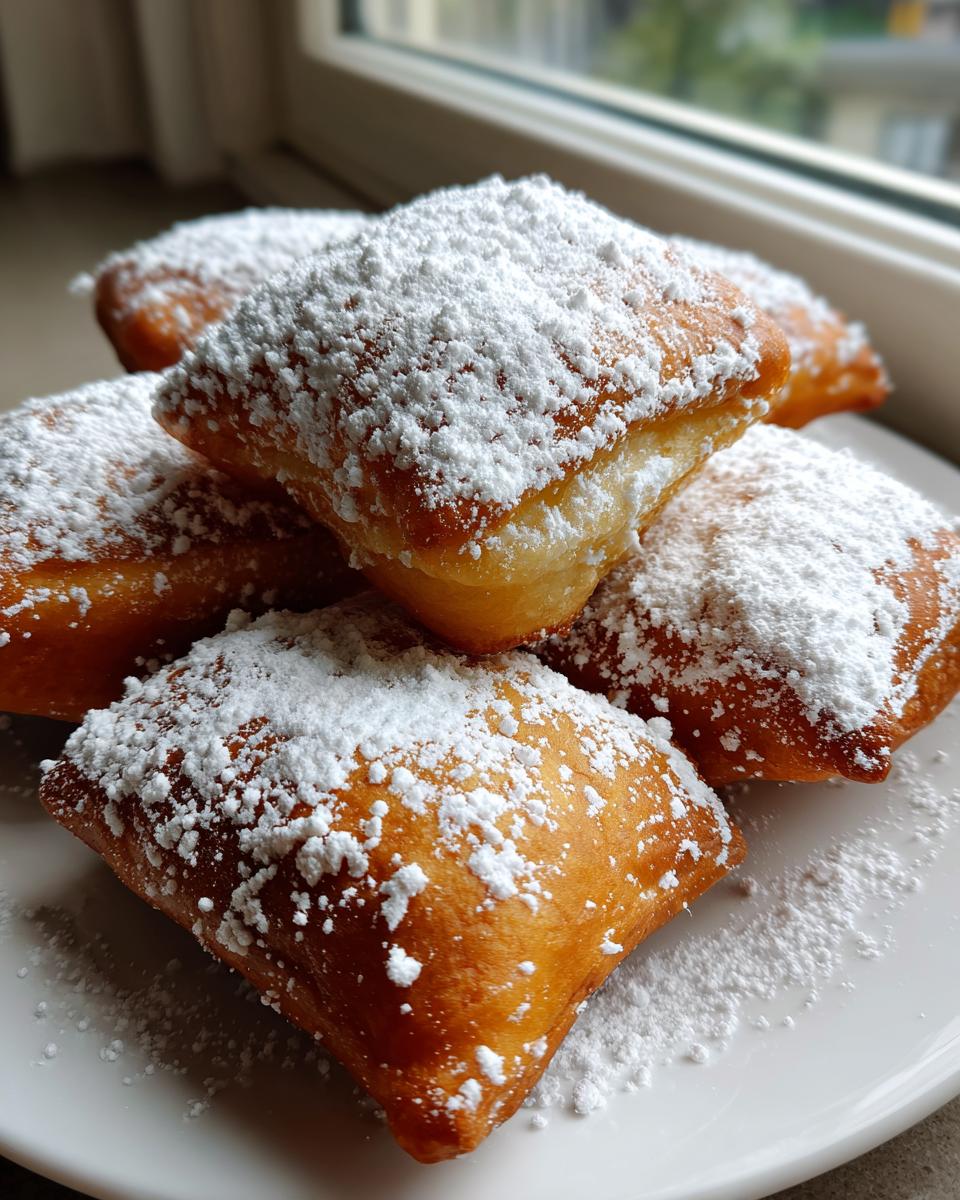
Cutting and Frying Your Vanilla French Beignets to Golden Perfection
Punch that beautiful dough down gently—don’t deflate it all at once! Roll it out to about a quarter-inch thick and cut out those squares. Here is my non-negotiable rule: Your oil has to be exactly 375°F (190°C). Seriously, use a thermometer; if it’s too cool, they soak up oil and get heavy. Drop them in batches—don’t overcrowd the pot! Fry them for just 1 to 2 minutes per side until they puff up and turn a gorgeous golden color. Knowing your oil temperature is key; it’s almost as important as knowing how to eyeball sugar when I make easy fudge recipe without a thermometer!
Finishing Touches: Dusting Your Homemade Vanilla Pastries
Quickly move those fried squares onto paper towels or a wire rack to drain off any excess oil. They must still be warm when you do this next step! Grab your bowl of powdered sugar and dust them generously, covering every side. That warm, soft dough drinking up that sweet powder is the best sight you’ll see all day. Enjoy immediately!
Beignet Making Tips for Authentic Vanilla French Beignets
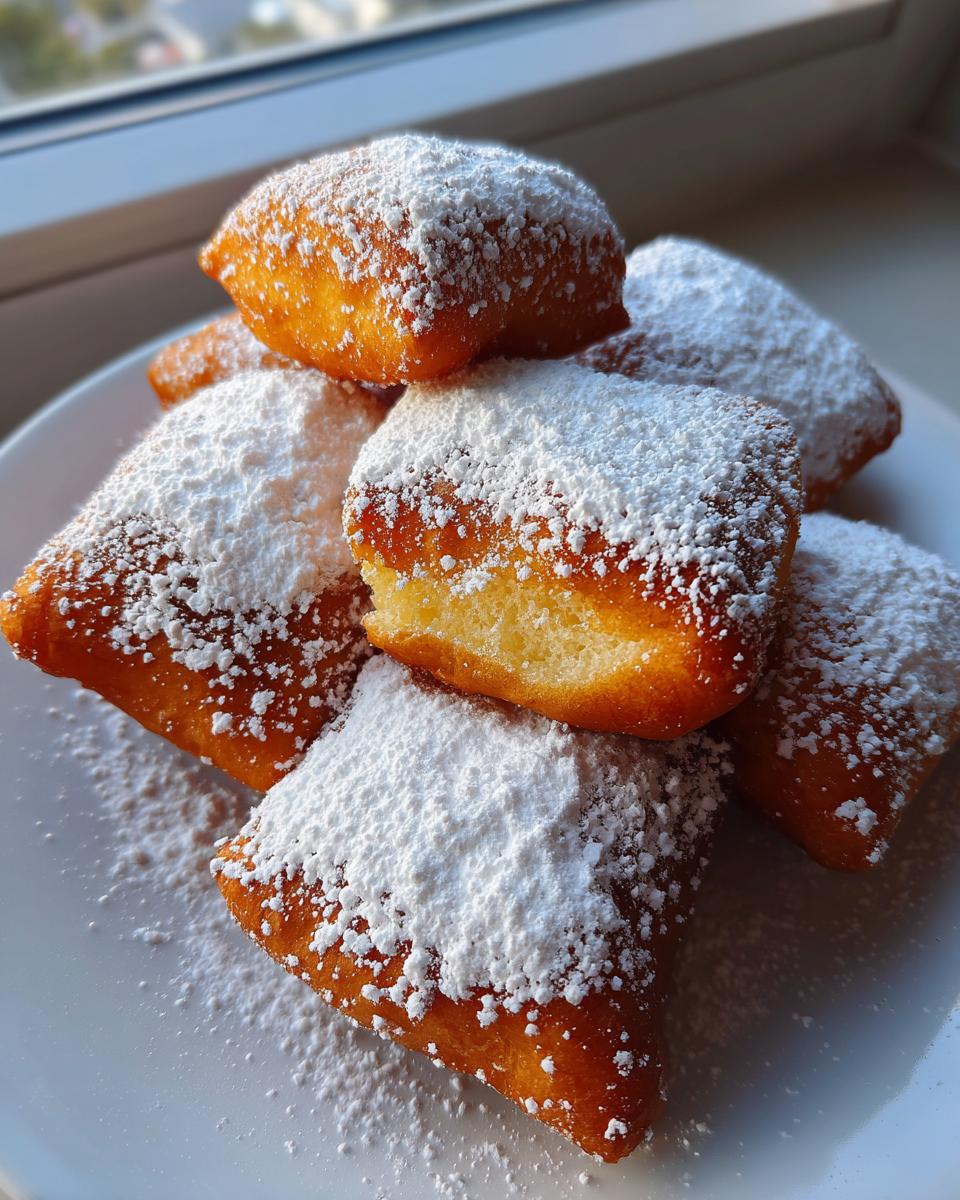
You’ve made the dough, you’ve waited patiently, and now you want to make absolutely sure these vanilla french beignets come out like they’re straight from that famous New Orleans cafe—or even better! I’ve compiled the key lessons I learned testing this recipe over and over. These tips ensure you get that light, crispy exterior and fluffy middle every single time.
First, let’s talk about that vanilla flavor. For the absolute best result, skip imitation stuff and opt for pure vanilla extract or, if you are feeling fancy for a special occasion, use real vanilla bean paste. It really deepens the flavor profile of these homemade vanilla pastries.
The most important technique, though, is temperature control, which you can read more about over at Tastie Eats if you need another perspective. You must keep your oil right in that working window—between 365°F and 375°F. If it dips too low, your beautiful dough turns into a greasy, heavy sponge, and we sure don’t want that! If it’s too hot, they brown instantly before the inside cooks.
Also, think about the topping. While the traditional dusting of powdered sugar is my go-to, sometimes I mix a little milk into the powdered sugar for a thin vanilla glaze. That works great if you prefer a wetter coating over the classic dry-dusting approach. If you’re looking for another easy, sweet treat to master, you absolutely must try my mini pecan pies!
Serving Suggestions for Your Sweet Snack Recipes
Listen, once these vanilla french beignets come out of the oil, they are meant to be eaten immediately—that’s the rule! They are wonderful on their own practically swimming in powdered sugar, but they really shine when paired with the right beverage. If you want the truly classic café experience, you absolutely must serve these alongside a strong, dark roast coffee or a beautiful, foamy café au lait.
They also make an amazing brunch star! I often serve them alongside softer items, like these cinnamon sugar french toast muffins, so everyone has options. Honestly, though, if you made a quick vanilla dipping sauce (just powdered sugar, a splash of milk, and more vanilla!), they disappear even faster. They are truly perfect for any sweet moment!
Storage and Reheating Instructions for Leftover Vanilla French Beignets
Now, let’s be serious. The best batch of vanilla french beignets is the one eaten seconds after they come out of the oil, piled high with powder. But hey, sometimes life happens! If you’ve got any of these sweet snack recipes left over, don’t panic.
First rule: Skip the fridge! Cold dulls that wonderful bread texture we worked so hard to achieve. Keep them in an airtight container on the counter for maybe a day—no longer than that, please! They definitely taste best on day one.
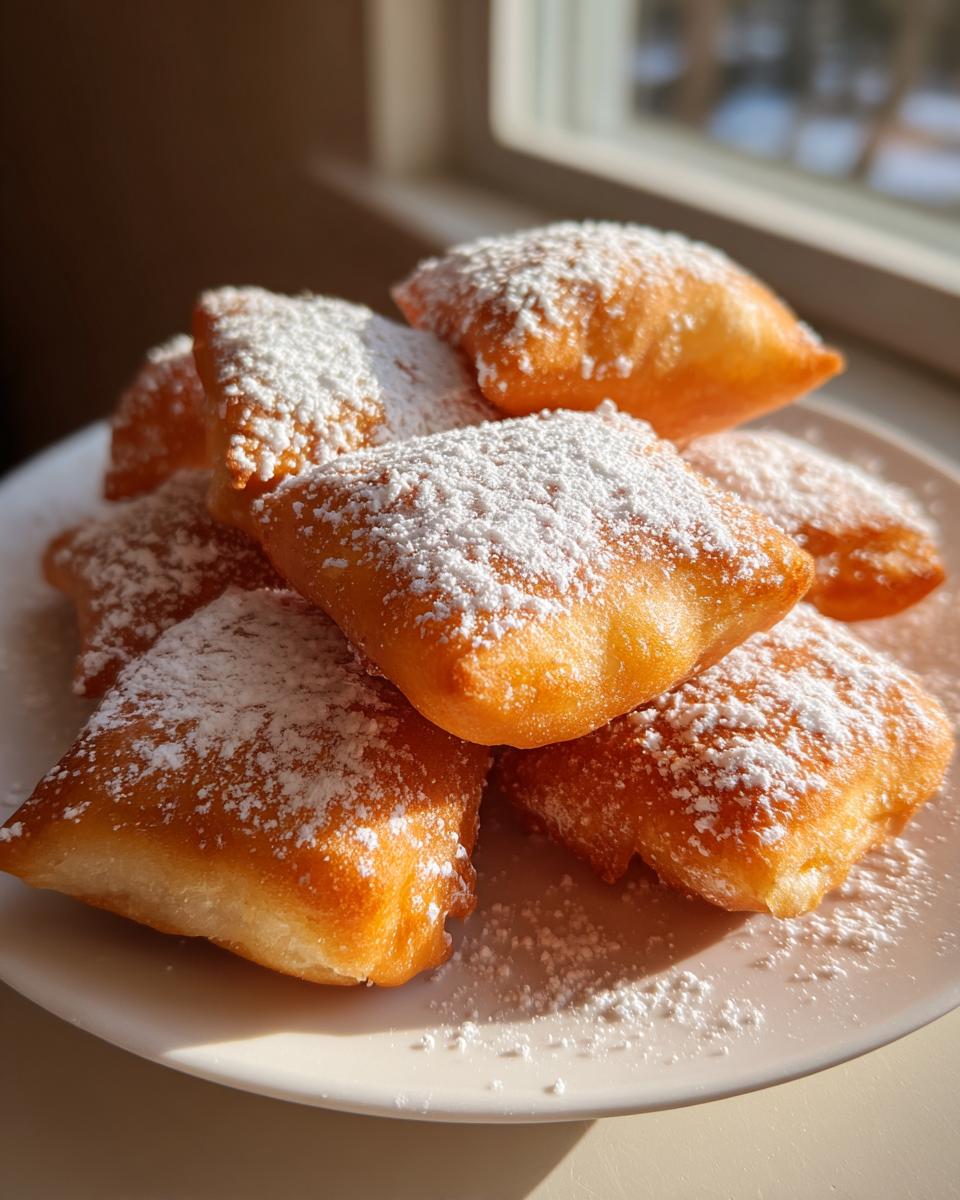
If you must reheat them to bring back some life, I found the best trick is a quick burst in the oven. Pop them on a baking sheet at about 350°F (175°C) for about 5 minutes. This crispens the outside again before you dust them with fresh powdered sugar. If you’re a fan of sweet and salty combos, you can practice that reheating technique on my easy toffee pretzels, too!
Frequently Asked Questions About Making Vanilla French Beignets
I love getting your questions! It means you’re getting into the kitchen, and that’s what this is all about. When dealing with yeast dough pastries like these, people always have specific concerns about getting that perfect puffiness. Here are the top things I hear! If you’re looking for more ways to wow your guests with amazing endings, take a peek at my favorite best dessert recipes roundup. And hey, while we are talking savory treats for a change of pace, check out how I handle easy chicken cheese chimichangas!
Can I use baking powder instead of yeast in this French Beignets Recipe?
That’s a great question! For these specific vanilla french beignets, I really push the yeast because that’s how you get that truly authentic, light, melting texture. Using baking powder will give you technically fried dough, but it won’t have the same airy structure; it will be closer to a donut. If you need something faster, I highly recommend looking up a dedicated quick-leavened recipe, but for this one, stick to the yeast for the best result!
How do I prevent my vanilla french beignets from becoming greasy?
Greasy beignets are the absolute worst, and it always comes down to one thing: oil temperature. Remember what I stressed in the instructions? You must keep your oil right between 365°F and 375°F. If the temperature drops, the dough soaks up oil instead of puffing up quickly. Keep that thermometer handy! You can see a great resource on achieving this consistently over at The Kitchn for general beignet success.
What is the best time of day to serve Breakfast Beignets?
While they are fantastic as breakfast beignets, honestly, these are great anytime! Serve them piping hot for brunch when everyone is gathered. But really, they make an elevated dessert after a fancy meal, or even just a cozy, sweet snack in the afternoon with tea. They are one of those versatile homemade vanilla pastries that fit whatever your schedule demands!
Nutritional Estimate for Your Pillowy Homemade Treats
Now, I know we aren’t making these vanilla french beignets because we are counting calories—these are treats meant for joy and indulgence! But, since we believe in full transparency here at Cookery Command, I want to give you a general idea of what’s in a standard serving based on the recipe.
Remember, because these are deep-fried and heavily dusted with that glorious powdered sugar, the numbers lean toward the decadent side. If you’ve been looking for something lighter, you might want to check out my tips for easy healthy homemade salad dressing recipes for a palate cleanser!
Here is the breakdown for a serving size of 2 beignets, but please keep in mind these are just estimates, as variations in frying oil absorption and how heavily you dust them will change the final numbers!
- Serving Size: 2 beignets
- Calories: 320
- Sugar: 15g
- Sodium: 180mg
- Fat: 16g (Saturated Fat: 5g)
- Carbohydrates: 40g
- Protein: 5g
Always take these figures with a grain of salt—or perhaps a mountain of powdered sugar! They are meant to guide you, not restrict the pure joy of eating these pillowy homemade treats.
Share Your Experience with Our Vanilla French Beignets
That’s it! You’ve done it! You’ve successfully commanded your kitchen and made amazing vanilla french beignets! I absolutely love hearing about your successes. Did they bake up perfectly pillowy? Did you dust them so high with sugar you couldn’t see the dough?
Please leave a quick rating below and tell me all about it in the comments. If you snapped a photo of your golden fried dough, I’d love to see it! We share lots of behind-the-scenes snapshots over on our About Page—come join the conversation and let me know when you’re whipping up your next batch!
PrintAuthentic Fluffy Vanilla French Beignets
Make light, airy French beignets at home, infused with rich vanilla flavor and dusted generously with powdered sugar. This recipe delivers the classic, melt-in-your-mouth texture you expect from a Parisian café.
- Prep Time: 25 min
- Cook Time: 15 min
- Total Time: 100 min
- Yield: About 18 beignets 1x
- Category: Dessert
- Method: Deep Frying
- Cuisine: French
- Diet: Vegetarian
Ingredients
- 1 cup warm water (110°F or 43°C)
- 1/4 cup granulated sugar
- 1 packet active dry yeast (about 2 1/4 teaspoons)
- 2 large eggs
- 1/2 cup whole milk
- 1/2 cup unsalted butter, melted
- 1 teaspoon pure vanilla extract
- 4 cups all-purpose flour
- 1/2 teaspoon salt
- Vegetable oil, for frying
- Powdered sugar, for dusting
Instructions
- Combine the warm water and granulated sugar in a large bowl. Sprinkle the active dry yeast over the top. Let this mixture sit for 5 to 10 minutes until it becomes foamy. This shows the yeast is active.
- Whisk the eggs, milk, melted butter, and vanilla extract into the yeast mixture until combined.
- In a separate bowl, whisk together the all-purpose flour and salt.
- Gradually add the dry ingredients to the wet ingredients, mixing until a soft, sticky dough forms. You may not need all the flour.
- Turn the dough out onto a lightly floured surface. Knead gently for about 5 minutes until the dough is smooth. It will remain slightly tacky.
- Place the dough in a lightly oiled bowl, turning to coat. Cover the bowl with plastic wrap or a clean towel. Let the dough rise in a warm place for 1 to 1.5 hours, or until it has doubled in size.
- Gently punch down the risen dough. On a lightly floured surface, roll the dough out to about 1/4 inch thickness.
- Use a sharp knife or pizza cutter to cut the dough into 3-inch squares.
- Pour vegetable oil into a deep, heavy-bottomed pot or deep fryer to a depth of about 2 inches. Heat the oil to 375°F (190°C). Use a thermometer to monitor the temperature closely.
- Carefully drop 3 or 4 dough squares into the hot oil, ensuring you do not overcrowd the pot. Fry for 1 to 2 minutes per side, turning once, until they are puffed and golden brown.
- Use a slotted spoon to remove the beignets from the oil. Place them on a wire rack lined with paper towels to drain excess oil.
- While the beignets are still warm, generously dust them with powdered sugar. Serve immediately for the best texture.
Notes
- For the best flavor, use real vanilla bean paste or extract in the dough.
- Maintain the oil temperature between 365°F and 375°F. If the oil is too cool, the beignets will absorb too much oil and become greasy. If it is too hot, they will brown before cooking through.
- You can use a simple glaze made from powdered sugar and milk instead of dry dusting if you prefer a wetter coating.
Nutrition
- Serving Size: 2 beignets
- Calories: 320
- Sugar: 15
- Sodium: 180
- Fat: 16
- Saturated Fat: 5
- Unsaturated Fat: 11
- Trans Fat: 0
- Carbohydrates: 40
- Fiber: 1
- Protein: 5
- Cholesterol: 55