

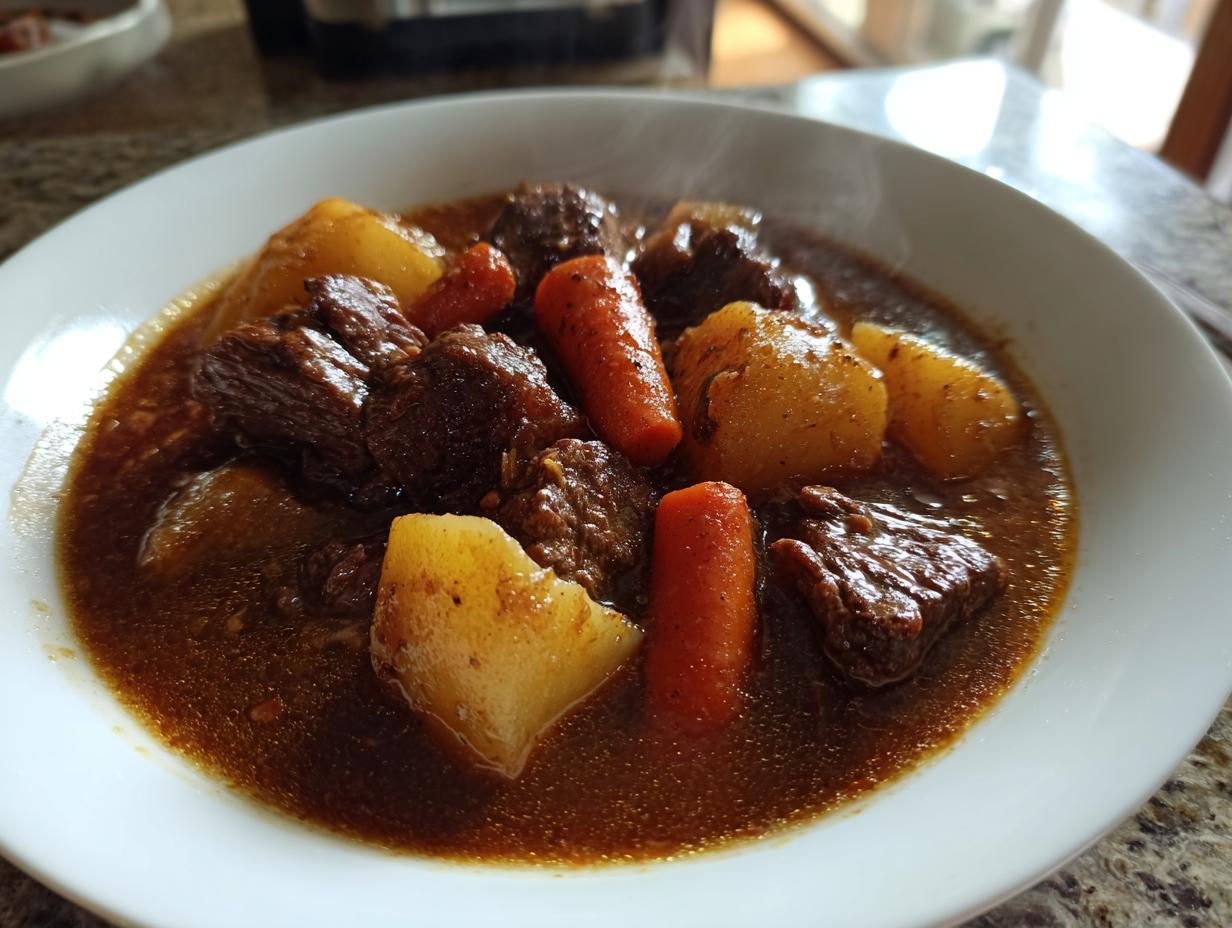
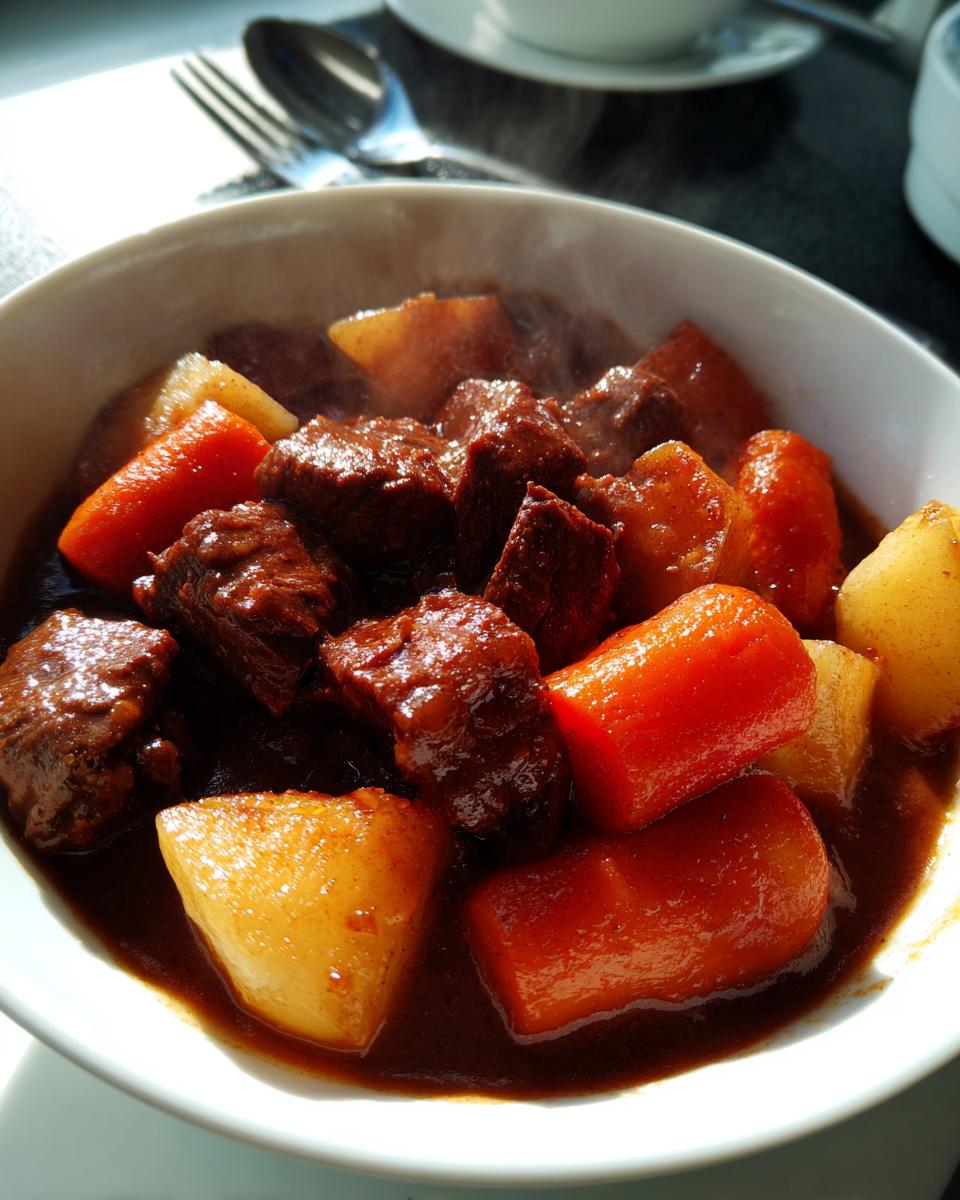
When the wind starts howling outside and the days get short, there’s only one dish that truly feels like a warm hug from the inside out: a big, bubbling pot of beef stew. Growing up in my family’s kitchen in Ohio, I learned early on that food is memory waiting to happen. This Classic Beef Stew Recipe isn’t just about throwing meat and veggies together; it’s about taking the time-honored traditions of slow cooking and pairing them with the precise techniques I picked up in my test kitchen days. We honor the old ways here, ensuring every single chunk of beef is fork-tender and the gravy is as rich and savory as you can imagine. If you love that deep, comforting flavor, you might also want to check out my recipe for easy beef noodle soup! Trust me, this is the definition of winter dinner ideas done right.
- Why This Classic Beef Stew Recipe Delivers Comfort
- Essential Ingredients for Your Hearty Beef Stew
- How to Prepare This Classic Beef Stew Recipe on the Stovetop
- Adapting Your Beef Stew for Other Appliances
- Tips for the Best Beef Stew Recipe Success
- Serving Suggestions for Your Family Meal Stew
- Frequently Asked Questions About This Hearty Beef Stew
- Nutritional Estimates for This Comfort Food Stew
- Share Your Homemade Beef Stew Experience
- Serving Suggestions for Your Family Meal Stew
- Frequently Asked Questions About This Hearty Beef Stew
- Nutritional Estimates for This Comfort Food Stew
- Share Your Homemade Beef Stew Experience
Why This Classic Beef Stew Recipe Delivers Comfort
When you’re looking for the absolute best in comfort food, you need reliability. My whole goal here at Cookery Command is to make sure you hit that satisfying, nostalgic flavor every single time you cook. This particular beef stew recipe is built on two pillars of perfection that I just won’t compromise on. If you’re interested in perfecting creamy dishes next, you should see my guide on peppercorn sauce!
- It delivers that legendary fork tender beef stew you dream about.
- The final result is a deeply savory, luscious rich gravy stew that coats every vegetable perfectly.
Achieving Fork Tender Beef Stew
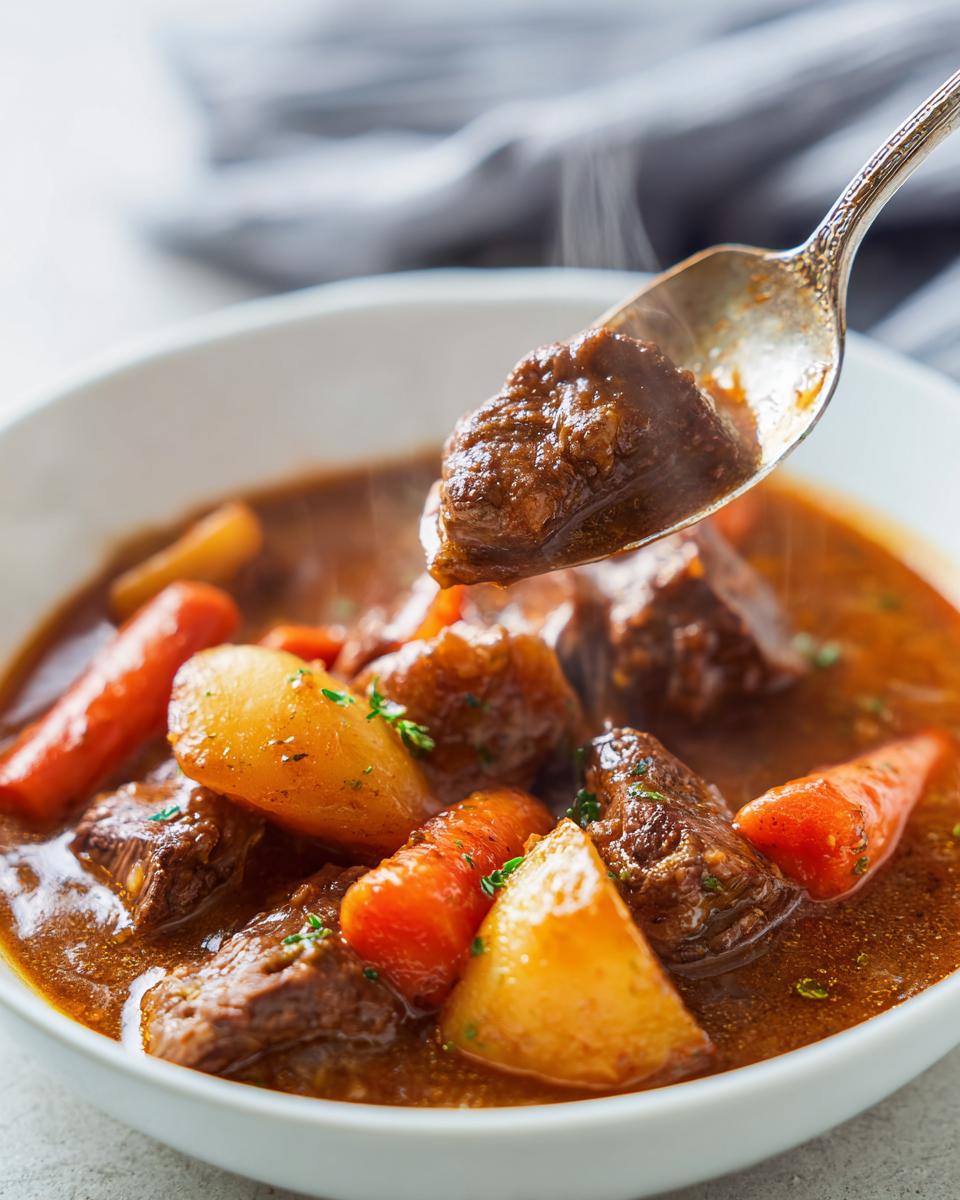
That fall-apart texture? That doesn’t happen by accident! We use beef chuck because it has loads of connective tissue, or collagen. When you let that cook low and slow on the stovetop for hours, that tough collagen breaks down into gelatin. That’s the secret! It melts into the liquid and gives you that wonderful melt-in-your-mouth quality instead of chewy bites. It takes patience, but wow, is it worth it.
The Rich Gravy Stew Base
A great stew starts long before you add the liquid. Seriously, don’t skimp on searing the beef! Those dark brown bits left in the bottom of the pot after you brown the meat are pure gold. That’s where the depth comes from. When we deglaze with that optional red wine and then whisk in the tomato paste, we scrape up all those amazing layers of flavor. That’s the foundation for that incredibly savory, rich gravy you’ll be spooning onto everything.
Essential Ingredients for Your Hearty Beef Stew
When we talk about a truly hearty beef stew, we’re talking about quality building blocks. No shortcuts here if we want that classic, old-fashioned flavor! Every item listed below has a specific job to do that contributes to the wonderful texture and that deeply savory broth. I’ve laid out exactly what you need and how it should be prepped so your stew is guaranteed to be a winner, just like the stuff I grew up with.
Selecting the Best Beef for Your Beef Stew
The absolute star here is the meat, and I always, always reach for beef chuck, usually cut into about 1.5-inch cubes. You might see stew meat already cut up, but I prefer buying a roast and cubing it myself. Why chuck? Because it has the right amount of fat marbled throughout, and it’s got that tough connective tissue we talked about. Leaner cuts, like sirloin, just dry out on the stove. Chuck holds up to the long cooking time and transforms into that incredible, fork tender beef stew texture. You’ll need about 2.5 pounds for this batch, seasoned generously with salt and pepper, and then dusted lightly with flour before it hits the heat.
Vegetable Components and Broth
For the vegetables, we stick to the classics because they hold their shape but still cook down beautifully. You need carrots and celery, both of which I cut into rough 1-inch pieces—we don’t want tiny bits floating around! Potatoes are non-negotiable for a proper beef stew; I use Yukon Golds because they don’t fall apart quite as easily as Russets, cut into quarters if they are medium-sized. Then there’s the liquid magic! We use four cups of good beef broth, but if you want that incredible depth that makes people ask, “What did you put in this?” use a cup of dry red wine (like a Cabernet Sauvignon) to deglaze the pan. If you skip the wine, just use an extra cup of broth, but trust me, the wine really enhances the richness of the final beef stew.
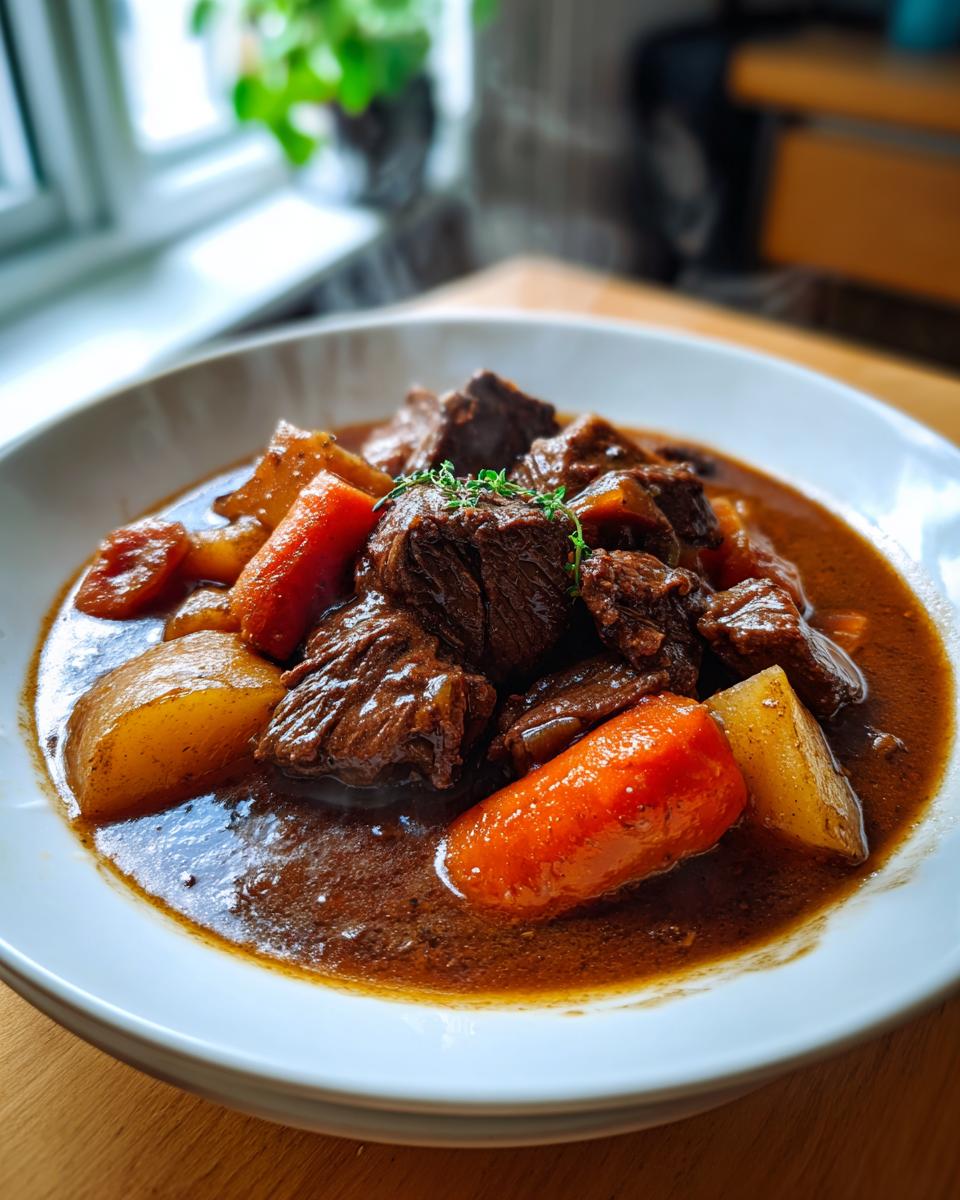
Don’t forget your aromatics! Onions chopped until they’re soft and garlic minced right before going in build the next flavor layer. If you want to explore more about getting potatoes just perfect in any context, check out my guide on ultimate crispy roast potatoes!
How to Prepare This Classic Beef Stew Recipe on the Stovetop
You’ve got your beautiful chuck roast, your chopping board is prepped, and your big Dutch oven is waiting. This is where the real magic happens, transforming simple ingredients into that iconic, deeply flavored beef stew. Because we are going stovetop, we have total control over the heat, which is key for getting that sear just right. Don’t rush this process, even though it takes a while! Treat the browning and the long simmer with respect, and you’ll have a meal that tastes like it cooked all day long. When you are ready to make caramelized onions next time, you should bookmark my guide on caramelized onions!
Browning the Beef and Building Flavor
Step one is crucial: moisture is the enemy of a good sear! You must pat those beef cubes aggressively dry with paper towels. Seriously, get them bone dry. Toss them with the salt, pepper, and flour until they look lightly dusty. Now, heat up two tablespoons of olive oil in your heavy Dutch oven over medium-high heat. You’re looking for shimmer—that’s how you know it’s hot enough. Brown the beef in small batches, maybe four or five pieces at a time. If you crowd the pot, the temperature drops, and the meat steams instead of searing. We want rich brown crusts on all sides! Don’t skimp here; this step is what sets up your entire Classic Beef Stew Recipe.
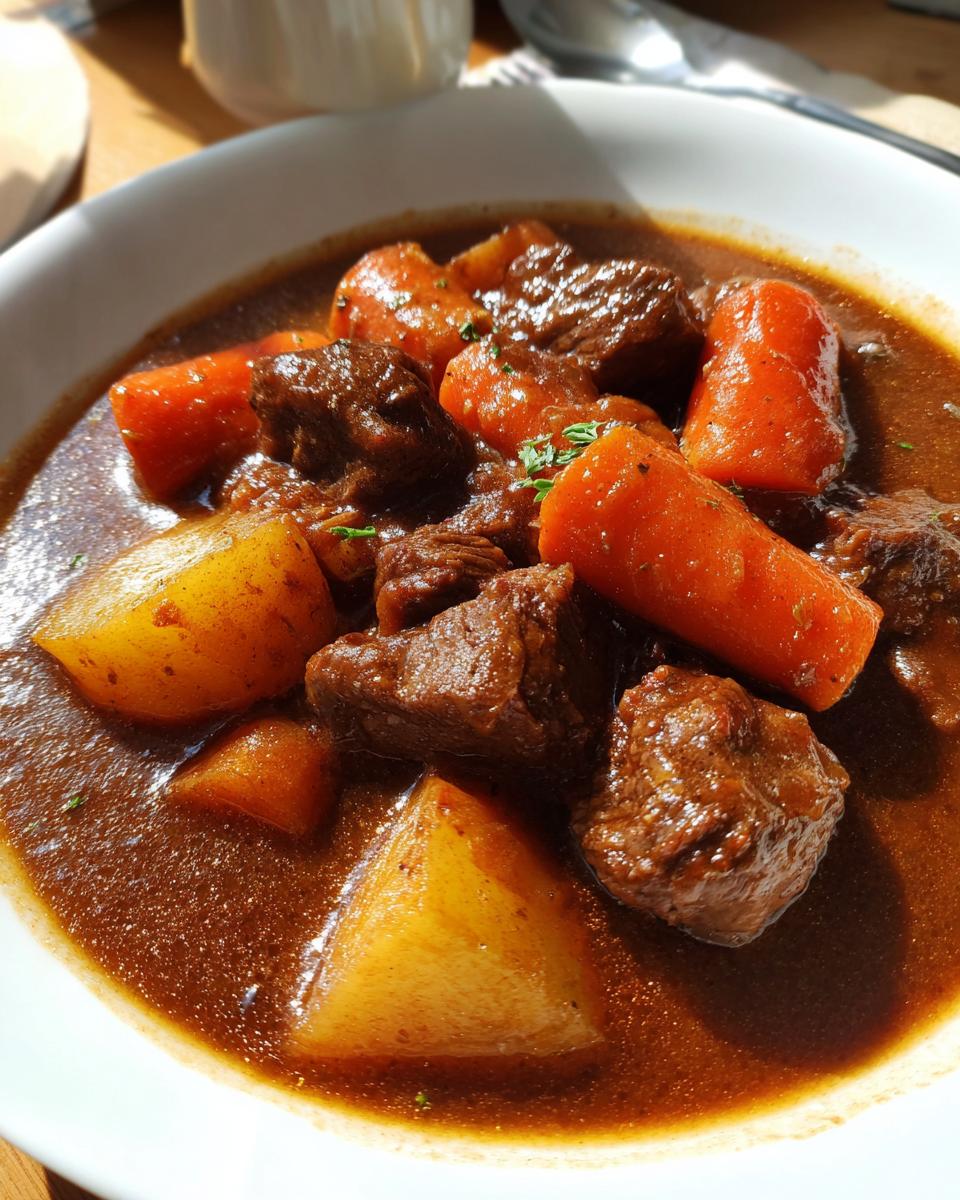
Once that beef is beautifully browned, pull it out and set it aside. Now drop in your chopped onion and let it soften up for about five minutes. Toss in the garlic until you can smell it—maybe 60 seconds. Then, smash in the tomato paste and cook it for a minute just to wake up its flavor profile. If you’re using that red wine, this is the time to pour it in and scrape up all those dark, delicious bits stuck to the bottom of the pot. Let that wine bubble hard for a few minutes until it looks reduced. Then, welcome the beef back home! Add your broth, Worcestershire, thyme, and the bay leaf. Give it a gentle stir.
Simmering for Tender Beef Stew
Once everything is mingling, bring the whole thing up to a gentle simmer. Don’t let it go crazy—just a little happy bubbling action. Right now, cover the pot, turn the heat way down so it’s just ticking along, and let it cook for one hour and a half. This long soak is what starts breaking down those tough muscle fibers. After 90 minutes, the beef should already feel softer if you poke it.
Time for the vegetables! Gently nestle in your cut carrots, celery, and those quartered potatoes. Give it one last gentle stir so they sink down a bit, cover it back up, and let it simmer quietly for another 45 to 60 minutes. You’ll know it’s ready when the potatoes are soft, and testing a piece of beef with a fork takes zero effort. That’s your target for a perfect tender beef stew.
Thickening the Rich Gravy Stew
Before you serve, you need that luscious, thick gravy! Don’t just dump flour in, or you’ll end up with sticky white clumps everywhere—nobody wants that in their beef stew. Take one tablespoon of cornstarch and mix it with two tablespoons of *cold* water in a separate little bowl until it looks like thin milk. This is your slurry.
Take the bay leaf out—we don’t want anyone biting into that! While the rich gravy stew is still gently simmering, slowly pour in that cold cornstarch slurry while stirring constantly. Keep stirring for about two or three minutes. You will see the stew almost immediately start to thicken and get glossy. Keep tasting and adding a little salt or pepper if the flavor needs a lift. You can look up other stovetop methods, like learning about a classic roux, over at this Dutch Oven Beef Stew recipe, but the slurry is fast and reliable right at the end!
Adapting Your Beef Stew for Other Appliances
Now, I know what some of you are thinking: “Emily, I love this beef stew, but I just don’t have three hours to babysit a pot on the stovetop today!” Trust me, I get it. That’s why I made sure this recipe works just as beautifully when you let your appliances do the heavy lifting. Whether you’re leaning on the convenience of the Crock Pot for a busy work week or you want to use the Instant Pot for speed, the foundational flavors we built—the browning of the meat and the savory aromatics—are essential no matter what.
If you ever make soup in a slow cooker, you should definitely check out my recipe for crockpot cheeseburger soup—it’s pure comfort!
Slow Cooker Beef Stew Instructions
The slow cooker is your best friend if you want that minimal prep time. The steps are almost identical to the stovetop version right up until the simmering stage. You absolutely must still brown your beef and sauté your onions and garlic first! If you skip that part, your final beef stew will taste watery instead of rich. I promise you, those initial 15 minutes of searing are non-negotiable for that classic flavor payoff.
After you’ve browned the beef, sautéed your onion/garlic, and added the tomato paste: simply transfer everything—the beef, the sautéed bits, the broth, wine, Worcestershire, thyme, and bay leaf—right into your slow cooker or Crock Pot. Don’t worry, we skip the cornstarch slurry for now!
Set it and forget it! Cook this hearty beef stew on LOW for 7 to 8 hours, or if you’re short on time, you can use HIGH for about 4 hours. When the liquid seems right and the beef is tender, remove the bay leaf. If you want that thicker gravy we achieved on the stovetop, make your cornstarch slurry and stir it in right before serving. Let it cook on HIGH for another 20 or 30 minutes until it’s nice and thick. It turns out wonderfully fork tender every time!
Tips for the Best Beef Stew Recipe Success
Okay, now that you have the full rundown on how to nail this beef stew flavor profile on the stovetop—or even in the Crock Pot—I want to share a few final tricks that I’ve picked up over the years. Cooking is science, and paying attention to these little details makes the difference between a *good* stew and the kind of Old Fashioned Beef Stew that makes people ask for your recipe card immediately! These tips are about maximizing flavor and ensuring you get that fantastic texture we talked about.
Ingredient Notes and Substitutions
Let’s talk texture and thickening one more time, because this is where folks sometimes trip up when making a hearty beef stew. Remember how I pushed for the beef chuck? That’s because it needs that connective tissue to melt. If you try to use something lean like flank steak, you’ll end up with dry, stringy meat, no matter how long you simmer it. Stick to the chuck, it holds up to the long cooking time!
For thickening, we used the cornstarch slurry because it’s quick and it gives you that glossy, clear finish to your gravy. But if you want a thicker, more opaque, almost matte gravy—which is very traditional in some older recipes—you have another option. Right before you add your liquid in step four, you can make a quick roux. Whisk two tablespoons of flour into the fat left in the pot with your onions and garlic before adding the wine or broth. Cook that flour mixture for a minute until it’s golden brown, and then proceed with the recipe. That roux will naturally thicken your rich gravy stew beautifully as it simmers. It’s a slightly different technique, but it works wonders!
If you want to see how they handle thickening savory sauces over at The Stay At Home Chef’s old-fashioned beef stew, it’s a great cross-reference!
Make-Ahead and Storage for Beef Stew
Here is my absolute favorite secret about almost any slow-cooked dish, especially this beef stew: it is 100% better the next day. I know it’s hard waiting when that amazing aroma is filling your house, but if you can let it rest overnight in the fridge, the flavors have a chance to really marry and deepen. The thyme and bay leaf continue to infuse the liquid, and that gravy settles around the vegetables and beef perfectly.
Storage is easy! Once cooled, keep your leftovers in an airtight container in the fridge for up to four days. When you reheat it on the stovetop, add a splash of extra broth or water because it will thicken up significantly as it cools. It freezes like a dream too! If you are freezing it, go ahead and freeze it *before* you thicken it with the slurry if you plan to freeze huge batches, or just freeze it as is and add a bit more liquid upon reheating later on. It’s the perfect, easily reheated winter dinner idea.
When you’re done with savory comfort meals, you might want something sweet. My recipe for easy fluffy homemade marshmallows is the perfect follow-up!
Serving Suggestions for Your Family Meal Stew
Making a huge, family meal stew like this means you need the perfect vehicle to scoop up every last drop of that glorious gravy. You can certainly just eat it as is—it’s a complete meal with the beef and potatoes—but serving it right truly elevates the experience. My family always demands something crusty for dipping, which is non-negotiable in my book!
You absolutely must have bread on the table. We love big, thick slices of rustic sourdough toasted lightly, or even better, fresh dinner rolls. The key is having something sturdy that won’t immediately dissolve when dipped into that thick, savory broth. If you’re making your rolls from scratch, you have to try my recipe for easy soft fluffy bread; it comes out so tender and perfect for sopping up every bit of that rich gravy stew.
If you want to add a slight fresh counterpoint to the richness, a simple green salad dressed with a bright, homemade vinaigrette—you can find my favorite easy homemade salad dressing recipes here—is a lovely way to balance the heavy winter flavors.
Frequently Asked Questions About This Hearty Beef Stew
Can I use frozen vegetables in my beef stew?
You absolutely can, especially if you’re relying on this for a busy weeknight! The key with frozen vegetables for any beef stew is timing. You toss them in during the last 20 to 30 minutes of cooking, right when you add the potatoes and carrots, or even just after the potatoes are mostly soft. If you add frozen carrots or peas right at the beginning with the raw beef, they will break down into mush long before your beef gets fork tender.
What is the best cut of meat for a Tender Beef Stew?
Without a doubt, you need beef chuck roast or a good quality pre-cut stew meat that is visibly marbled. These cuts have the necessary collagen. Leaner cuts just won’t break down properly under the long, gentle simmer required to make a truly tender beef stew. Think tough cuts that need a long time to become luxurious!
How do I make the gravy thicker without cornstarch?
We already talked about using a flour-based roux way back when we discussed ingredient substitutions, which is the traditional way to create a fantastic thick gravy stew! To recap: whisk equal parts flour and fat (like the olive oil or butter you used) together in the pot after searing the meat but before adding the liquid. Cook that paste for about a minute, then proceed normally. That flour cooks out its raw taste, leaving you with a beautifully thickened sauce.
Nutritional Estimates for This Comfort Food Stew
Because I’m passionate about nutrition as well as flavor, I broke down the numbers for this Comfort Food Stew. Remember, these are just estimates based on the ingredients listed, and they can change wildly depending on the fat content of your beef and whether or not you use that optional red wine!
- Serving Size: 1 serving
- Calories: 480
- Sugar: 7g
- Sodium: 550mg
- Fat: 22g
- Saturated Fat: 8g
- Carbohydrates: 38g
- Protein: 35g
You’ll notice the protein count is high, which is what you expect from a proper beef stew. It’s a very balanced, satisfying meal!
Share Your Homemade Beef Stew Experience
I hope you feel ready to command your kitchen and make a big, comforting batch of this Classic Beef Stew Recipe this week! Nothing makes me happier than hearing about meals made with love and care. Did you try the stovetop version or sneak it into the slow cooker? Which ingredient made the biggest difference for you?
Please leave a rating below when you get a chance, and don’t be shy—tell me what you served alongside your stew! If you made any tweaks to the vegetables, I’d love to hear about them below. I’m always looking to jazz up my rotation. Next time you have a craving for something sweet after your savory meal, check out my recipe for easy fluffy homemade marshmallows!
Serving Suggestions for Your Family Meal Stew
Making a huge, family meal stew like this means you need the perfect vehicle to scoop up every last drop of that glorious gravy. You can certainly just eat it as is—it’s a complete meal with the beef and potatoes—but serving it right truly elevates the experience. My family always demands something crusty for dipping, which is non-negotiable in my book!
You absolutely must have bread on the table. We love big, thick slices of rustic sourdough toasted lightly, or even better, fresh dinner rolls. The key is having something sturdy that won’t immediately dissolve when dipped into that thick, savory broth. If you’re making your rolls from scratch, you have to try my recipe for easy soft fluffy bread; it comes out so tender and perfect for sopping up every bit of that rich gravy stew.
If you want to add a slight fresh counterpoint to the richness, a simple green salad dressed with a bright, homemade vinaigrette—you can find my favorite easy homemade salad dressing recipes here—is a lovely way to balance the heavy winter flavors.
Frequently Asked Questions About This Hearty Beef Stew
I know when you’re deep into making a classic, you often have little timing questions pop up. Don’t worry, that’s totally normal! I’ve gathered up the common sticking points folks have when pulling together their hearty beef stew so you can feel totally confident. We want rich gravy, tender beef, and zero fuss! If you are looking for a fresh side to go with this, you should check out my guide on easy healthy homemade salad dressing recipes to balance out the richness.
Can I use frozen vegetables in my beef stew?
You absolutely can, especially if you’re relying on this for a busy weeknight! The key with frozen vegetables for any beef stew is timing. You toss them in during the last 20 to 30 minutes of cooking, right when you add the potatoes and carrots, or even just after the potatoes are mostly soft. If you add frozen carrots or peas right at the beginning with the raw beef, they will break down into mush long before your beef gets fork tender.
What is the best cut of meat for a Tender Beef Stew?
Without a doubt, you need beef chuck roast or a good quality pre-cut stew meat that is visibly marbled. These cuts have the necessary collagen. Leaner cuts just won’t break down properly under the long, gentle simmer required to make a truly tender beef stew. Think tough cuts that need a long time to become luxurious!
How do I make the gravy thicker without cornstarch?
We already talked about using a flour-based roux way back when we discussed ingredient substitutions, which is the traditional way to create a fantastic thick gravy stew! To recap: whisk equal parts flour and fat (like the olive oil or butter you used) together in the pot after searing the meat but before adding the liquid. Cook that paste for about a minute, then proceed normally. That flour cooks out its raw taste, leaving you with a beautifully thickened sauce. You can also just remove the lid for the last 30 minutes of simmering and let some of the natural moisture evaporate. That concentrate thickens your rich gravy stew beautifully too!
Nutritional Estimates for This Comfort Food Stew
Because I’m passionate about nutrition as well as flavor, I broke down the numbers for this Comfort Food Stew. Remember, these are just estimates based on the ingredients listed, and they can change wildly depending on the fat content of your beef and whether or not you use that optional red wine! It’s good to know what you’re serving up, even when it’s pure indulgence like this beef stew.
- Serving Size: 1 serving
- Calories: 480
- Sugar: 7g
- Sodium: 550mg
- Fat: 22g
- Saturated Fat: 8g
- Trans Fat: 0.5g
- Carbohydrates: 38g
- Fiber: 6g
- Protein: 35g
- Cholesterol: 105mg
You’ll notice the protein count is high, which is what you expect from a proper, hearty beef stew. It’s a very balanced, satisfying meal that really sticks with you!
Share Your Homemade Beef Stew Experience
I truly hope you feel completely ready to command your kitchen and make a big, comforting batch of this beef stew this week! For me, recipes truly come alive when they leave my kitchen and land on yours. Nothing makes me happier than hearing about meals made with love and care, filling your house with that rich, savory beef smell.
Did you try the traditional stovetop simmer, or did you sneak it into the slow cooker for the day? Which ingredient—maybe the red wine or that little bit of Worcestershire—made the biggest flavor difference for you? I want to know all about it!
Please take a minute to leave a rating for this hearty beef stew recipe below with stars, and don’t be shy—tell me what you served alongside it! Maybe you made biscuits or grabbed some crusty bread. If you found that the beef was perfectly fork tender, shout it out! I love reading your kitchen stories.
And hey, when you are done with all that savory comfort food and you need a sweet contrast, you know where to find me! Check out my recipe for easy fluffy homemade marshmallows!
PrintClassic Stovetop Beef Stew: Fork-Tender Comfort Food
Make this hearty, classic beef stew on your stovetop for melt-in-your-mouth beef and a rich, savory gravy. This recipe delivers old fashioned comfort perfect for family dinners.
- Prep Time: 25 min
- Cook Time: 3 hours
- Total Time: 3 hours 25 min
- Yield: 6 servings 1x
- Category: Dinner
- Method: Stovetop
- Cuisine: American
- Diet: Low Calorie
Ingredients
- 2.5 lbs beef chuck, cut into 1.5-inch cubes
- 1 teaspoon salt
- 1/2 teaspoon black pepper
- 1/4 cup all-purpose flour
- 2 tablespoons olive oil
- 1 large yellow onion, chopped
- 2 cloves garlic, minced
- 4 cups beef broth
- 1 cup dry red wine (optional, substitute with more broth)
- 2 tablespoons tomato paste
- 1 tablespoon Worcestershire sauce
- 1 teaspoon dried thyme
- 1 bay leaf
- 3 medium carrots, peeled and cut into 1-inch pieces
- 3 celery stalks, cut into 1-inch pieces
- 1.5 lbs Yukon Gold potatoes, peeled and quartered
- 1 tablespoon cornstarch mixed with 2 tablespoons cold water (for slurry)
Instructions
- Pat the beef cubes dry with paper towels. In a bowl, toss the beef with salt, pepper, and flour until lightly coated.
- Heat the olive oil in a large Dutch oven or heavy-bottomed pot over medium-high heat. Brown the beef in batches, turning to brown all sides. Do not overcrowd the pot. Remove the browned beef and set it aside.
- Reduce the heat to medium. Add the chopped onion to the pot and cook until softened, about 5 minutes. Add the minced garlic and cook for 1 minute more until fragrant.
- Stir in the tomato paste and cook for 1 minute. Pour in the red wine (if using) and scrape up any browned bits from the bottom of the pot. Let the wine reduce by half, about 3 minutes.
- Return the beef to the pot. Add the beef broth, Worcestershire sauce, dried thyme, and bay leaf. Bring the mixture to a simmer.
- Once simmering, cover the pot, reduce the heat to low, and cook for 1.5 hours, stirring occasionally. The beef should start to become tender.
- Add the carrots, celery, and potatoes to the stew. Stir gently. Cover and continue to simmer for another 45 to 60 minutes, or until the vegetables are tender and the beef is fork-tender.
- Remove the bay leaf. Taste the stew and adjust salt and pepper if needed.
- In a small bowl, whisk together the cornstarch and cold water to create a slurry. Stir the slurry into the simmering stew. Cook for 2 to 3 minutes, stirring constantly, until the gravy thickens to your liking.
- Serve the hearty beef stew hot with crusty bread or dinner rolls.
Notes
- For a Slow Cooker adaptation: After browning the beef and sautéing the aromatics (Steps 1-3), combine all ingredients except the cornstarch slurry in the slow cooker. Cook on LOW for 7 to 8 hours or HIGH for 4 hours. Thicken with the slurry at the end.
- For best results in achieving melt-in-your-mouth beef, use beef chuck and allow the stew to simmer low and slow.
- If you prefer a richer gravy without cornstarch, remove the lid for the last 30 minutes of cooking to allow some liquid to evaporate.
Nutrition
- Serving Size: 1 serving
- Calories: 480
- Sugar: 7
- Sodium: 550
- Fat: 22
- Saturated Fat: 8
- Unsaturated Fat: 14
- Trans Fat: 0.5
- Carbohydrates: 38
- Fiber: 6
- Protein: 35
- Cholesterol: 105