

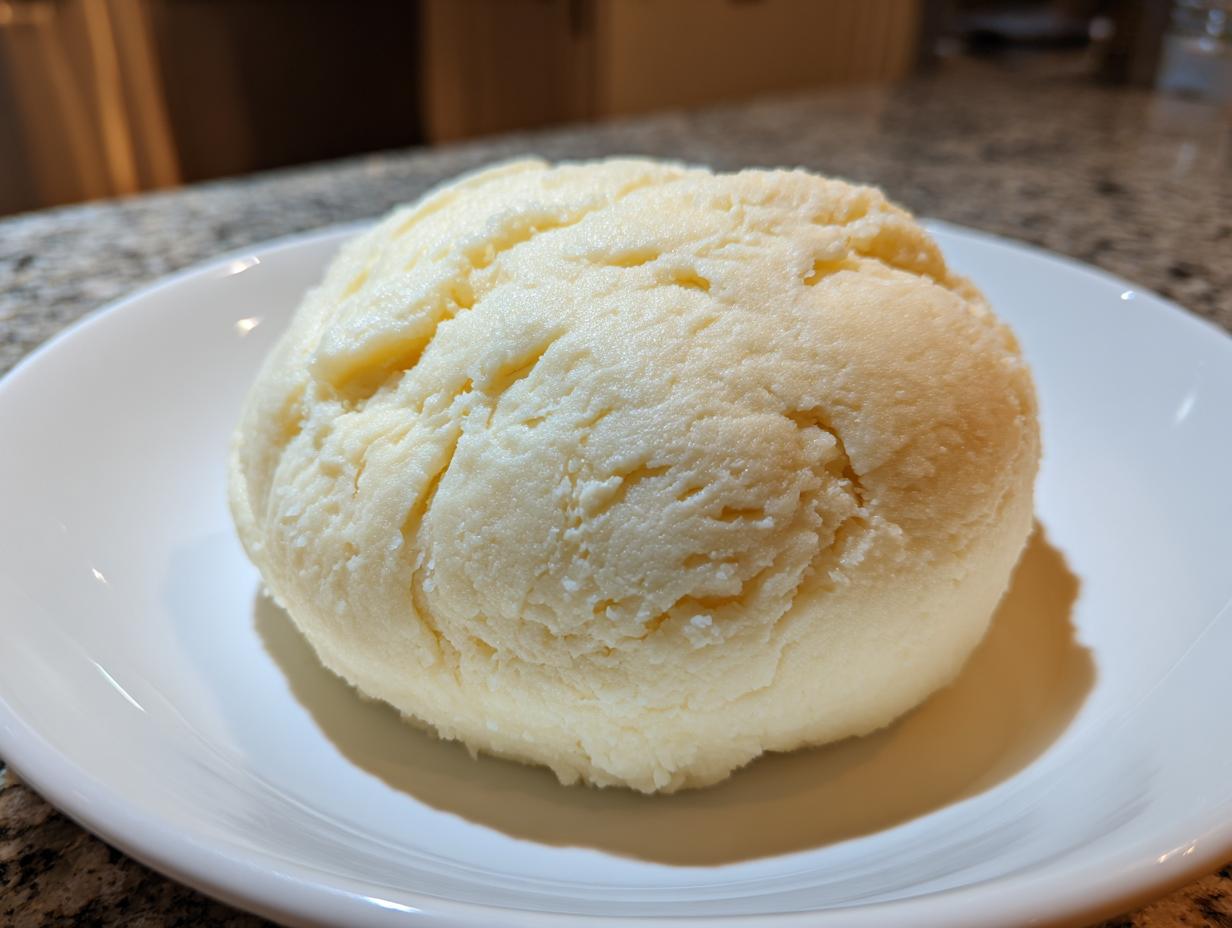
Some of life’s most profound memories are born in the warmth of a kitchen, just like the smell of my grandmother’s oven wafting through the house. I believe that when you’re cooking, you should feel totally in command and joyful, not stressed out. That’s the heart of Cookery Command, and that’s exactly what this recipe delivers! If you’ve ever wanted that perfect, smooth, and soft fufu for dinner tonight, you’ve landed in the right place. We are going to conquer Cassava fufu together, step-by-step, ensuring you get the authentic West African staple without any fuss. Trust me, my dedication to clear, tested techniques means your first batch of fufu dough will be absolutely spot-on.
We’ve worked tirelessly to make this the definitive African food recipes guide for beginners. Preparing traditional African meals shouldn’t require hours of guesswork; it should just require good instructions!
- What is Fufu? Understanding This Essential West African Staple
- Gathering Ingredients for Authentic Cassava Fufu Recipe
- Step-by-Step Guide: How to Make Fufu Dough Perfectly
- Tips for Success When Preparing Fufu
- Why This Cassava Fufu Recipe Works for Beginners
- Fufu Serving Suggestions: Pairing Fufu with Soups
- Storage and Reheating Instructions for Leftover Fufu
- Frequently Asked Questions About Making Fufu
- Estimated Nutritional Data for Cassava Fufu
What is Fufu? Understanding This Essential West African Staple
If you’re new to West African cuisine, you might be wondering exactly what fufu is! It’s a cornerstone dish—the ultimate comfort food in many countries across the region. At its heart, fufu is a smooth, dense, starchy dough created by boiling and pounding specific root vegetables or flours. While there are many variations, like Plantain fufu, this recipe focuses on the classic Cassava fufu recipe. It’s an unbelievably satisfying homemade African side dish that acts as the perfect delivery system for rich sauces.
What is Fufu Taste Like and Its Texture?
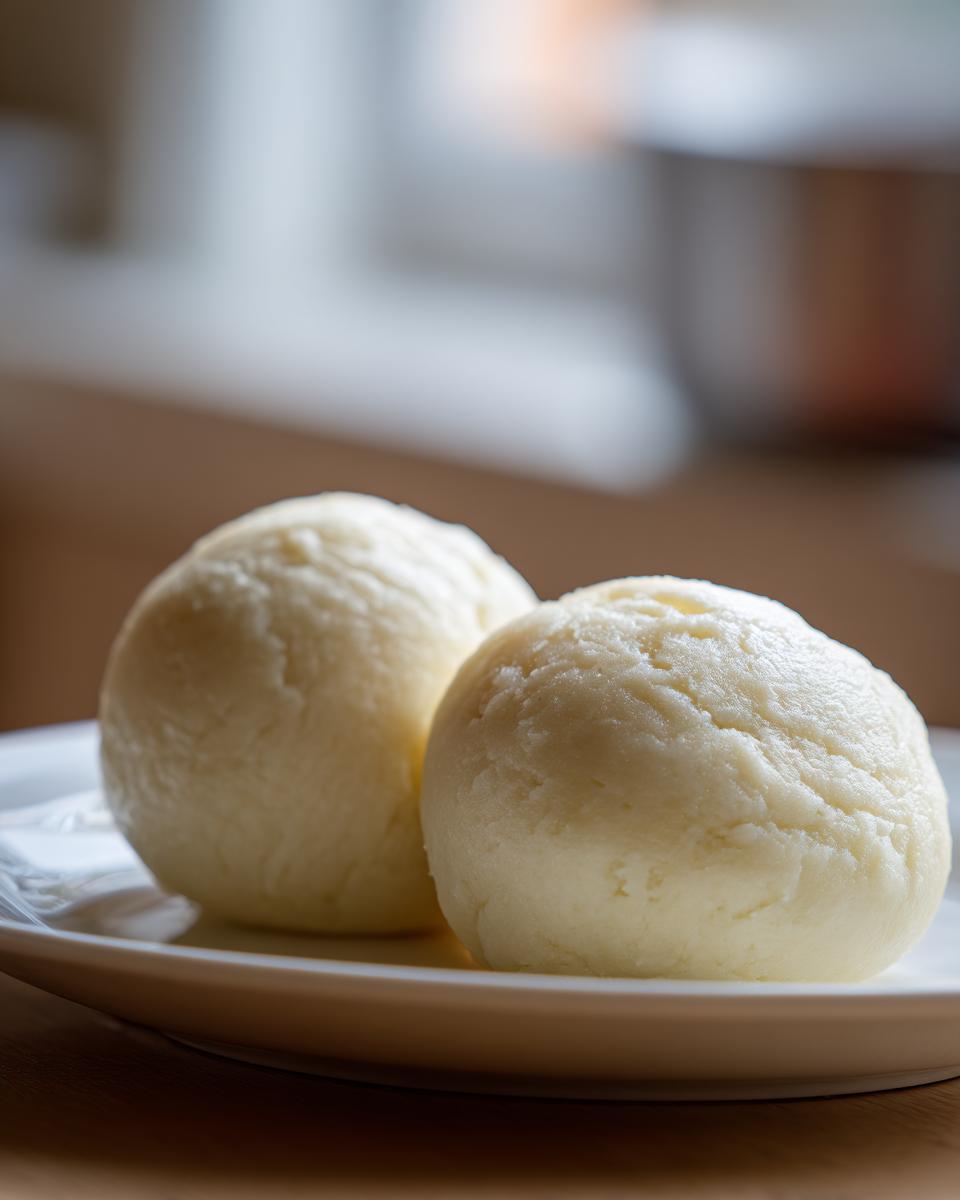
You might be surprised to hear that the taste of plain fufu is very mild! It’s wonderfully neutral, almost like a rich, thick plain mashed potato, which is why we use it to scoop up those intensely flavorful dishes. You can read more about what fufu taste like elsewhere, but honestly, it’s all about the sauce! The real magic here is the texture—we are aiming for something wonderfully smooth and soft fufu. When you get it right, it should be elastic and pliable, stretching just a tiny bit before you dip it into your soup. That beautiful texture is exactly what this recipe helps you achieve!
Gathering Ingredients for Authentic Cassava Fufu Recipe
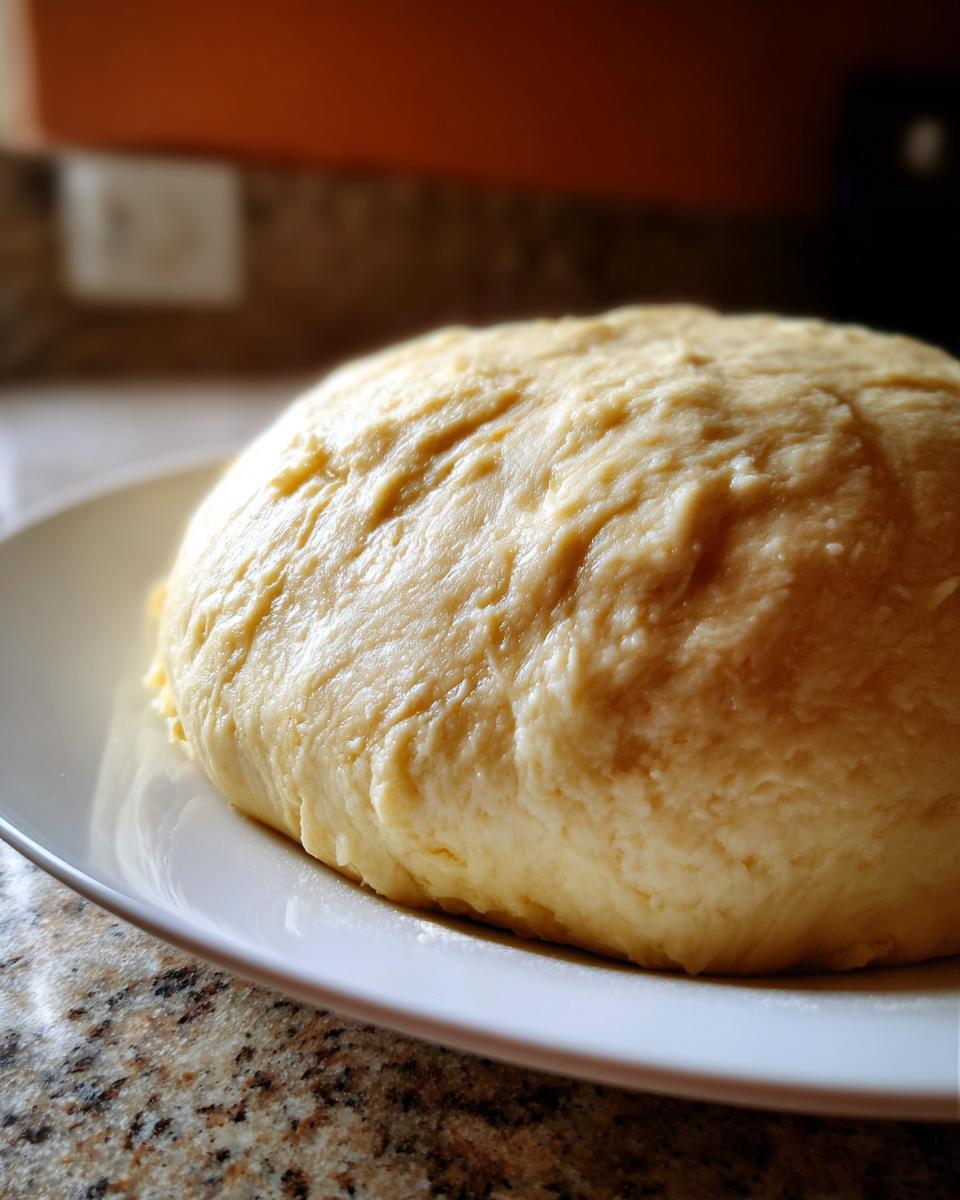
To make truly wonderful, authentic fufu, you need to start with the right building blocks. This recipe keeps things wonderfully simple—it focuses solely on Cassava Flour—which is why it’s such a fantastic comfort food recipe Africa staple! You only need water and, if you like, just a tiny pinch of salt to enhance the flavor, though honestly, the dough usually doesn’t need it since it’s designed to carry the load of a flavorful soup. When you shop for your flour, make sure you’re grabbing proper Cassava Flour or a dedicated Fufu blend. This isn’t the same as tapioca starch, so picking up the right bag is key for getting that superior fufu dough structure! Understanding the source ingredients is half the battle when exploring West African cuisine.
Ingredient Notes and Substitutions for Your Fufu
Listen, when it comes to the flour, quality matters a lot. If you see bags labeled simply as “Fufu Flour Mix,” that’s usually a pre-blended combination, often cassava and yam, which is totally fine. However, if you use 100% Cassava Flour, you guarantee that beautiful gluten-free aspect while still getting great results. If you ever want to experiment down the road, remember what I noted in the official recipe card: you can absolutely substitute half of that cassava flour with plantain flour or yam flour. This creates a hybrid fufu with a slightly different flavor profile, but for this beginner guide, let’s stick to pure cassava so we can master that perfect texture first!
Step-by-Step Guide: How to Make Fufu Dough Perfectly
Okay, now for the fun part—the cooking! This is where instinct really kicks in, but don’t worry, I’ve broken down the steps for making perfect fufu so you can stay calm. Remember, we are aiming for that incredible, pliable dough that makes for the best dipping experience! First things first: get your water measuring out and bring it to a full boil on the stovetop. Once it’s really bubbling, turn that heat way down to low. We don’t want splatter or scorched bottoms here!
Next, here’s the secret to avoiding lumps—sprinkle in that first tiny bit of cassava flour while stirring constantly. Seriously, keep that wooden spoon moving until it thickens slightly. Then, we start adding the rest of the flour slowly. You must stir vigorously and continuously as you add the remainder. I always feel like I’m giving my wrist a good workout here, but trust me, this hard work is what guarantees you avoid clumps and achieve that fantastic stretchy fufu tutorial result. Keep folding that thick fufu dough against the sides of the pot for about five to ten minutes until it comes together into one solid, glossy mass. If you were making biscuit dough, you’d stop mixing sooner, but here, we need that serious incorporation!
Achieving Smooth and Soft Fufu Consistency
Once you see that smooth dough ball forming, we are entering the fine-tuning stage. If your fufu feels too stiff—and trust me, it might feel like concrete at first—don’t panic! Just grab your hot water dispenser and stir in just one tablespoon at a time. Keep mixing and folding until it relaxes back into that desired soft, pliable shape. This constant folding against the bottom and sides of the pot is non-negotiable for that perfect, restaurant-quality texture. You’ll know it’s done when it starts pulling away cleanly from the pan. Then, take it off the heat and let it cool just slightly before wetting your hands to scoop and roll those beautiful dining balls!
Tips for Success When Preparing Fufu
Even with our easy recipe, there are a few little details that can take your homemade fufu from good to absolutely incredible. Having followed my own family’s heritage of reliable cooking at Cookery Command, I’ve picked up a few tricks that really cement that expert touch, which is why readers trust our instructions for complex baking and cooking alike!
The most immediate tip I have is about your tool. You absolutely need a sturdy, heavy wooden spoon or a strong spatula for this process. Seriously, forget the silicone tools you normally reach for when making your favorite dips or sauces. You are fighting against a very thick, starchy mixture that requires serious leverage to incorporate fully. If your spoon isn’t up to the task, you risk breaking the handle or, worse, not mixing those lumps out properly. Stick with wood for the best fufu dough folding action!
Another essential tip comes when it’s time to eat. Remember that fufu isn’t eaten with a fork! It’s a traditional African meal designed to be interactive. You pinch off a tiny piece—just enough for one mouthful. Then, you use your thumb—just the thumb!—to create a little divot or indentation in the middle of your fufu ball. That little pocket is your perfect scoop for holding all that delicious soup or stew. Don’t try to break large chunks off; small bites help you savor every dipping opportunity. This simple technique turns making fufu into a real cultural experience!
Why This Cassava Fufu Recipe Works for Beginners
I know that diving into West African cuisine might seem a little intimidating at first, especially when you are tackling a staple dish like fufu. That’s why I designed this recipe to be the absolute easiest entry point. If you’ve mastered boiling water, you can master this! We stripped away all the complicated sourcing and messy boiling/pounding you read about online and focused purely on the flour method. It’s all about building your confidence in the kitchen, just like when we tackled that easy street corn dip last month!
By using pre-milled cassava flour, you skip about 90% of the traditional labor involved in making fufu dough from scratch, yet you still get that amazing, authentic texture. Seriously, if you’re looking for a straightforward Easy Fufu Recipe for Beginners, this is it. You’ll find that the process is quick, reliable, and honestly, quite satisfying once you get that rhythm down!
Here is exactly why this process is so perfect for your first time making fufu:
- Incredibly Fast Prep: From measuring flour to taking the *fufu* off the heat, actual active time is usually under 15 minutes. That’s faster than many weeknight pasta sauces!
- Minimal Ingredients: We keep it clean—flour and water. No obscure spices or multiple root crops needed. You can get everything done in one quick grocery run.
- Immediate Feedback: The dough tells you almost instantly if you’ve added too much flour or if you need a touch more liquid. It forces you to pay attention, which is the best way to learn.
- Guaranteed Gluten-Free Staple: Since cassava is naturally gluten-free, you don’t have to worry about substitutions; this recipe is your reliable gluten free African staple right out of the bag.
Fufu Serving Suggestions: Pairing Fufu with Soups
You’ve mastered the fufu dough, which is fantastic! But a perfect ball of fufu sitting on a plate is just waiting for its partner in crime. This starchy side dish really shines when paired with something robust and flavorful. Think of it as the sturdy foundation for an incredible meal—it needs a great sauce or soup to make it sing. Seriously, this is where the magic of West African cuisine truly comes together!
When I first started exploring these delicious African food recipes, I just didn’t know where to start pairing things. But once you know the classics, it opens up a whole world of flavor. You absolutely must pair your smooth fufu with something comforting and rich. My personal favorites for dipping include Egusi Soup, which is savory and uses those ground melon seeds, or a great, hearty Okra Soup. If you’re leaning towards a nuttier flavor profile, a homemade peanut stew is also magnificent alongside the fresh ball of fufu. You can find some incredible recipes for Egusi Soup online to try out!
Making Your Fufu a Traditional African Meal
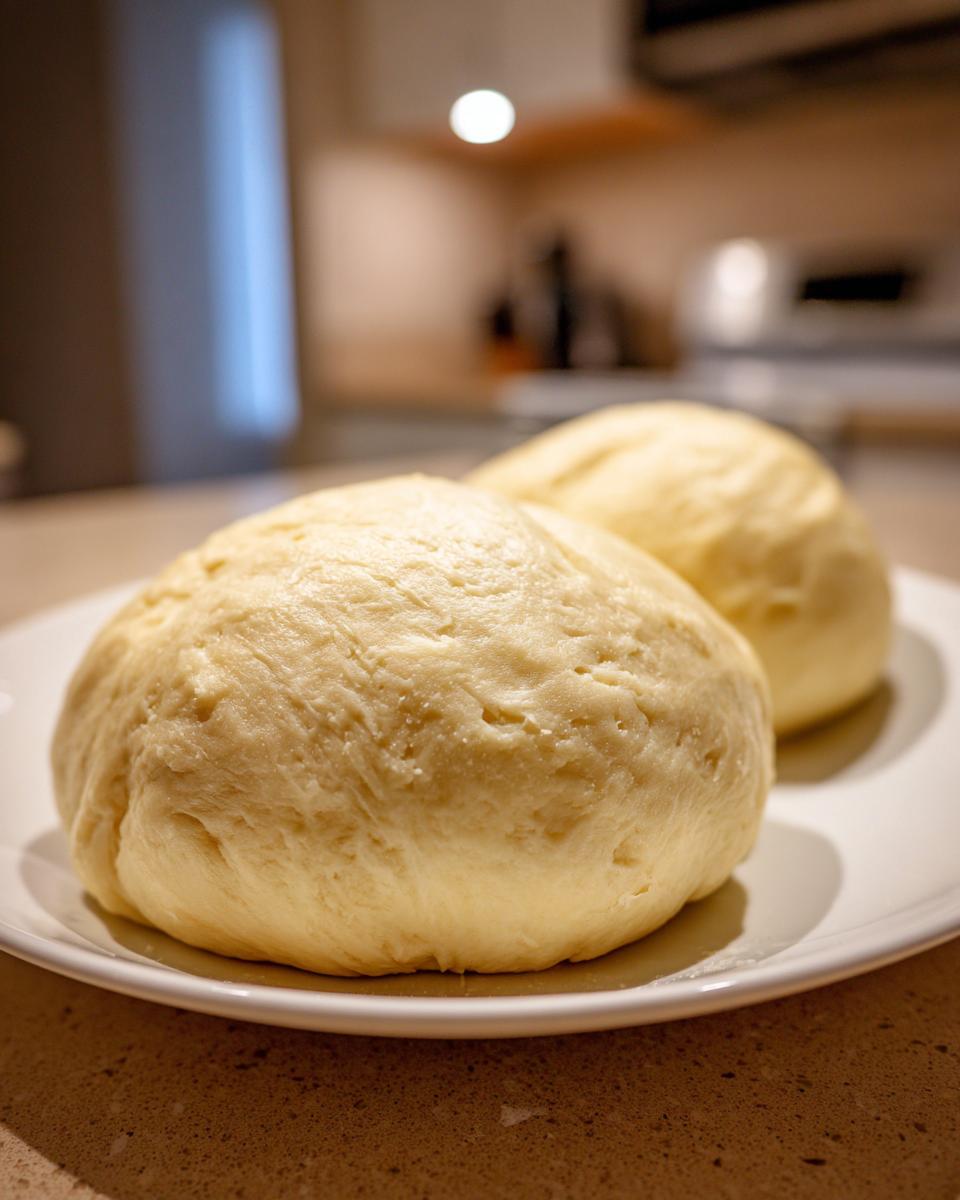
The way you eat it is just as important as how you make it! Serving this dough ball truly turns it into a genuine traditional African meal rather than just a side dish. When you present your beautifully rolled fufu alongside your chosen soup, you are offering that ultimate sense of comfort. These are the kinds of comfort food recipes Africa that stick with you long after the bowl is empty. It’s communal, it’s deeply satisfying, and it reminds you of home, whether you grew up with it or are just experiencing it for the first time. Enjoy that perfect dip!
Storage and Reheating Instructions for Leftover Fufu
Things sometimes cool off, right? Maybe you made a huge batch of fufu dough because you love the leftovers, or maybe you just served too much at the table. That’s okay! Unlike a lot of baked goods, this starchy dough stores surprisingly well, provided you treat it right. The goal when you store leftover fufu is to keep it from drying out completely, because once it hardens, it can get a bit crumbly.
For the best results, wrap your leftover fufu balls tightly in plastic wrap, or place them inside a sealed, airtight container. You can keep them in the refrigerator for about three to four days comfortably. If you need to keep it longer—say, if you made too much for your next week’s lunches—you can freeze individual portions. Wrap each ball tightly in plastic wrap first, then place them together in a sturdy freezer bag. They freeze beautifully this way for up to a month!
Now, reheating requires a little bit of dedication. You can’t just microwave it dry; it will turn into something hard enough to break a spoon! The secret to bringing that beautiful, smooth and soft fufu texture back is moisture and heat applied gently. Take your portions—either from the fridge or thawed from the freezer—and place them in a new saucepan. Add just a splash of hot water—maybe two tablespoons for four small balls—and cover the pan.
Heat this set-up over medium-low heat. You need to stir and fold it continuously, just like you did when you first made it, but much more gently. As the moisture heats up, it gets absorbed back into the starchy dough, softening it up right away. Keep stirring and folding until it’s piping hot all the way through and you’ve got that familiar soft, pliable consistency again. If it still feels too stiff after a few minutes, add another teaspoon of hot water and keep folding. Honestly, reviving leftovers this way is nearly as satisfying as making it for the first time!
Frequently Asked Questions About Making Fufu
I know when you’re trying a new signature dish, especially one so important to West African cuisine, you always end up with a few lingering questions! That’s totally normal. We want you to feel absolutely confident when you stand over that pot making your fufu dough. Below, I’ve gathered some of the questions I get most often when people attempt their first batch of this fantastic, starchy staple.
I always tell folks that mastering fufu is about knowing your ingredients and trusting your spoon! After you check out these answers, you’ll be ready to tackle that next batch for dipping into your favorite stews. You can also dive into more complex cooking topics when you’re ready, perhaps exploring recipes like my Chicken and Rice Bowl for a completely different kind of meal!
Can I make this fufu recipe gluten free?
That’s an excellent question, and the answer is a resounding yes! Since we are using 100% Cassava Flour in this particular recipe—one of the simplest ways to achieve that wonderful fufu—this is naturally a gluten free African staple. Cassava, or yuca, is a root vegetable, not a grain like wheat, so there’s zero gluten sneaking in. You never have to worry about substitutions here; this recipe delivers that authentic, satisfying dough in a wonderfully safe, gluten-free way!
What is the difference between Cassava fufu and Plantain fufu?
This is where things get interesting because everyone has their preferred style! The main difference comes down to what you use: Cassava Flour versus the flour made from ripe or unripe plantains. Cassava fufu, which we made here, tends to be very neutral in flavor and yields an extremely smooth, slightly stretchy texture—that’s why it’s the perfect base. If you opt for Plantain fufu, you will notice a subtle, slightly earthier, and sometimes very faintly sweeter flavor profile. Many people in West African cuisine prefer mixing them both together for a hybrid texture and taste. Honestly, you can’t go wrong, but sticking to pure cassava first helps you master that fundamental technique!
If you want even more background on the cultural significance and other preparation styles, I found this great breakdown on how to make fufu that covers more regional differences!
Estimated Nutritional Data for Cassava Fufu
Now, I know some of you command-center cooks like to keep track of exactly what’s fueling your family! While making fufu is all about comfort and tradition, it’s also a fantastic, naturally gluten-free energy source. Here is the estimated nutritional breakdown for one serving ball of this Cassava fufu. Remember, since we are only using two simple ingredients—cassava flour and water—the numbers are quite straightforward, but keep in mind these are still estimates, just like the numbers you see when you buy that bag of flour, because brands and exact measurements can always shift things slightly!
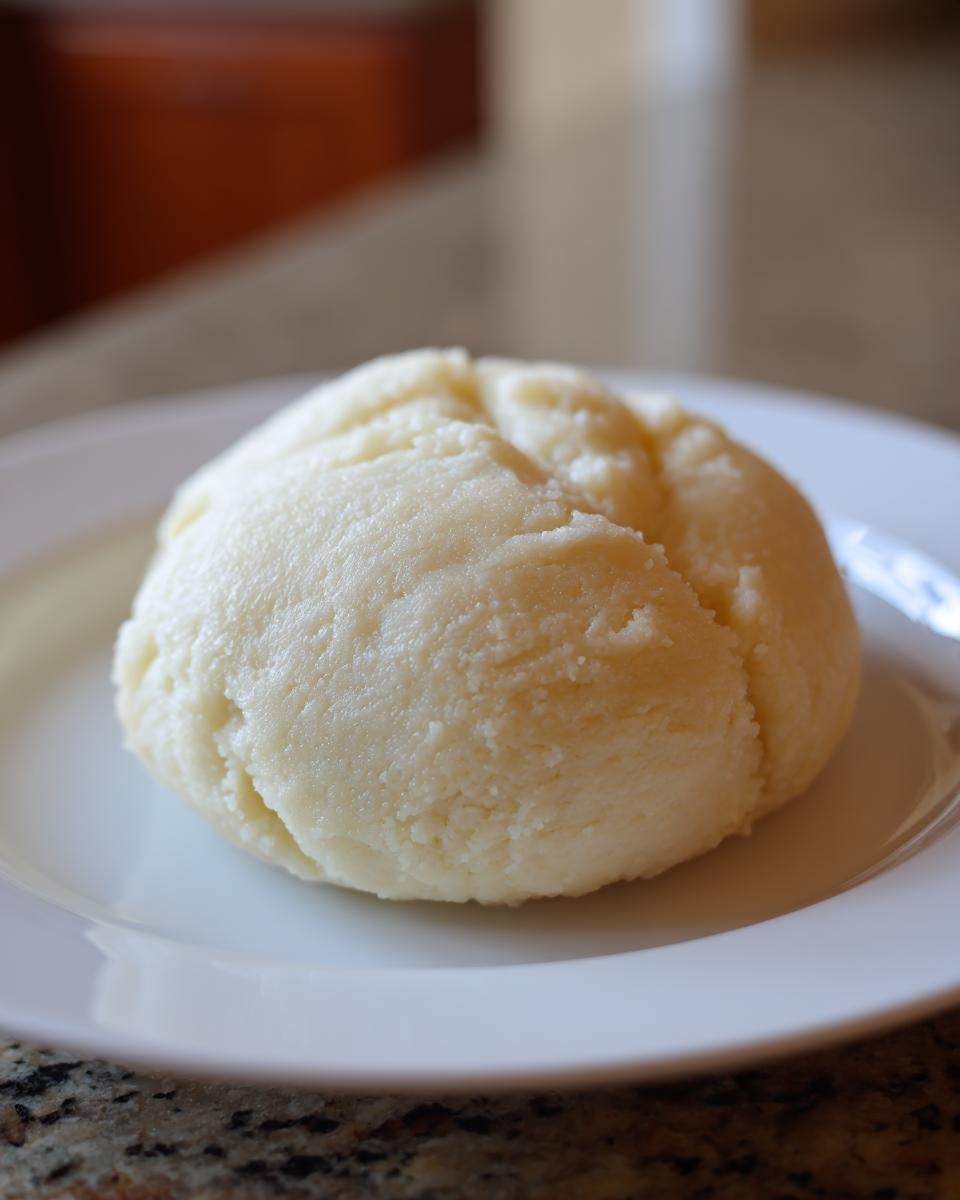
We definitely don’t make fufu for its glamour shots, but you can see it’s quite low in fat and naturally sugar-free, making it a wonderful complement for whatever hearty stew you decide to pair it with. Think of it as the perfect carbohydrate base for your next big meal!
- Serving Size: 1 ball
- Calories: 180
- Total Fat: 0.2g
- Saturated Fat: 0.1g
- Trans Fat: 0g
- Cholesterol: 0mg
- Sodium: 5mg
- Total Carbohydrates: 41g
- Dietary Fiber: 1g
- Total Sugars: 0.5g
- Protein: 1.5g
See? Minimal extra stuff, just pure starchy goodness ready to absorb all the flavor of your Egusi or Okra soup. If you’re worried about hitting those macros, remember that almost all the calories are coming from clean complex carbohydrates, giving you the energy you need to keep commanding your kitchen!
PrintAuthentic & Easy Cassava Fufu Recipe for Beginners: The Perfect West African Staple

Learn how to make soft, smooth, and stretchy Cassava Fufu at home. This beginner-friendly recipe guides you through preparing this traditional West African staple food, which pairs perfectly with your favorite soups and stews.
- Prep Time: 5 min
- Cook Time: 15 min
- Total Time: 20 min
- Yield: 4 servings 1x
- Category: Side Dish
- Method: Stovetop Cooking
- Cuisine: West African
- Diet: Gluten Free
Ingredients
- 2 cups Cassava Flour (or Fufu flour mix)
- 3 cups Water
- Pinch of Salt (optional)
Instructions
- Measure the water into a medium saucepan and bring it to a boil over medium-high heat.
- Once the water is boiling, reduce the heat to low.
- Slowly sprinkle about 1/4 cup of the cassava flour into the hot water while stirring constantly with a wooden spoon or sturdy spatula. This prevents lumps.
- Continue stirring until the mixture thickens slightly.
- Add the remaining cassava flour gradually, stirring vigorously and continuously. You need to mix hard to incorporate the flour fully and eliminate all lumps.
- Keep stirring and folding the dough against the sides of the pot. The mixture will become very thick and form a smooth, elastic dough ball. This process takes about 5 to 10 minutes of continuous stirring.
- If the dough is too stiff, add a tablespoon of hot water at a time and continue mixing until you reach your desired soft, pliable consistency.
- Remove the fufu dough from the heat.
- Wet your hands slightly to prevent sticking. Scoop out portions of the dough and roll them into smooth, uniform balls.
- Serve the fufu balls immediately with your preferred West African soup or stew.
Notes
- For a slightly different texture, you can substitute half the cassava flour with plantain flour or yam flour to make a mixed fufu.
- To achieve a truly smooth and stretchy fufu, use a heavy-duty wooden spoon and ensure you stir and fold the dough against the sides of the pot consistently.
- Fufu is traditionally eaten by pinching off a small piece, making an indentation with your thumb, and dipping it into the soup or stew.
Nutrition
- Serving Size: 1 ball
- Calories: 180
- Sugar: 0.5
- Sodium: 5
- Fat: 0.2
- Saturated Fat: 0.1
- Unsaturated Fat: 0.1
- Trans Fat: 0
- Carbohydrates: 41
- Fiber: 1
- Protein: 1.5
- Cholesterol: 0