

I’m Emily Harrison, and trust me when I say it’s time to banish those sad, preservative-laden bottles from your fridge for good! Why settle for mediocre when you can have incredible flavor in minutes? That’s where we come in. This ultimate guide is your crash course in making 10 incredible, healthy homemade salad dressing recipes. We’re covering everything from those bright, zesty vinaigrettes to rich, satisfying creamy options. You’ll learn the techniques that professional kitchens use, transforming simple ingredients into the best salad dressing you’ve ever tasted. If you’re looking to elevate your greens, this collection is loaded with flavorful options, including the zesty citrus vinaigrette we use on our easy crunchy cabbage salad. Confidence in the kitchen starts here!
- Why You Need This Homemade Salad Dressing Collection
- Essential Components for Any Great Salad Dressing
- Recipe 1: The Simple Vinaigrette Salad Dressing Recipe
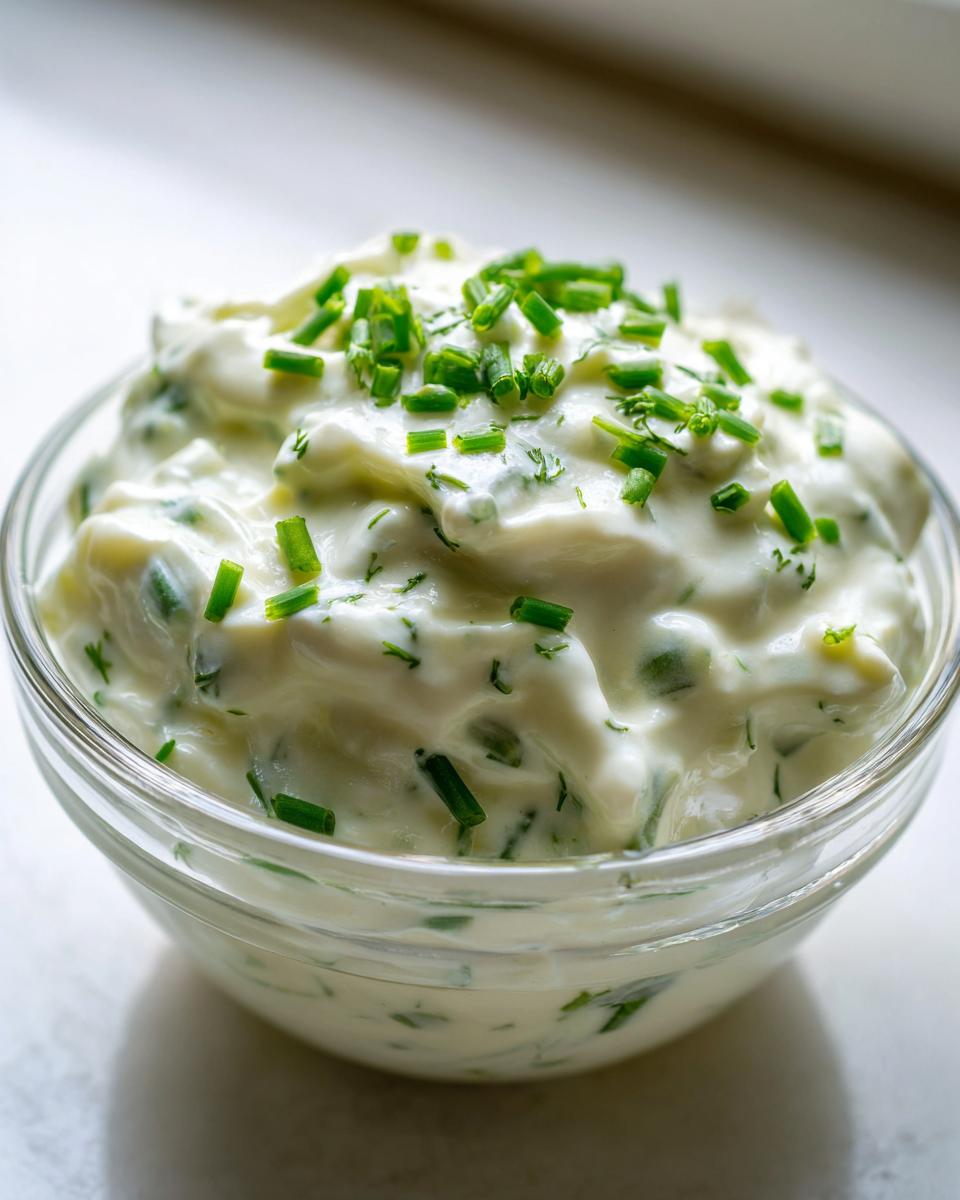
- Recipe 2: The Creamy Ranch Style Salad Dressing Recipe
- Expanding Your Homemade Salad Dressing Collection: 8 More Ideas
- Tips for Success When Making Any Salad Dressing
- Storing and Reheating Your Homemade Salad Dressing
- Frequently Asked Questions About Salad Dressing
- Share Your Favorite Salad Dressing Creations
Why You Need This Homemade Salad Dressing Collection
Honestly, once you start making your own salad dressing, you can’t go back. Have you actually read the ingredient list on those yellow squeeze bottles lately? It’s wild! Store-bought options are often loaded with stabilizers, refined sugar, and fillers you just don’t need. We believe you should be in command of what goes into your body, and switching to homemade is one of the easiest ways to eat cleaner.
This collection proves that ditching the grocery aisle doesn’t mean sacrificing flavor or time. In fact, these easy salad dressing recipes deliver huge flavor payoff.
- Flavor Maximized: You control the quality of the oil and the punch of the acid. Fresh herbs beat powdered flavorings every single time!
- Truly Healthy: You get an all-natural salad dressing without any weird emulsifiers hiding in there.
- Total Control: Need it keto? Need it vegan? Need a little maple syrup for sweetness? You decide!
It’s time to reclaim your salads and use a best salad dressing that actually enhances your greens. If you’re looking for another pantry staple that’s simple to master, check out how we do our easy homemade tomato sauce.
Essential Components for Any Great Salad Dressing
Before we dive into the specific recipes, I want to give you a quick masterclass. Every single great emulsion—whether it’s a thick ranch or a thin French dressing—relies on a fundamental balance. Forget buying pre-made stuff; once you understand this science, you can whip up a flavorful topping for any salad in less than five minutes!
The real secret sauce? It’s the ratio between fat and acid. For almost every standard vinaigrette you’ll ever make, you want to stick to the golden rule: three parts oil to one part acid. Don’t deviate too much when you’re starting out! This 3:1 ratio ensures you get that full-bodied mouthfeel without the mixture tasting greasy or overwhelmingly tart.
Mastering the Vinaigrette Base
When we talk about the base, we’re talking about the oil and the acid—usually vinegar or lemon juice. If you just pour them together, they separate instantly, which is no good for your greens. To get that beautiful, cohesive texture, you need an emulsifier. My absolute favorite? A tiny bit of Dijon mustard. It acts like glue, binding the fat and the liquid together so you get a thick, coats-the-lettuce texture that lasts. A quick whisk or a vigorous shake in a jar gets you there fast.
Building Flavor in Creamy Salad Dressing Bases
For the creamy options, like our ranch style, the foundation is usually something rich like plain Greek yogurt, mayonnaise, or maybe even sour cream if you want that extra tang. This foundation gives you body, but the flavor comes from what you layer in. This is where I always insist on using fresh ingredients! Parsley, chives, fresh garlic—they wake up the tanginess of the yogurt and make the whole thing taste vibrant. Skip the dried spice packets and use fresh herbs whenever you can for that bright, clean flavor. If you’re curious about using good fats, you might enjoy mastering homemade olive oil bread dip, too!
Recipe 1: The Simple Vinaigrette Salad Dressing Recipe
Alright, let’s start this journey with the building block of all great dressings: the simple vinaigrette salad dressing recipe. This isn’t complicated; it’s pure technique. This is the 3:1 ratio we talked about, turned into tangible ingredients. If you master this, you’ve mastered 80% of all French and Italian dressings! It’s such a quick way to get a top-tier, all-natural salad dressing on the table.
Here is exactly what you need for one cup of dressing:
- The Oil: 3 parts Extra Virgin Olive Oil (use the good stuff here!)
- The Acid: 1 part Acid. I love using Red Wine Vinegar or freshly squeezed Lemon Juice. Apple Cider Vinegar is great too if you want something tangier.
- The Binder/Flavor: 1 teaspoon Dijon Mustard (that’s our emulsifier!), plus 1/2 teaspoon Salt and 1/4 teaspoon Black Pepper.
To mix it up, follow the shaking method described in the instructions—toss it all in a jar, close the lid tight, and shake like you mean it! You’ll see it transform almost instantly. If you love using high-quality olive oil, you might also enjoy mastering homemade olive oil bread dip.
Recipe 2: The Creamy Ranch Style Salad Dressing Recipe
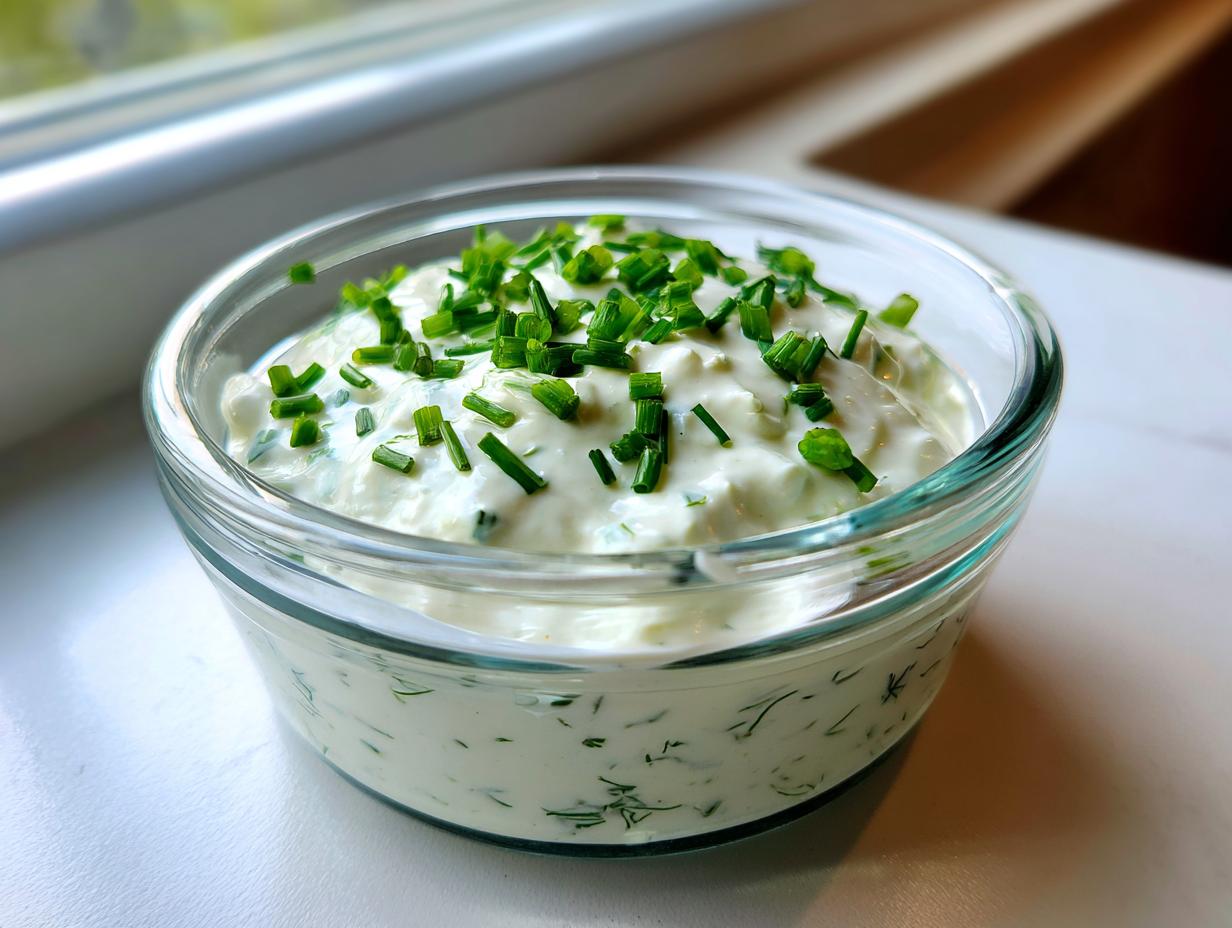
Now let’s switch gears entirely and talk about something rich and satisfying. If you are craving that thick, tangy classic that tastes a million times better than what you grab in the refrigerated section, this creamy salad dressing is it. This recipe definitely hits that search goal for that savory, diner-style flavor but keeps it nice and healthy salad dressing by using yogurt as the base.
You can have this amazing homemade ranch ready in about ten minutes, honestly! For about one cup of thick dressing, here are your core ingredients:
- The Cream Base: 1/2 cup Plain Greek Yogurt (this keeps it lighter than mayo!)
- The Thinning Agent: 1/4 cup Buttermilk (or just regular milk if you don’t have buttermilk on hand)
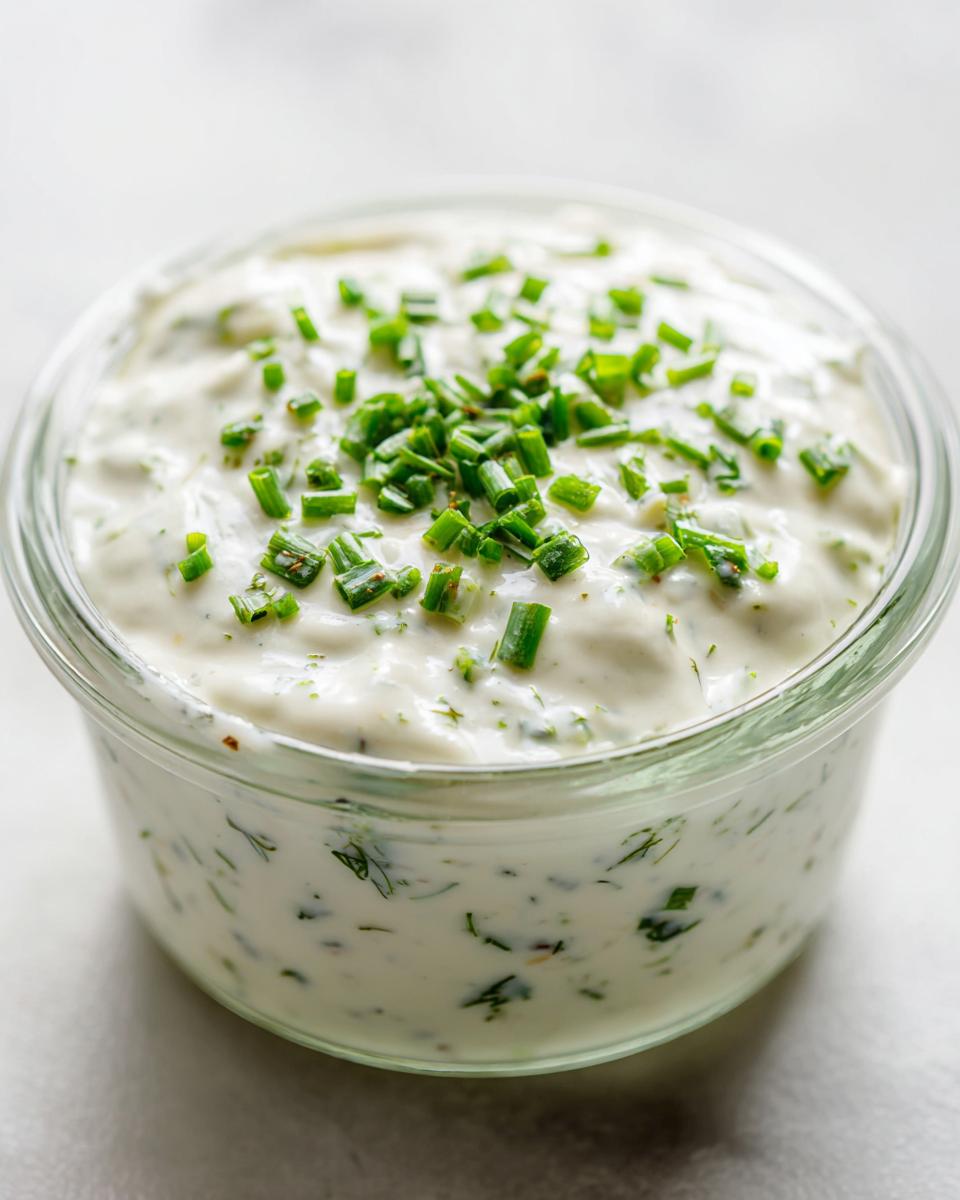
- The Herbs: 1 tablespoon Fresh Chives, chopped, plus 1 teaspoon Dried Dill
- The Savory Dusts: 1/2 teaspoon Garlic Powder and 1/2 teaspoon Onion Powder
Whisk everything together until it’s totally unified, adding more buttermilk if the yogurt base is fighting you. This ranch is fantastic on a simple green salad, but seriously, bake some chicken with my baked ranch chicken recipe and use this as the dipping sauce!
Expanding Your Homemade Salad Dressing Collection: 8 More Ideas
Okay, you’ve mastered the basic oil-and-vinegar technique and you know how to make a great creamy base. That means you’re ready to expand your repertoire! This collection isn’t just two recipes; we’ve got eight more flavor profiles waiting to revolutionize your meal prep. Think about how excited you’ll be to toss out those store-bought containers when you have this versatile salad dressing collection ready to go.
These additional ideas ensure you always have the perfect easy salad dressing on hand, whether you’re dressing up some hearty greens or dipping raw veggies. We’re keeping everything fast, healthy, and loaded with real impact!
Flavor Profiles for Your Next Salad Dressing
Don’t stick to just one! You need options for every type of green. Try these next because they are fantastic:
- Maple Mustard Vinaigrette: Sweet, tangy, and excellent for grain bowls. It’s my go-to when I need just a little sweetness without added white sugar.
- Tangy Greek Salad Dressing: Think oregano, garlic, and a sharp vinegar base. This is what every authentic Greek salad demands. If you need inspiration, look at how I put together my authentic Greek salad recipe—the dressing is key!
- Zesty Lemon Salad Dressing: A brighter, tangier version of our basic vinaigrette, heavy on the fresh lemon juice. Perfect for delicate spring greens or drizzling over grilled fish.
- Restaurant-Style Parmesan Dressing: You can achieve that addictive, savory flavor from places like your favorite salad bar right at home, using just a few additions to our creamy base.
Having these homemade salad dressing recipes ready means you can always throw together a quick salad dressing for tonight’s dinner or even tomorrow’s quick, healthy lunch.
Tips for Success When Making Any Salad Dressing
It’s one thing to mix ingredients, right? It’s another thing entirely to get that perfect, restaurant-quality result every single time. When you’re making any of these salad dressing recipes, a couple of small steps make a huge difference in texture and flavor stability. First, temperature matters! Make sure your oils and vinegars aren’t too cold if you’re whisking them together, especially the olive oil. Cold oil fights the acid and makes it really hard to get that nice emulsion going.
Also, don’t be afraid to taste as you go! This is crucial. Always adjust the salt and acid right at the end. Maybe your lemon juice was extra tart today, or maybe your vinegar is mild—you need to balance it out once the oil is incorporated. And here’s a big one: remember my note on the vinaigrette? If the dressing separates when it sits in the fridge, don’t panic! That’s totally normal for a fresh, all natural salad dressing. Just whisk it vigorously or seal the jar and shake it hard before you serve it.
A good example of using technique to boost flavor, even on a simple item, is detailed in my guide for easy homemade cocktail sauce recipe—it’s all about layering those fresh flavors!
Storing and Reheating Your Homemade Salad Dressing
Good news! Your homemade creations will last much longer than the store-bought stuff because we aren’t jamming them full of preservatives. For the vinaigrette style of salad dressing, you can keep it in an airtight jar in the fridge for up to two weeks. Since there’s no binding agent like cream, it will absolutely solidify or separate. That’s fine! Just let it sit on the counter for about 15 minutes before you need it, then shake it really hard to bring it back together.
The creamy types—like that ranch we made—usually last about 7 to 10 days. Because they contain dairy, they don’t live quite as long. Always give the creamy dressing a good stir before drizzling; sometimes the water content separates out slightly on top. It’s honestly so quick to store and keep these fresh!
Frequently Asked Questions About Salad Dressing
I always get so many questions when I post about my collection of vinaigrette recipe options! It shows me you are all getting excited about making your own flavorful sauces. Let’s tackle some of the most common things I hear about making a great healthy salad dressing at home.
Can I adapt these recipes to be Keto or Vegan?
Absolutely, that’s the beauty of controlling your own ingredients! For a keto salad dressing, avoid adding any honey or maple syrup to the vinaigrettes. For creamy options, use full-fat mayonnaise or sour cream instead of yogurt, and ensure you use an approved sweetener if the recipe calls for sweetness. If you’re interested in the keto lifestyle generally, you might want to check out my keto chicken parmesan recipe! To make a vegan salad dressing, simply swap the Greek yogurt in the ranch for a cashew cream base or a good quality avocado mayo. Most of our vinaigrettes are naturally vegan, though!
How are restaurant-style dressings so thick and emulsified?
If you’re wondering how to make salad dressing that mimics the thick texture you get at your favorite spots, it usually comes down to the emulsifier and the ingredients used! Many of those ultra-creamy dressings use pasteurized egg yolks (like in a real mayonnaise base) or large amounts of shredded cheese like Parmesan, which adds body. Try adding a tablespoon or two of finely grated Parmesan and a splash of Worcestershire sauce to our creamy recipe to mimic a classic parmesan dressing easy version.
How long does a homemade salad dressing really last?
This varies a bit, but the general rule for storage is simple: vinaigrettes last longer than creamy ones because they lack dairy. You can generally keep the oil and vinegar types for up to two weeks in the fridge. The dairy-based creamy salad dressing options should be used within a week for the best flavor and safety. Always check for off smells or discoloration before tossing it onto your greens! This knowledge is key for maintaining your salad dressing collection.
What’s the best dressing for kale salad?
Kale can be tough stuff, so it needs a dressing with backbone! For kale, you want something acidic and robust—the tangier the better to help break down those tough leaves. A good, sharp lemon salad dressing or even a classic Greek one works wonders. Never underestimate a good dressing for kale salad!
Share Your Favorite Salad Dressing Creations
We’ve covered the classics, tinkered with the creamy favorites, and now your kitchen command center is ready for action! I truly hope this guide helps you feel confident whipping up any salad dressing you desire, whether it’s a quick drizzle or a large batch for the week ahead.
But the story doesn’t end here at Cookery Command! I absolutely love hearing which recipes you choose to tackle first. Did you try adding anchovy paste to the vinaigrette for an accidental Caesar? Did you swap the dill for tarragon in the ranch recipe?
Please head down to the comments section below and let me know which of these ten easy recipes you made, how you customized it, and what kind of salad you put it on! Your feedback helps me know what kind of guides and recipes to develop next. If you need to reach out directly for a specific kitchen question, you can always use our contact page. Happy mixing, and may your salads always be perfectly dressed!
PrintThe Ultimate Guide to 10 Easy, Healthy Homemade Salad Dressings (Vinaigrettes and Creamy Options)
Take command of your salad game with this collection of 10 easy, healthy homemade salad dressing recipes. You will find simple vinaigrettes and creamy options, all made with fresh ingredients to replace store-bought versions.
- Prep Time: 10 min
- Cook Time: 0 min
- Total Time: 10 min
- Yield: About 1 cup per recipe 1x
- Category: Condiment
- Method: Whisking/Shaking
- Cuisine: American
- Diet: Vegetarian
Ingredients
- For the Basic Vinaigrette: 3 parts Extra Virgin Olive Oil
- 1 part Acid (Red Wine Vinegar, Apple Cider Vinegar, or Fresh Lemon Juice)
- 1 teaspoon Dijon Mustard
- 1/2 teaspoon Salt
- 1/4 teaspoon Black Pepper
- For the Creamy Ranch Style: 1/2 cup Plain Greek Yogurt (or sour cream for richness)
- 1/4 cup Buttermilk (or milk)
- 1 tablespoon Fresh Chives, chopped
- 1 teaspoon Dried Dill
- 1/2 teaspoon Garlic Powder
- 1/2 teaspoon Onion Powder
- Salt and Pepper to taste
Instructions
- To make the Basic Vinaigrette, combine the acid, Dijon mustard, salt, and pepper in a small bowl or jar.
- Slowly whisk in the olive oil until the mixture emulsifies and thickens slightly. Alternatively, place all ingredients in a jar, seal the lid tightly, and shake vigorously until combined.
- Taste the vinaigrette and adjust salt, pepper, or acid as needed for your preference. This simple vinaigrette is ready for any green salad.
- To make the Creamy Ranch Style Dressing, combine the Greek yogurt, buttermilk, chives, dill, garlic powder, and onion powder in a small bowl.
- Whisk until completely smooth. If the dressing is too thick, add buttermilk one teaspoon at a time until you reach your desired consistency.
- Season with salt and pepper. This creamy salad dressing is excellent for vegetable dips or kale salad.
- Store both dressings in airtight containers in the refrigerator. The vinaigrette will separate; simply shake or whisk before serving.
Notes
- For a sweeter vinaigrette, add 1 teaspoon of maple syrup or honey to the mixture.
- To create a restaurant-style Parmesan dressing, add 2 tablespoons of grated Parmesan cheese and 1/2 teaspoon of Worcestershire sauce to the creamy base recipe.
- If you want a quick citrus vinaigrette, substitute the vinegar in the basic recipe with fresh orange juice and lemon juice combined.
Nutrition
- Serving Size: 2 Tbsp
- Calories: 120
- Sugar: 0.5
- Sodium: 150
- Fat: 13
- Saturated Fat: 1.8
- Unsaturated Fat: 11.2
- Trans Fat: 0
- Carbohydrates: 0.8
- Fiber: 0.1
- Protein: 0.5
- Cholesterol: 5