

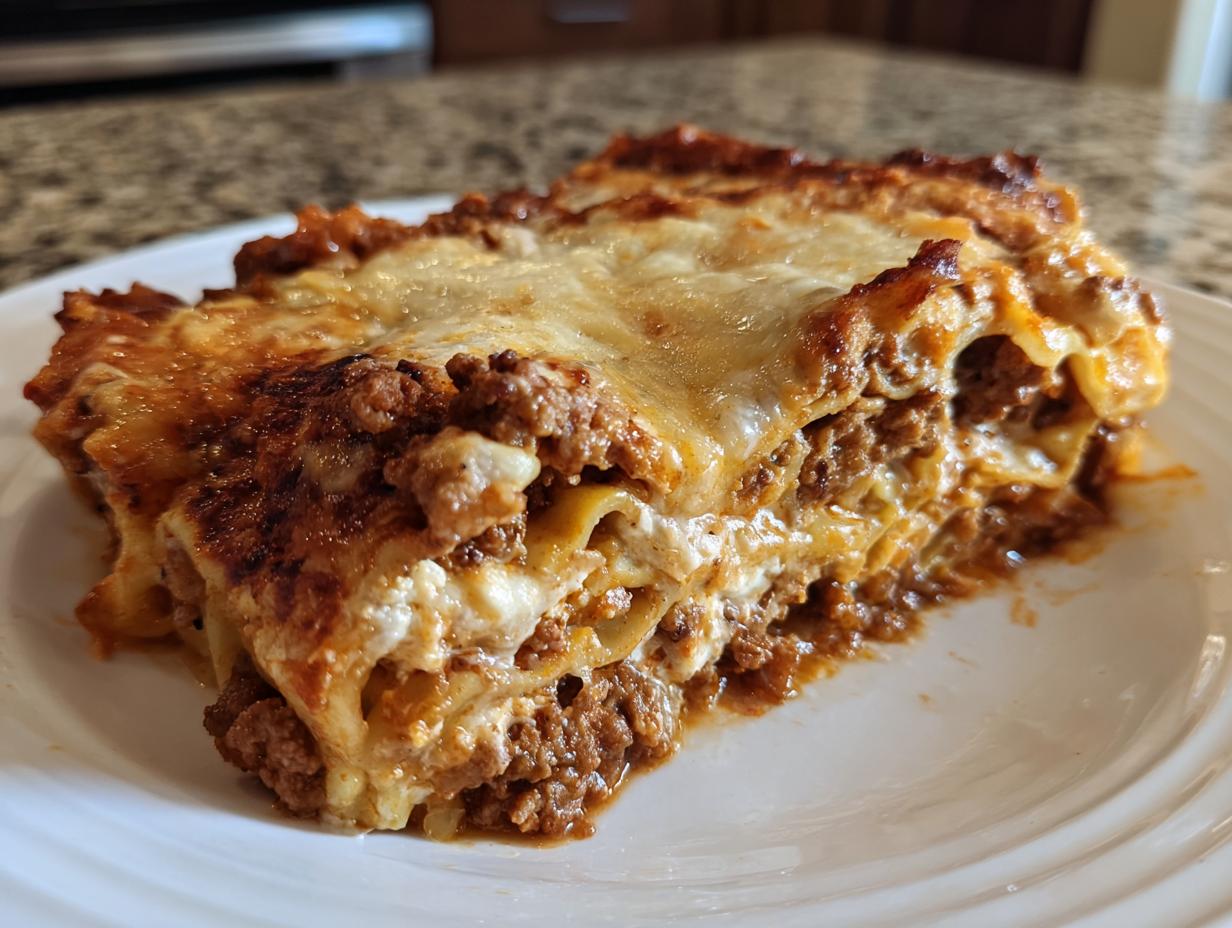
Okay, let’s be honest. Does anyone truly *love* making traditional lasagna on a Tuesday night? All those careful, tedious layers—the sauce dripping everywhere, the way the middle section is always soggy while the edges crisp up perfectly? I used to dread it! That’s why when I finally cracked the code on the sheet pan lasagna, my entire weeknight cooking schedule flipped upside down. This isn’t just an adaptation; it’s a rescue mission for your sanity. We skip the layering, bake it flat and fast, and the absolute best part? You get that coveted crispy edge in every single slice. Trust me, this one-pan Italian meal changed everything for my family.
- Why This Easy Sheet Pan Lasagna is Your New Weeknight Hero
- Essential Ingredients for Your Sheet Pan Lasagna
- Step-by-Step Instructions for Sheet Pan Lasagna
- Tips for Success with Sheet Pan Lasagna
- Serving Suggestions for This One Pan Italian Meal
- Storage and Reheating Sheet Pan Lasagna
- Frequently Asked Questions About Sheet Pan Lasagna
- Estimated Nutrition for Your Sheet Pan Lasagna
- Share Your Sheet Pan Lasagna Experience
Why This Easy Sheet Pan Lasagna is Your New Weeknight Hero
Why bother wrestling with a deep casserole dish when you can have all that cheesy, saucy goodness with way less work? This sheet pan lasagna concept is honestly genius for busy nights. I’m talking about a dinner that feels like you spent hours on it but actually came together in minutes. It hits all the right notes for easy weeknight dinners!
- Speed Counts: Because it’s shallow, everything cooks faster. No more waiting an hour for the center to heat through!
- Less Cleanup, Seriously: One pan, done and done. No sticky casserole dish scrubbing needed.
- The Texture is Unbeatable: We manage to get those crispy, caramelized edges all around the entire pan, which is the best part of any lasagna, right?
Achieving Perfect Crispy Edge Lasagna Recipe
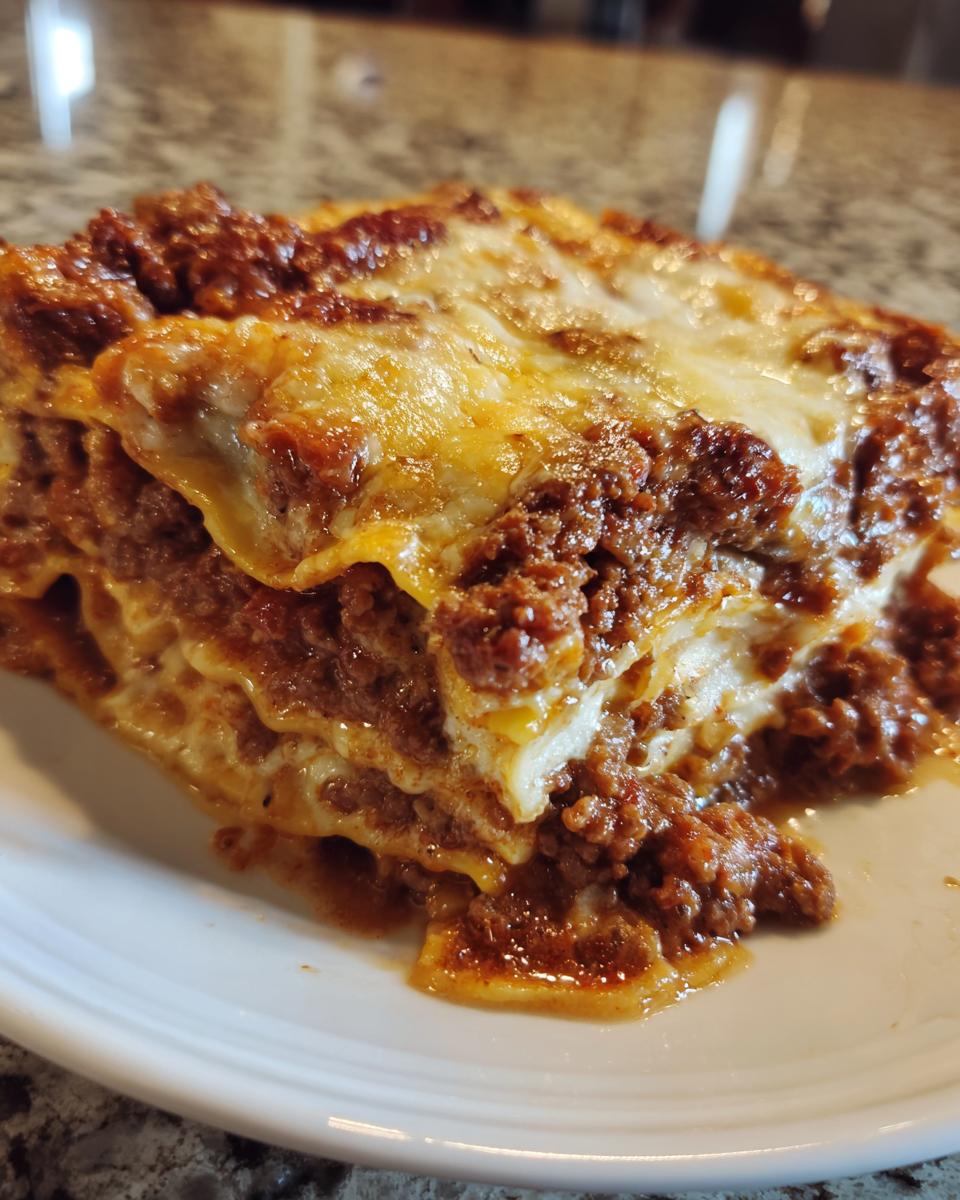
This is where the sheet pan format truly shines over traditional baking dishes. When you bake the lasagna flat in a wide, shallow pan, more of the cheesy, saucy goodness makes direct contact with the hot metal surface. That direct heat is what creates those unbelievably satisfying, slightly chewy, and perfectly browned crusts all along the sides. That’s the magic!
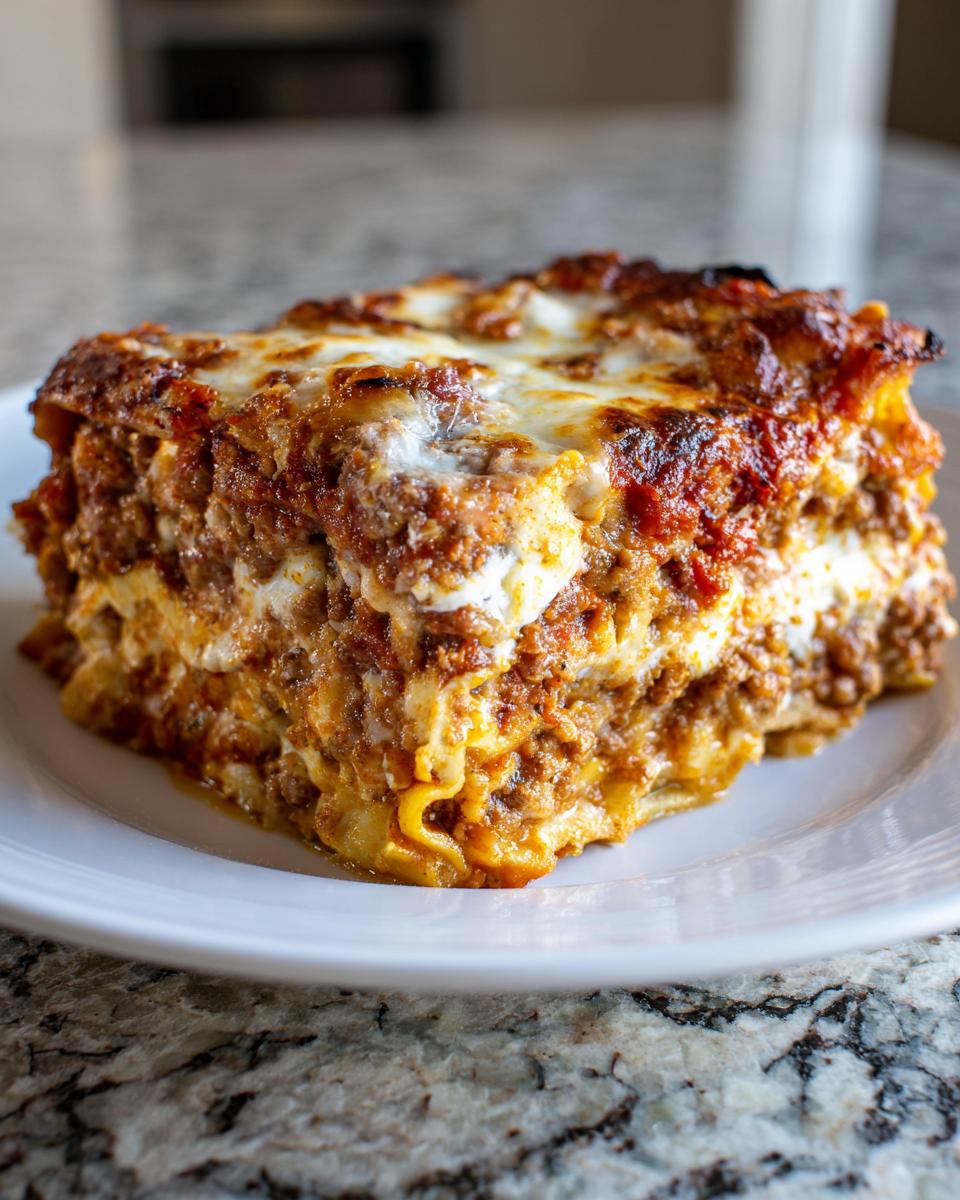
Sheet Pan Lasagna: A True Lasagna Without Layering
Forget the tedious game of stacking sauce-noodle-ricotta-cheese-noodle-sauce… this is where we embrace the modern, fast approach! This is a true lasagna without layering; we essentially break the noodles and toss them right into the mix with the sauce and cheese. Think of it like a super-loaded, baked pasta casserole. It still has every flavor you crave in a classic dish, but we cut out about thirty minutes of fussy assembly time.
Essential Ingredients for Your Sheet Pan Lasagna
The beauty of this sheet pan lasagna is that it uses all the pantry staples you already trust for a classic Italian bake. We aren’t trying to reinvent the wheel here, just making it roll faster, you know? You’ll need the basics: great marinara sauce—I use about a 24-ounce jar—and two full cups of that glorious, melty mozzarella for the top. Don’t forget the ricotta mix; that binding combination of ricotta, egg, and Parmesan is what keeps our layerless structure creamy inside while the outside crisps up. If you happen to be experimenting with different kinds of pasta bakes, remember that you can always substitute the marinara with a creamy Alfredo sauce!
Ingredient Notes and Substitutions for Sheet Pan Lasagna
Listen, if you’re going to make a quick bake like this, we have to use the right noodles! My absolute insistence is on using no-boil lasagna noodles—they are non-negotiable here. They are designed to soak up exactly the right bit of moisture during the covered bake time so they become tender. If you use the traditional kind that needs boiling first, you risk them getting mushy in the shallow pan. Also, if ground beef isn’t your favorite, feel free to swap it for ground turkey or even a plant-based crumble! Just make sure you drain the fat really well after browning, or you’ll end up with a greasy puddle instead of a perfect bake.
Step-by-Step Instructions for Sheet Pan Lasagna
Alright, this is the fun part—putting it all together! It goes much faster than you think because we are skipping the fussy layering that usually takes forever. Make sure your oven is humming along at 375°F (190°C) and you’ve got that large sheet pan greased up wonderfully before you even start mixing. We’ll be baking this in two parts to make sure those noodles hydrate and the cheese gets perfectly browned on top of your amazing sheet pan lasagna.
Preparing the Meat Sauce and Ricotta Filling
First things first, grab a skillet and get that pound of ground beef cooking over medium heat. Toss in your minced garlic—oh, the smell already! Once the beef is totally browned, you absolutely must drain off every bit of extra fat. This is non-negotiable for good flavor and less grease in the final product. Once drained, stir in your entire jar of marinara sauce, the Italian seasoning, salt, and pepper right there in the skillet. Take that off the burner. Now, in a separate bowl, mix up your ricotta, the single egg, Parmesan, and just a pinch of salt. That egg is key to keeping the ricotta creamy but firm!
Assembling Your Layerless Sheet Pan Lasagna
Now we build! Start by spreading a thin layer of that meat sauce right into the bottom of your prepped pan. This acts like a little steam bath for the first layer of noodles. Next comes the fun part: break your no-boil noodles so they fit nicely in a single layer over the sauce—aim for about a third of the total amount. Spread half of your ricotta mixture evenly over those noodles. Then, spoon over another third of the remaining meat sauce. Repeat that whole process once more—noodles, the rest of the ricotta, and more sauce. The very top layer should be the last of the noodles, covered completely with the final bit of meat sauce, and then pile on all that shredded mozzarella cheese!
Baking for Maximum Flavor and Crispy Edges
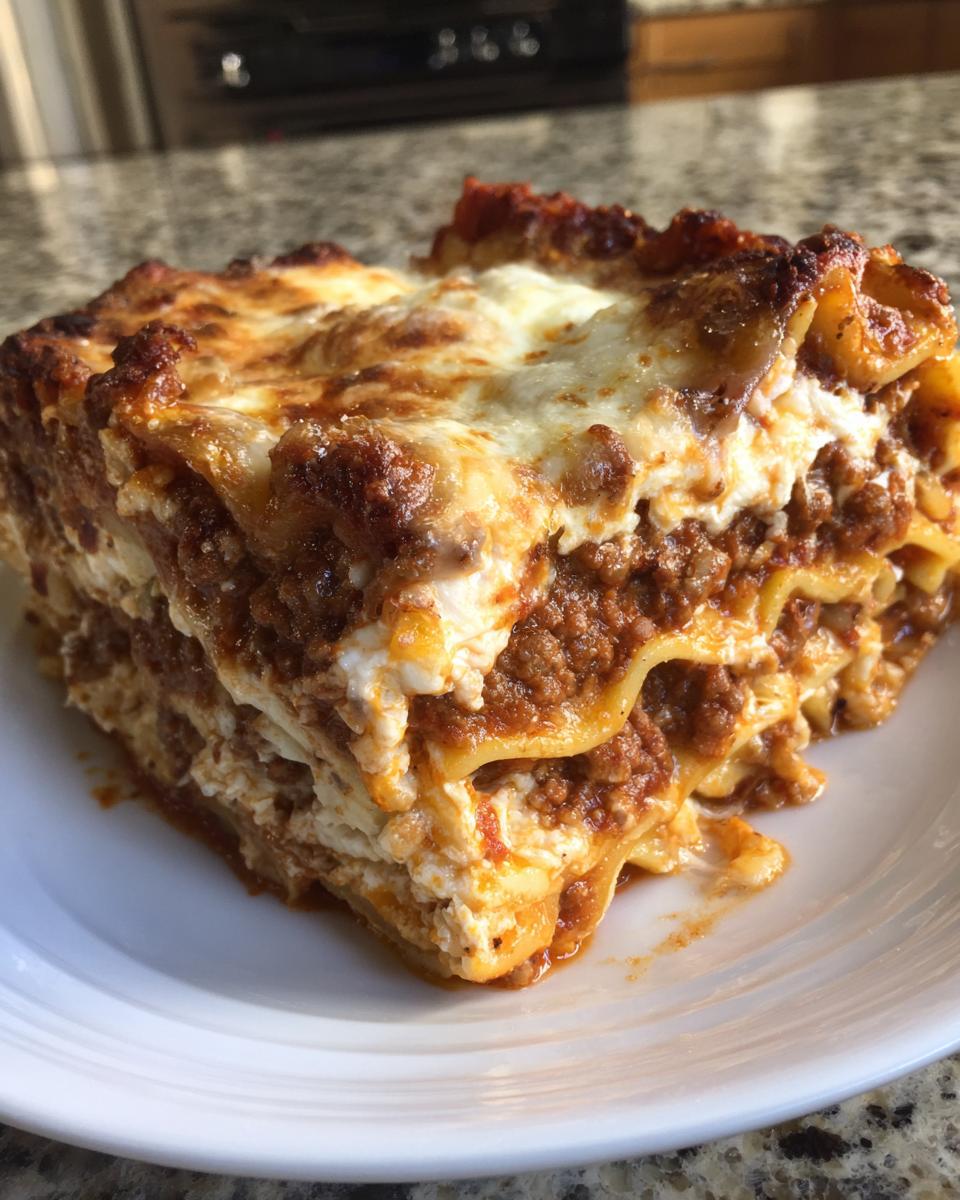
Cover that pan tightly with aluminum foil—I mean *tightly*, we want all that steam trapped inside to cook those stubborn no-boil noodles. Slide it into the hot oven and let it bake for 30 minutes. When 30 minutes is up, pull out your Casserole, ditch the foil, and put it back in. This final 10 to 15 minutes uncovered is crucial! That’s when the mozzarella melts into a bubbly golden crust and the edges of your sheet pan lasagna get wonderfully crispy. Take it out, let it rest for five minutes so it sets up, and then serve!
Tips for Success with Sheet Pan Lasagna
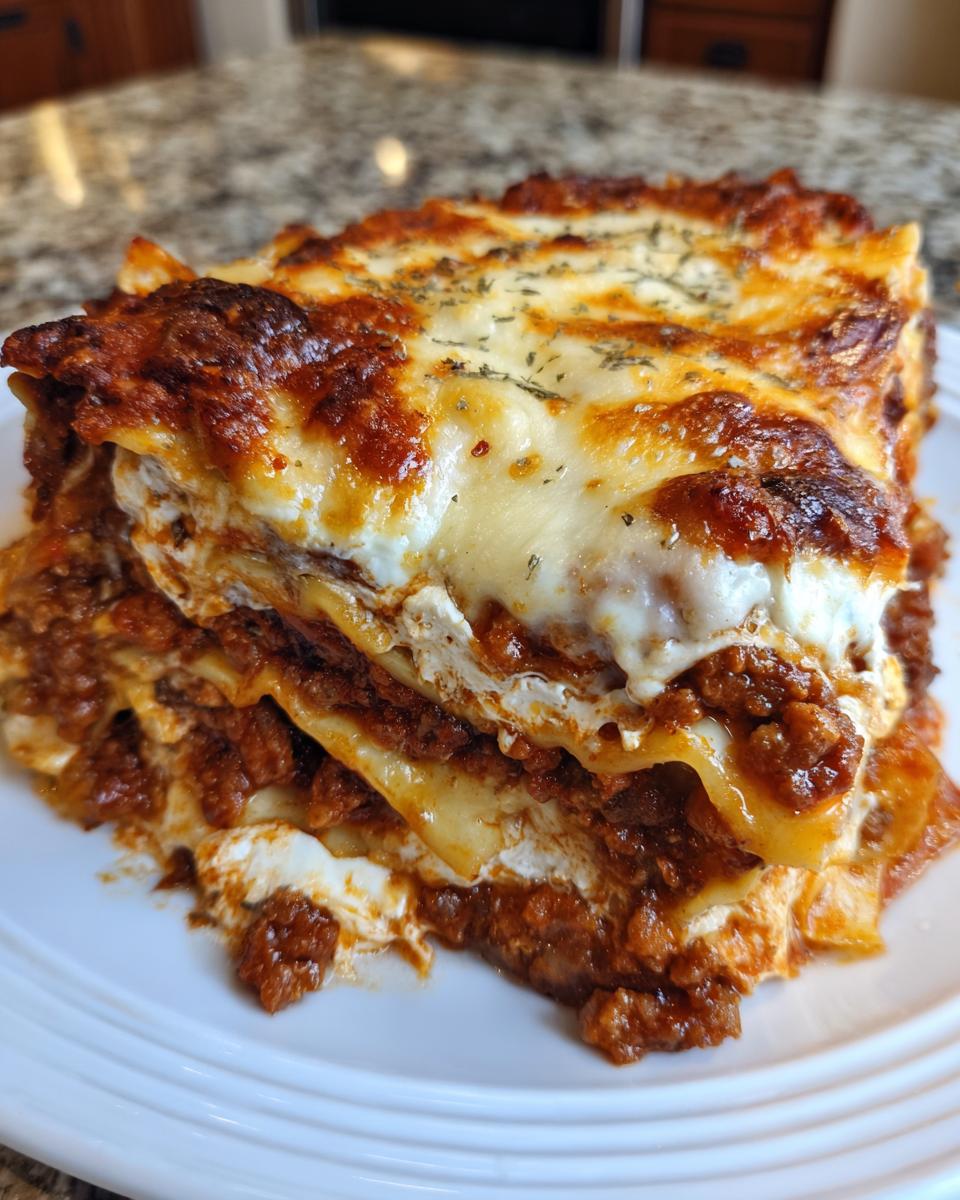
Honestly, the difference between a good sheet pan lasagna and a totally legendary one comes down to a couple of tiny, specific tricks related to cooking on a flat surface. Don’t just use any old baking tray you find lurking in the cupboard! You need a rimmed baking sheet, usually about 18×13 inches, because we need those edges sticking up high enough to catch the crisping action but still keeping the sauce contained.
When you cover it with foil, really press that foil down around the edges before you put it in the oven. We want to trap every bit of steam possible during the first 30 minutes so those no-boil noodles get totally hydrated. If the foil is loose, the steam escapes and those noodles end up stiff in the middle! I love seeing what other folks are doing to keep their bakes perfect; I saw one great tip suggesting using a square pan if available, but my trusty rectangle always does the trick for me when I’m making things like my Pizza Pasta Bake!
Serving Suggestions for This One Pan Italian Meal
Whew! Once you pull that cheesy goodness out of the oven, you’re going to need something bright and fresh to cut through all that richness, right? Because this is such a hearty, crowd-pleasing one pan Italian meal, I usually like to keep the sides super simple, but I never skip the greens. No one wants to eat just cheesy pasta for dinner, even if those edges are perfect!
My go-to move is to serve this immediately alongside a huge, crisp salad. Something with a sharp vinaigrette is the absolute best counterpoint to heavy ricotta and mozzarella. I’m obsessed with my recipe for the ultra-crunchy cabbage salad because it stays crisp even if you make it an hour ahead.
If it’s cold outside, though, forget the salad and go straight for my famous broth soup. It’s called ‘Italian Penicillin’ in my house because it cures everything! You should check out the recipe for my simple Italian Penicillin Soup. It’s basically just a bright, lemony chicken broth situation with great herbs. It warms you up without weighing you down after you’ve had your fill of that baked pasta perfection. Trust me, a little fresh acidity makes the whole meal sing!
Storage and Reheating Sheet Pan Lasagna
Even though we made this for dinner tonight, sometimes leftovers are honestly the best part! If you have any of this glorious sheet pan lasagna left—and trust me, you might want to make extra just in case—storage is super simple. Make sure it has cooled down a bit first, then cover the pan tightly with plastic wrap or transfer the slices into an airtight container. It keeps beautifully in the fridge for up to four days. This is why I think it’s one of the best meal prep lasagna options out there!
When you’re ready for round two, I highly recommend reheating it in the oven if you have a few extra minutes. Cover it loosely in foil and warm it at 350°F until steamy, maybe 15 minutes. If speed is the main goal, the microwave works fine, but be generous with setting the power level lower to avoid those rubbery spots. Those crispy edges might soften slightly when reheating, but the flavor is still incredible!
Frequently Asked Questions About Sheet Pan Lasagna
Whenever I switch up a classic dish, I always get questions! It’s smart to ask before you dive in, especially when you’re trying a new technique like baking pasta on a sheet pan instead of a deep dish. These answers should cover everything you need to know to make sure your easy weeknight dinners go off without a hitch!
Can I make this Sheet Pan Lasagna ahead of time?
You totally can! This is great for making ahead, which means less stress when dinnertime rolls around. You have two options, depending on when you plan to bake it. You can assemble the entire thing—noodles, sauce, cheese, all layered up—and cover it TIGHTLY with plastic wrap. Keep it in the fridge for up to 24 hours. When you’re ready to bake, just add about 10 extra minutes to the covered baking time since it’s going in cold. As for freezing, it works best if you freeze it *before* baking, covered very well in a disposable pan just in case the structure gets weird in a regular sheet pan!
What pan size is best for this recipe?
This is super important for getting those perfect textures! You want to use the biggest rimmed baking sheet you comfortably own. The ideal size is generally around 18 by 13 inches. We need that large surface area so the noodles aren’t stacked too high and we maximize the amount of surface area that touches the sides of the pan. That’s our secret weapon for getting that amazing, crunchy, crispy edge lasagna recipe texture in every part of the dish. If your pan is too small, you’ll end up with a very tall, steamy middle section, which defeats the whole purpose of this quick bake!
Why aren’t my edges crispy?
Oh, that’s the saddest thing! If your edges stayed soft, it usually means one of two things happened. First, you might have had too much liquid in the pan, which turned the edges into steam instead of letting them bake directly against the metal. Make sure you drain your beef really well! Second, and this happens a lot with no fuss casserole bakes, you didn’t uncover it long enough, or maybe the foil trapped too much steam. You need that good 10 to 15 minutes of uncovered baking time to caramelize the edges and dry out that top layer of cheese perfectly. Don’t be scared to let it go a little longer if the center is already bubbling!
Estimated Nutrition for Your Sheet Pan Lasagna
Okay, so we made an amazing, fast, cheesy dinner! Now, let’s just glance at the numbers. I always tell people to take nutrition facts with a little grain of salt, because what brand of mozzarella you buy can totally change the sodium count, right? But this gives you a good ballpark figure for this hearty quick and healthy lunch recipe.
Based on the ingredients we used, here is what you can generally expect for one serving of this glorious sheet pan lasagna casserole. Remember, these are just estimates, so take them as a guide, not a strict rulebook!
- Serving Size: 1 serving
- Calories: 550
- Fat: 30g (with 15g saturated)
- Carbohydrates: 45g
- Protein: 35g
- Sugar: 8g
- Sodium: 750mg
It’s surprisingly high in protein, which is great for a family meal that keeps everyone feeling full! The main thing to watch is the sodium because we are using jarred marinara sauce and plenty of Parmesan and mozzarella. But hey, that’s the flavor cost of making a great Italian bake, and I think it’s totally worth it for a weeknight treat!
Share Your Sheet Pan Lasagna Experience
I put my heart and soul into making sure this sheet pan lasagna gives you those amazing crispy edges without all the layering headache. Now it’s your turn! I absolutely love hearing from you when you try my recipes. Did it change your weeknight routine? Did you manage to get that perfect crust?
Please leave a star rating right here on the page, and drop a comment below telling me all about it. Your feedback helps other cooks feel confident stepping away from the old way of doing things. If you have any questions, remember you can always get in touch with us over at our contact page. Happy baking, friends!
PrintEasy Sheet Pan Lasagna with Crispy Edges
Make classic lasagna flavors with half the fuss using this simple sheet pan method. This recipe skips tedious layering for quicker cooking and delivers satisfyingly crispy edges.
- Prep Time: 15 min
- Cook Time: 45 min
- Total Time: 60 min
- Yield: 6 to 8 servings 1x
- Category: Dinner
- Method: Baking
- Cuisine: Italian
- Diet: Vegetarian
Ingredients
- 9 no-boil lasagna noodles
- 1 pound ground beef
- 1 jar (24 ounces) marinara sauce
- 15 ounces ricotta cheese
- 2 cups shredded mozzarella cheese
- 1/2 cup grated Parmesan cheese
- 1 large egg
- 2 cloves garlic, minced
- 1 teaspoon Italian seasoning
- 1/2 teaspoon salt
- 1/4 teaspoon black pepper
- Fresh basil or parsley for garnish
Instructions
- Preheat your oven to 375°F (190°C). Lightly grease a large, rimmed sheet pan.
- Cook the ground beef and minced garlic in a skillet over medium heat until the beef is browned. Drain any excess fat from the skillet.
- Stir the marinara sauce, Italian seasoning, salt, and pepper into the cooked beef mixture. Remove the skillet from the heat.
- In a separate bowl, mix the ricotta cheese, egg, Parmesan cheese, and a pinch of salt until combined.
- Spread a thin layer of the meat sauce over the bottom of the prepared sheet pan.
- Break the lasagna noodles into pieces that fit the pan, arranging about one-third of the noodles over the sauce layer.
- Spread half of the ricotta mixture evenly over the noodles. Top this with one-third of the remaining meat sauce.
- Repeat the layering: add another third of the noodles, the remaining ricotta mixture, and another third of the meat sauce.
- Place the final third of the noodles on top, cover them completely with the remaining meat sauce, and sprinkle the entire top with the shredded mozzarella cheese.
- Cover the sheet pan tightly with aluminum foil. Bake for 30 minutes.
- Remove the foil and continue baking for an additional 10 to 15 minutes, or until the cheese is melted, golden, and the edges are crispy.
- Let the lasagna cool on the pan for 5 minutes before slicing. Garnish with fresh basil or parsley before serving.
Notes
- Using no-boil noodles helps keep the moisture level correct for this shallow pan bake.
- For extra crispy edges, ensure the edges of the noodles and sauce touch the sides of the pan during the final uncovered bake time.
- This recipe works well for meal prepping; leftovers reheat nicely.
Nutrition
- Serving Size: 1 serving
- Calories: 550
- Sugar: 8
- Sodium: 750
- Fat: 30
- Saturated Fat: 15
- Unsaturated Fat: 15
- Trans Fat: 1
- Carbohydrates: 45
- Fiber: 3
- Protein: 35
- Cholesterol: 100