

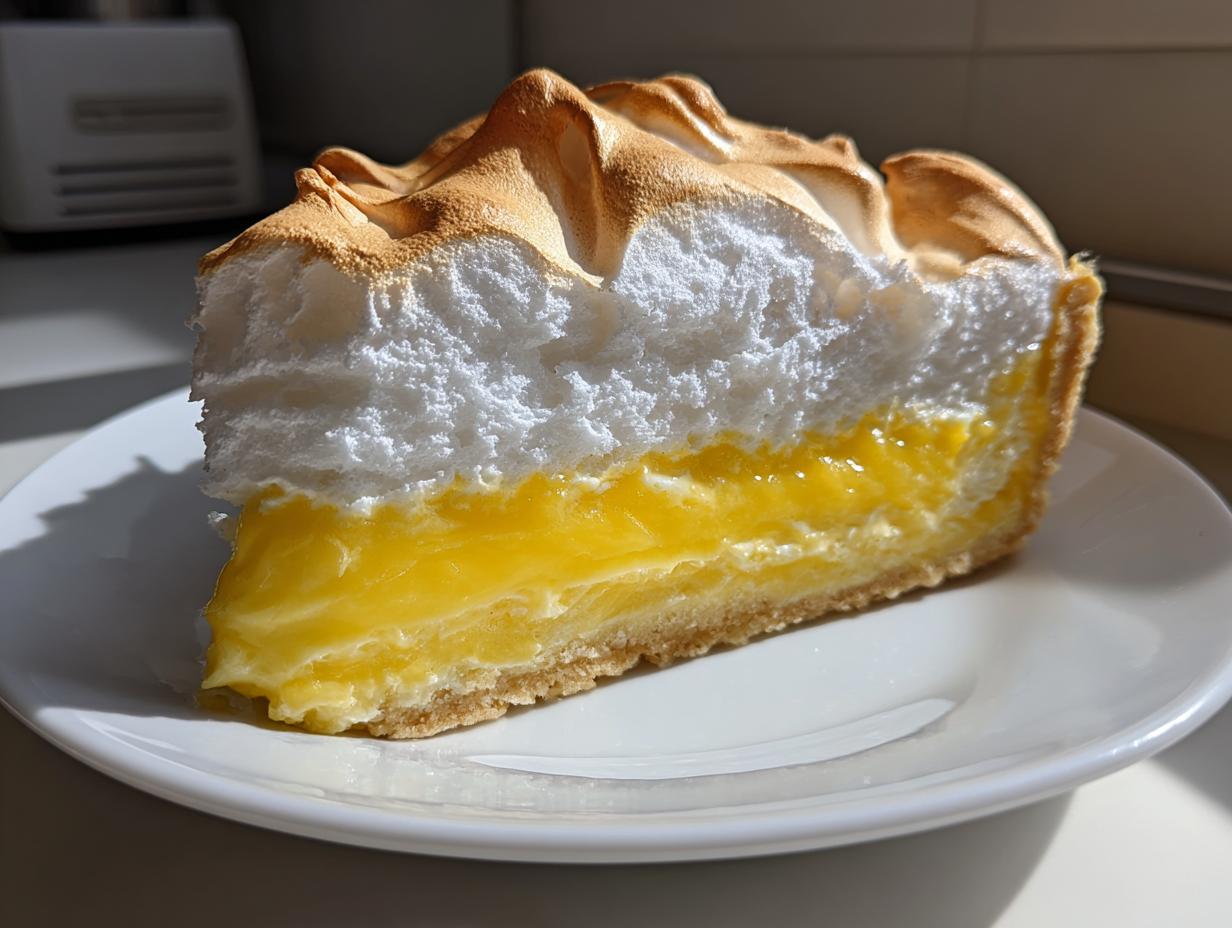
If you’ve ever seen a show-stopping Lemon Meringue Pie—tall, majestic, with perfectly toasted peaks—and thought, “I could never make that,” well, you’re wrong! Seriously, I’m here to banish those boxed-mix blues forever. This is my absolute best, totally from-scratch lemon meringue pie recipe, and I guarantee it will deliver that zesty, tart custard and the high, cloud-like meringue you—and frankly, your Grandma—would expect. We’re focusing on technique here so your meringue stays stable and gorgeous. Trust me, once you master this, it’s going to be your new favorite way to wow everyone at spring gatherings or just on a random Tuesday! For more on why we believe in kitchen confidence, you can always check out our story over at Cookery Command.
- Why This Homemade Lemon Meringue Pie Recipe Succeeds (E-E-A-T)
- Gathering Your Ingredients for Classic Lemon Meringue Pie
- How to Prepare the Ultimate Lemon Meringue Pie
- Tips for a Showstopping Lemon Meringue Every Time
- Ingredient Notes and Substitutions for Your Lemon Meringue
- Serving Suggestions for Your Classic Lemon Meringue Pie
- Storage and Reheating Instructions for Leftover Lemon Meringue
- Frequently Asked Questions About Lemon Meringue Pie
- Share Your Best Lemon Meringue Creations
Why This Homemade Lemon Meringue Pie Recipe Succeeds (E-E-A-T)
Look, I get it. A perfect lemon meringue pie seems impossible. People worry about runny filling or that sad, leaky puddle under the meringue—we call that weeping, and we aren’t having it! This recipe is my true Family Favorite Pie because we tackle those issues head-on. Following these steps means you are guaranteed a Showstopping Dessert every single time.
Achieving the Perfect Zesty Lemon Custard
The secret to that thick, never-soupy center is twofold. First, you absolutely must cook your cornstarch and liquid mixture until it’s bubbling hard, and then keep it simmering for a full minute after that boil starts. That activates maximum thickening power! Second, tempering those egg yolks correctly ensures you don’t end up scrambling them later. My glorious From Scratch Lemon Custard is always perfectly vibrant and firm because of this focus on heat control.
Secrets to a Fluffy Meringue Topping That Holds Up
This is where most people quit, but you won’t! I swear by using egg whites that are completely at room temperature—they whip up to way more glorious volume that way. Also, don’t skip the cream of tartar! It acts like scaffolding for the air bubbles. If you follow my No Weeping Meringue Tips and ensure that meringue seals completely against the hot filling, you’ll have those dreamy, stable peaks that bake up golden brown without any sogginess!
Gathering Your Ingredients for Classic Lemon Meringue Pie
Alright, now that we’ve talked about *why* this works, let’s talk about what you need to pull this Best Lemon Meringue Pie out of the oven. Remember, since we are going fully homemade—no cheating!—we need quality ingredients, especially for that tangy punch. Get everything measured out before you start, because once that custard stove gets going, you won’t have time to hunt for zest!
For the Buttery Pie Crust (Pre-Baked)
This is the unsung hero, seriously. A crisp, Buttery Pie Crust Recipe makes all the difference! For this recipe, you need one complete 9-inch crust that has been fully blind-baked until golden and then allowed to cool down completely on a wire rack. If you don’t have my go-to recipe memorized yet, just make sure yours is done and cooled—lukewarm crusts scare the custard, trust me!
For the Zesty Lemon Custard Filling
This is where the bright flavor comes from:
- 1 1/2 cups granulated sugar
- 1/3 cup cornstarch
- 1/4 teaspoon salt
- 1 1/2 cups cold water
- 4 large egg yolks, lightly beaten
- 1/2 cup fresh lemon juice (This has to be fresh!)
- 2 tablespoons lemon zest (Use a microplane for the best result!)
- 2 tablespoons unsalted butter
For the Tall, Fluffy Meringue Topping
These ingredients guarantee volume and stability:
- 6 large egg whites (make absolutely sure they are room temperature!)
- 1/2 teaspoon cream of tartar (essential!)
- 1/2 cup granulated sugar (for the meringue, this is separate)
How to Prepare the Ultimate Lemon Meringue Pie
Okay, this is the main event! Making a truly great lemon meringue pie is all about timing and temperature control across three distinct stages. Don’t rush any step, especially the cooling! If you follow my lead here, you’ll end up with that picture-perfect, bright, zesty slice everyone dreams about. For any general site information related to our recipe testing, you can check our policy page, but for now, let’s bake!
Step 1: Preparing the Base for Your Lemon Meringue
First things first: that crust needs to be chill! You need your 9-inch pie crust to be completely blind-baked and totally cooled before that hot custard even thinks about touching it. If your crust is even slightly warm, the filling will melt the buttery structure, and we’ll end up with a soggy bottom. You want that crust crisp and set. If you need a refresher on getting that perfect Buttery Pie Crust Recipe ready, check out my guide—but make sure it’s room temperature before we move on!
Step 2: Cooking the From Scratch Lemon Custard
Time to make that glorious filling. In your saucepan, whisk together the big sugar amount, cornstarch, and salt well before adding the cold water smoothly. Heat this over medium until it starts bubbling hard—and I mean really bubbling! Keep stirring and let it boil steadily for a full minute after that first big bubble pops. This guarantees the cornstarch is fully cooked. Now, take a cup of that hot mixture and *slowly* whisk it into your four beaten egg yolks—this is called tempering, and it keeps them from scrambling, which is a catastrophe! Once tempered, pour the yolks back into the pan and cook again until it thickens up again and boils for one more minute. Take it off the heat, stir in the lemon juice, zest, and that final knob of butter. Pour the hot filling right into that waiting, cool crust immediately.
Step 3: Whipping and Sealing the Fluffy Meringue Topping
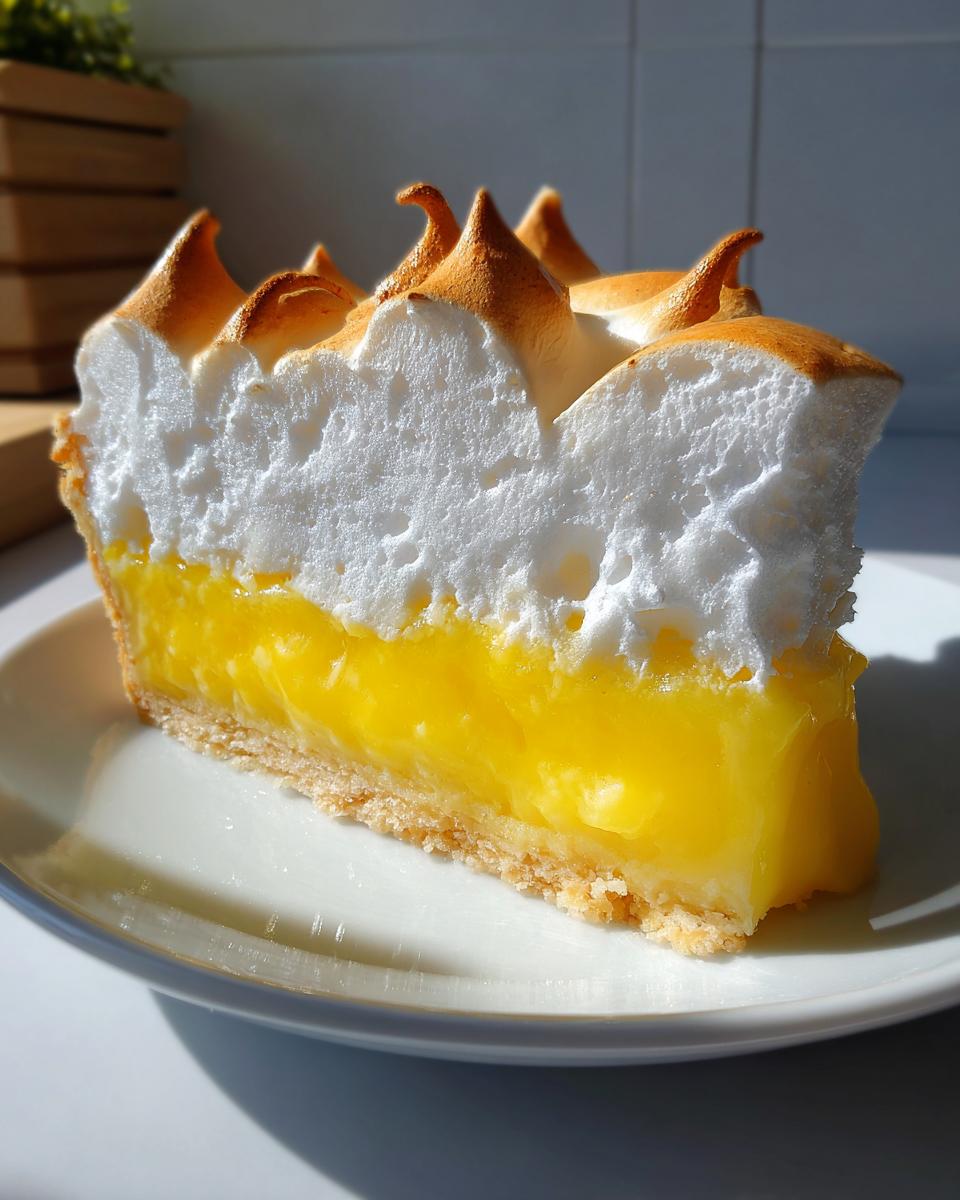
Get those room-temperature egg whites into a perfectly clean, grease-free bowl. Start whipping them until you hit soft peaks—they look a little droopy but hold a gentle shape. Now, add that smaller amount of sugar gradually, a spoonful at a time, beating high until you get those stiff, glossy peaks that stand straight up! Don’t overbeat, or it gets grainy. This is critical for the best Fluffy Meringue Topping. You must spread this meringue over the *hot* filling right now. Spread it all the way to the edges of the crust so it seals against the edge all the way around. This seal is your first line of defense against the meringue shrinking away from the filling later!
Step 4: Baking and Cooling the Lemon Meringue
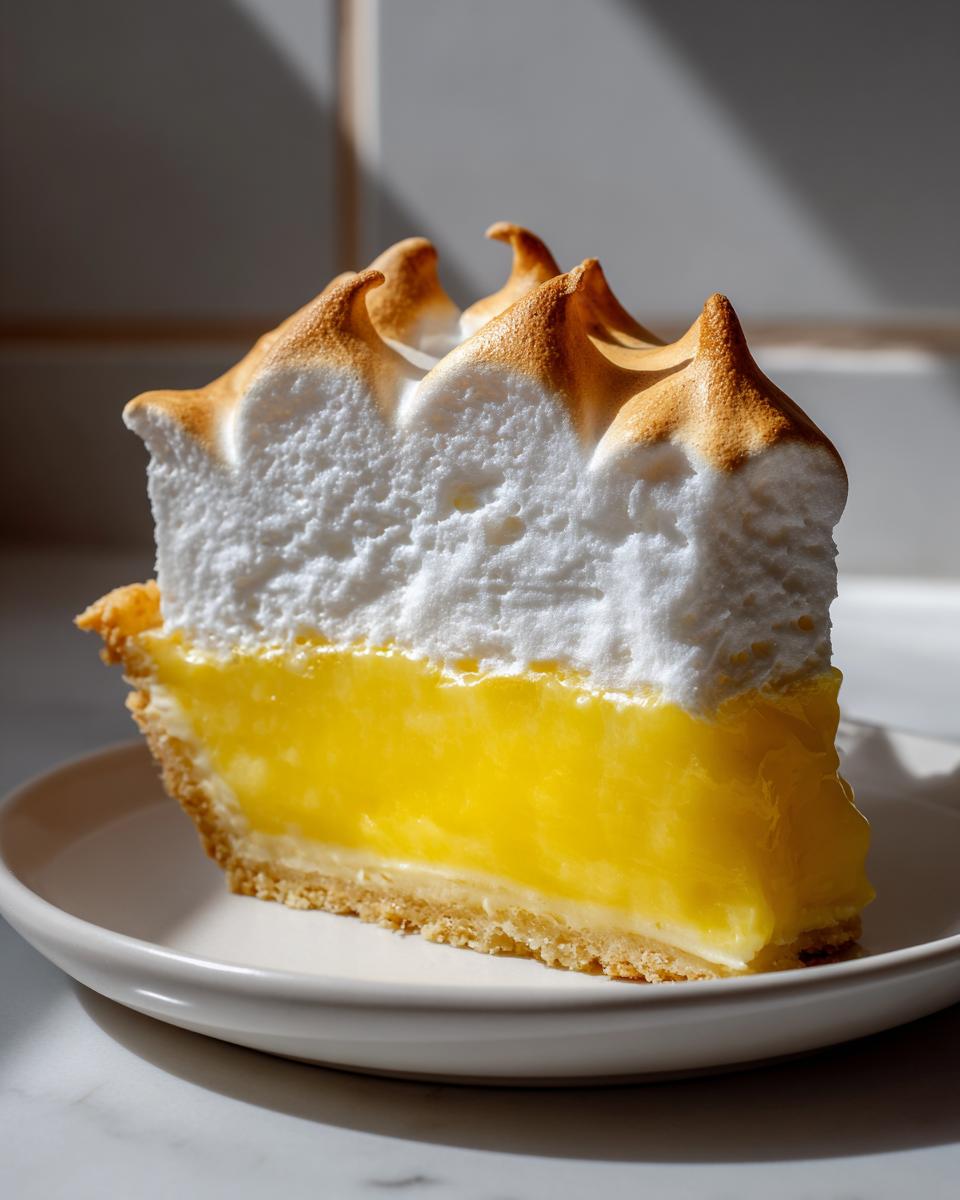
Pop that masterpiece into a 350°F oven for about 12 to 15 minutes. You just want those lovely peaks to kiss the golden brown color of sunshine. Pull it out and—this is the hardest part—you have to let it cool slowly on the counter at room temperature for at least four hours! Resist the fridge for now; quick chilling is what causes weeping. Patience here pays off big time for a perfect lemon meringue.
Tips for a Showstopping Lemon Meringue Every Time
Even with a perfect recipe, sometimes a little troubleshooting helps! These little pieces of wisdom come straight from baking failures so you don’t have to experience them. Keep these short checks in mind for the cleanest, most beautiful lemon meringue pie presentation outside of a pastry window.
- To really help prevent weeping, make absolutely sure that thick, hot filling meets the meringue right at the very edge of the crust. We need a complete seal!
- Remember to use room temperature egg whites for your meringue. Seriously, room temp gives you so much more volume, making it fluffier while still staying stable.
- Don’t fall in love with the mixer and keep going once you hit stiff peaks with the sugar in the meringue. Over-beating leads to a granular texture which can also cause separation later on.
- When it’s time to slice this beauty? Get a nice sharp knife and dip it into hot water between every single cut. Trust me, it makes for incredibly clean slices! You can check out great ideas for beautiful pies like this over at this recommendation.

Ingredient Notes and Substitutions for Your Lemon Meringue
We’re aiming for that perfect Tangy Sweet Dessert experience, which means paying attention to our star flavor driver: the lemon! Honestly, once you start substituting key ingredients in this recipe, you start moving away from the classic texture we’re aiming for. I’ve learned over the years that cheating on certain items just doesn’t pay off when you want that showstopper!
For instance, bottled lemon juice is a major no-go for me. It just doesn’t have the bright acidity or that fresh, vibrant perfume that real juice provides. You’ll notice the flavor falls flat when you use concentrate, so take the extra five minutes to squeeze those fresh lemons!
What about that essential lift in the meringue? If you happen to be staring tragically into your pantry and realize you are fresh out of cream of tartar, don’t panic! You have a couple of options that work in a pinch. You can substitute it with either a teaspoon of white vinegar or about a teaspoon and a half of lemon juice. These acidic elements do the same job—they help stabilize those egg whites so they can reach maximum fluffy height without collapsing.
Also, when it comes to the butter in the custard, real unsalted butter is non-negotiable. Margarine or spreads just don’t deliver the same richness or mouthfeel when they melt into that hot lemon filling. Simple swaps can really undermine all the hard work we put into tempering those yolks!
Serving Suggestions for Your Classic Lemon Meringue Pie
Once you have battled the heat, mastered the temper, and achieved that towering golden top on your lemon meringue pie, the final hurdle is serving it gracefully! Remember, this pie is intensely rich—it’s tangy, it’s sweet, and that crust is delightfully buttery. Because it’s such a satisfying Summer Dessert Recipe, I often find it’s best served balanced with something very light.
I love keeping the accompaniment super simple. A delicate side of fresh, unsweetened whipped cream works beautifully just to cut through that amazing tartness of the lemon curd. Or, for something really elegant, just a sprinkling of flaky sea salt right on top of the meringue just before serving can make the flavors pop—it’s a little secret I picked up!
And let’s talk about presentation one last time. After you’ve patiently cooled that pie, remember what I mentioned about slicing? You want to show off those perfect layers. Make sure your sharp knife is piping hot—dip it in hot water and wipe it dry between every single cut. This neat trick prevents the meringue from dragging and keeps your custard filling sitting up straight on the plate. If you want some inspiration on how people are serving glorious pies like this, check out some amazing presentations over at this site!

Storage and Reheating Instructions for Leftover Lemon Meringue
Oh, the dilemma! You made a perfect lemon meringue pie, and somehow you have leftovers. Congratulations, first off! But now you have to store it, and that meringue layer is notoriously fussy. You can’t just shove it carelessly into the fridge like a leftover casserole, or you’ll pay the price tomorrow with weeping and deflating meringue!
Here is the absolute key to keeping your beautiful pie looking amazing for those second-day slices. You have to let the pie sit on the counter at room temperature for about four hours after baking before you even think about cooling it down. That initial slow cool keeps the filling set and stable. Once it’s totally cool to the touch—and I mean completely cool—then, and only then, you can wrap it up and put it away.
When wrapping, don’t let plastic wrap touch the meringue peaks! They will stick, pull off, and look messy. I use toothpicks stuck strategically around the sides of the pie to create a little tent structure for an overturned bowl or a slightly tented piece of aluminum foil over the top. This keeps the air circulating slightly while protecting the meringue from drying out or getting condensation damage.
Try to eat this pie within two days for the best texture. The custard tends to start getting firmer—almost jelly-like—after day three, and the meringue starts getting soggy no matter what you do. Reheating isn’t really a thing for lemon meringue pie; it’s best served cold or slightly chilled right out of the fridge. But honestly, if you made it right, it won’t last long enough to worry about reheating!
Frequently Asked Questions About Lemon Meringue Pie
If you’ve got last-minute jitters before you pull this beautiful thing out of the oven, don’t sweat it! It’s totally normal. I’ve collected the things people ask me most often when they are trying to achieve that perfect, tangy, sweet balance in their first or just their best attempt at a lemon meringue masterpiece. If you have another burning query, feel free to drop it in the comments section when you reach the end, or zip over to the contact page!
Can I use bottled lemon juice in my lemon meringue?
Oh, I really, strongly suggest you don’t! While I understand the convenience, bottled juice just lacks that necessary zing and acidity to really make the custard shine. You need that real, fresh lemon flavor to balance the sugar, and honestly, the structure of the custard relies on the natural acid working with the cornstarch and yolks. For true Classic Lemon Meringue Pie flavor, fresh is the only way to go, even if it feels like more work!
How do I prevent the meringue from shrinking on my lemon meringue?
This is all about the seal! When you spread that fluffy meringue on top of the filling, you have to make sure it touches the crust edge all the way around the perimeter. Think of it like sealing a jar—you need that continuous contact between the hot filling and the meringue so the air bubbles trapped inside the meringue don’t escape when it bakes. A complete edge-to-edge seal stops the meringue from pulling away from the filling while it cools, which is when shrinking and weeping happens!
Can I make Mini Lemon Meringue Tarts instead?
Yes, you absolutely can! This recipe scales down beautifully for making those adorable little bites, often called Mini Lemon Meringue Tarts. You’ll want to use standard-sized muffin tins instead of a big pie dish. You still bake the crust shells (or use pre-made mini shells), but the filling and meringue need less time in the oven—usually just about 10 minutes until the tops are lightly browned since they are so shallow. They look so charming on a platter!
Share Your Best Lemon Meringue Creations
That’s it! You have officially conquered the Classic Lemon Meringue Pie. I am so incredibly proud of you for tackling this from scratch. Now that you’ve got that zesty filling and that perfectly tall, fluffy meringue topping, I really, really want to see what you made!
Did those peaks turn out golden brown just like you hoped? Did your family gasp when you brought this beauty to the table? Don’t keep that success story locked away! I absolutely love seeing your kitchen adventures.
Please leave me a comment down below. Tell me how the tempering went for you, or if you tried adding a little extra zest. If you managed to snap a photo of your gorgeous, showstopping slice, I’d love to see it! Don’t hesitate to share your ratings and feedback too; that helps other bakers conquer their fear of meringue. Happy baking, friends; I can’t wait to hear from you!
PrintThe Ultimate Homemade Lemon Meringue Pie (From Scratch with Tall, Stable Meringue)

Make a classic, showstopping Lemon Meringue Pie with a buttery crust, a zesty, tart lemon custard filling, and a high, fluffy, toasted meringue topping that resists weeping.
- Prep Time: 30 min
- Cook Time: 45 min
- Total Time: 5 hours 15 min
- Yield: 8 servings 1x
- Category: Dessert
- Method: Baking
- Cuisine: American
- Diet: Vegetarian
Ingredients
- 1 recipe for 9-inch Buttery Pie Crust (blind baked)
- 1 1/2 cups granulated sugar
- 1/3 cup cornstarch
- 1/4 teaspoon salt
- 1 1/2 cups cold water
- 4 large egg yolks, lightly beaten
- 1/2 cup fresh lemon juice
- 2 tablespoons lemon zest
- 2 tablespoons unsalted butter
- 6 large egg whites, room temperature
- 1/2 teaspoon cream of tartar
- 1/2 cup granulated sugar (for meringue)
Instructions
- Prepare your 9-inch pie crust and blind bake it according to your preferred recipe. Let the crust cool completely.
- For the lemon custard, whisk together 1 1/2 cups sugar, cornstarch, and salt in a medium saucepan. Gradually whisk in the cold water until smooth.
- Place the saucepan over medium heat. Cook, stirring constantly, until the mixture thickens significantly and bubbles. Continue to cook and stir for one minute after boiling starts. Remove from heat.
- In a separate bowl, whisk the egg yolks. Slowly temper the yolks by whisking about one cup of the hot cornstarch mixture into the yolks. Then, pour the tempered yolk mixture back into the saucepan with the remaining hot mixture.
- Return the saucepan to medium heat. Cook, stirring constantly, until the custard returns to a boil and thickens again. Boil for one minute. Remove from heat immediately.
- Stir in the lemon juice, lemon zest, and butter until the butter melts completely. Pour the hot lemon custard into the cooled, pre-baked pie shell.
- For the meringue, place the room temperature egg whites in a clean, grease-free mixing bowl. Beat on medium speed until soft peaks form.
- Add the cream of tartar and gradually add the 1/2 cup of sugar, one tablespoon at a time, while beating continuously. Increase the speed to high and beat until stiff, glossy peaks form. The meringue should hold its shape firmly.
- Spread the meringue over the hot lemon filling, making sure the meringue touches the edge of the crust all the way around to seal it. This helps prevent shrinking. Create swirls and peaks on top.
- Bake the pie at 350°F (175°C) for 12 to 15 minutes, or until the meringue peaks are lightly golden brown.
- Cool the pie completely on a wire rack at room temperature for at least 4 hours before slicing. Avoid placing it in the refrigerator immediately, as rapid cooling can cause weeping.
Notes
- To prevent weeping, make sure the meringue completely seals the hot filling to the crust edge.
- Use room temperature egg whites for the meringue; they whip up to a higher volume.
- For a stable meringue, do not over-beat the egg whites past the stiff peak stage.
- Slice the pie using a sharp knife dipped in hot water between cuts for clean servings.
Nutrition
- Serving Size: 1 slice
- Calories: 380
- Sugar: 45g
- Sodium: 150mg
- Fat: 18g
- Saturated Fat: 7g
- Unsaturated Fat: 11g
- Trans Fat: 0g
- Carbohydrates: 52g
- Fiber: 1g
- Protein: 6g
- Cholesterol: 110mg