

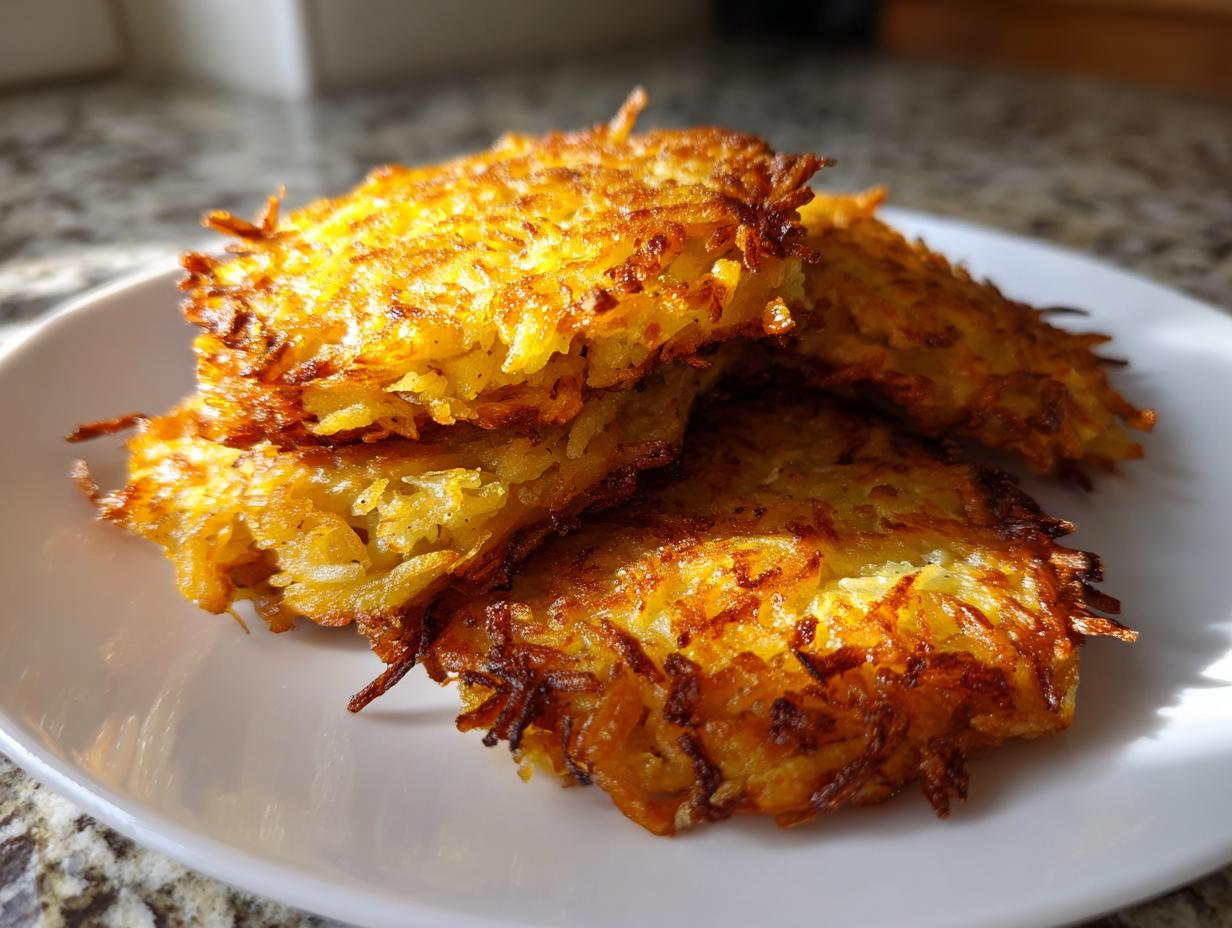
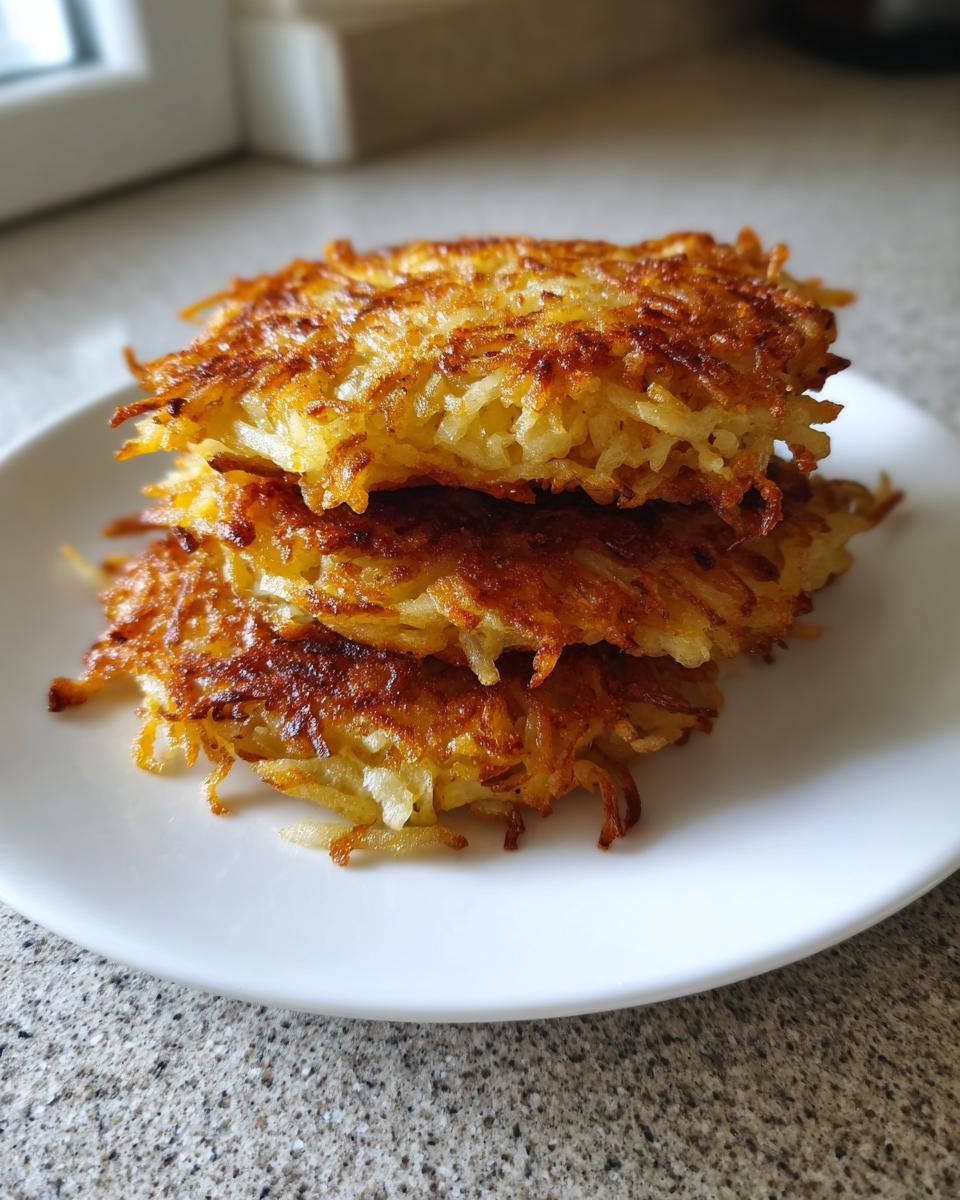
Oh my gosh, is there anything better than food hot right out of the oil? I swear, that sizzle is my favorite sound in the whole house! We are diving deep today into making the absolute best potato latkes—the kind that are shatteringly crisp on the outside but still tender on the inside. Forget those floppy, greasy pancakes that fall apart! The secret to perfectly golden potato latkes that hold their shape comes down to pure technique, which is something I learned the hard way after too many batches ended up soggy.
Making these traditional fried potato fritters is a labor of love, but trust me, the effort you put into squeezing out every bit of water makes all the difference. We’re going back to basics here to ensure you get authentic flavor and incredible texture every single time you whip up a batch of Hanukkah potato pancakes.
- Why This Crispy Potato Latkes Recipe Delivers Texture and Flavor
- Gathering Your Ingredients for Authentic Potato Latkes
- How to Make Latkes From Scratch: Step-by-Step Potato Latkes Instructions
- Expert Tips for Perfect Potato Latkes Every Time
- Serving Suggestions for Traditional Hanukkah Potato Pancakes
- Storage and Reheating Instructions for Fried Potato Fritters
- Frequently Asked Questions About Potato Latkes
- Estimated Nutritional Data for Potato Latkes
- Share Your Experience Making These Potato Latkes
- Estimated Nutritional Data for Potato Latkes
- Share Your Experience Making These Potato Latkes
Why This Crispy Potato Latkes Recipe Delivers Texture and Flavor
Look, I’ve made enough batches of these to know that there are two main reasons people get frustrated. They either taste bland, or they end up totally oily and limp. This recipe is designed to crush both of those problems before they even start! We’re focusing on pure, classic flavor and that perfect snap when you bite in.
- Guaranteed Crispness: We are serious about drying those potatoes out! This technique ensures you end up with golden, crunchy edges instead of sad, greasy blobs.
- Perfect Potato-to-Onion Ratio: The yellow onion we use here adds just enough savory depth and moisture without overpowering the potato flavor. It’s subtle but essential for the best potato latkes.
- Simple, Reliable Binder: We only use eggs and a little bit of flour or matzo meal. This keeps the structure tight so they don’t fall apart in the hot oil, yet it doesn’t make them gummy.
- Fast Fry Time: Because we prep the batter correctly, these cook up quickly. That means less time hovering over the stove, and more time eating them while they’re piping hot!
The Secret to Perfect Crispy Potato Latkes Recipe Texture
Seriously, if you skip the squeezing part, you might as well just stop right here. The single biggest factor that ruins a batch of potato latkes is unextracted liquid. Potatoes are mostly water, and that water turns into steam when it hits the oil, making your fritters steam instead of crisp up. We have to get rid of that water. It’s non-negotiable if you want true crunch!
Gathering Your Ingredients for Authentic Potato Latkes
Okay, step two in becoming a potato latkes master is making sure you have the right lineup of ingredients. This recipe uses simple pantry staples, but the details matter a lot! We need substance for structure and that classic flavor we’re chasing. For about 12 perfect pancakes, grab what you need:
- Three large Russet potatoes—please make sure they’re Russets, they have the right starch content!
- One medium yellow onion—don’t skimp on the onion!
- Two large eggs, just give them a quick whisk.
- A quarter cup of all-purpose flour OR matzo meal, depending on your tradition.
- One teaspoon of salt and a tiny dash of black pepper.
- And of course, plenty of vegetable or canola oil for frying these babies up.
Ingredient Notes and Substitutions for Potato Latkes
Let’s talk specifics, because this is where technique comes in. You *must* use Russet potatoes. They are drier and starchier than waxy potatoes like red potatoes, which means less initial water to squeeze out. We need that starch to act as a natural glue later on!
When it comes to the binder? Flour works perfectly fine for a general crispy potato pancake. However, if you are sticking strictly to tradition, use matzo meal instead—just know matzo meal might absorb liquid slightly faster, so work quickly once you mix everything. And remember what I said earlier: everything needs to be fresh. Grate those potatoes right before you start squeezing them!
How to Make Latkes From Scratch: Step-by-Step Potato Latkes Instructions
Now for the main event! This is where we turn grated spuds into golden perfection. Remember what I said about moisture? We handle that first, and then we move quick because the starch starts working right away in the batter. This recipe for how to make latkes from scratch is all about managing that clock. I always tell people to get their oil heating up right as they finish grating, so everything flows seamlessly.
Preparing the Potatoes and Removing Moisture for Crispy Potato Latkes Recipe
First things first: peel those potatoes and that onion. You can use the large holes on your box grater, which gives a beautiful, rustic texture, or if you’re in a hurry, use the shredding disc on your food processor—just be careful, that thing is speedy! Once everything is grated, dump that heap onto a clean, thin kitchen towel or some sturdy cheesecloth. Now, you need to squeeze. And I mean *squeeze* like your life depends on it!
Don’t be shy! Twist that towel over the sink until you see dark clouds of liquid dripping out. Seriously, you need to squeeze until your hands hurt a little bit. My personal trick for the absolute best potato latkes is to stop, wring it out once, and then open up the towel, fluff the shreds quickly, and squeeze *again*. Most people stop too soon; don’t be most people! That bone-dry mixture is the key to a shatteringly crispy result.
Mixing the Batter and Frying Your Potato Latkes
Once those shreds are dry, toss them into a bowl. Quickly add your beaten eggs, your flour or matzo meal, and the salt and pepper. Mix this gently with a fork—just enough to coat everything. Overmixing develops gluten and makes them chewy, which we absolutely don’t want! As you mix, get that heavy skillet going with about an inch of oil until it hits about 350°F. If you start sweating and the oil isn’t quite ready, tip the bowl over the sink and let the excess potato liquid drip out one last time.
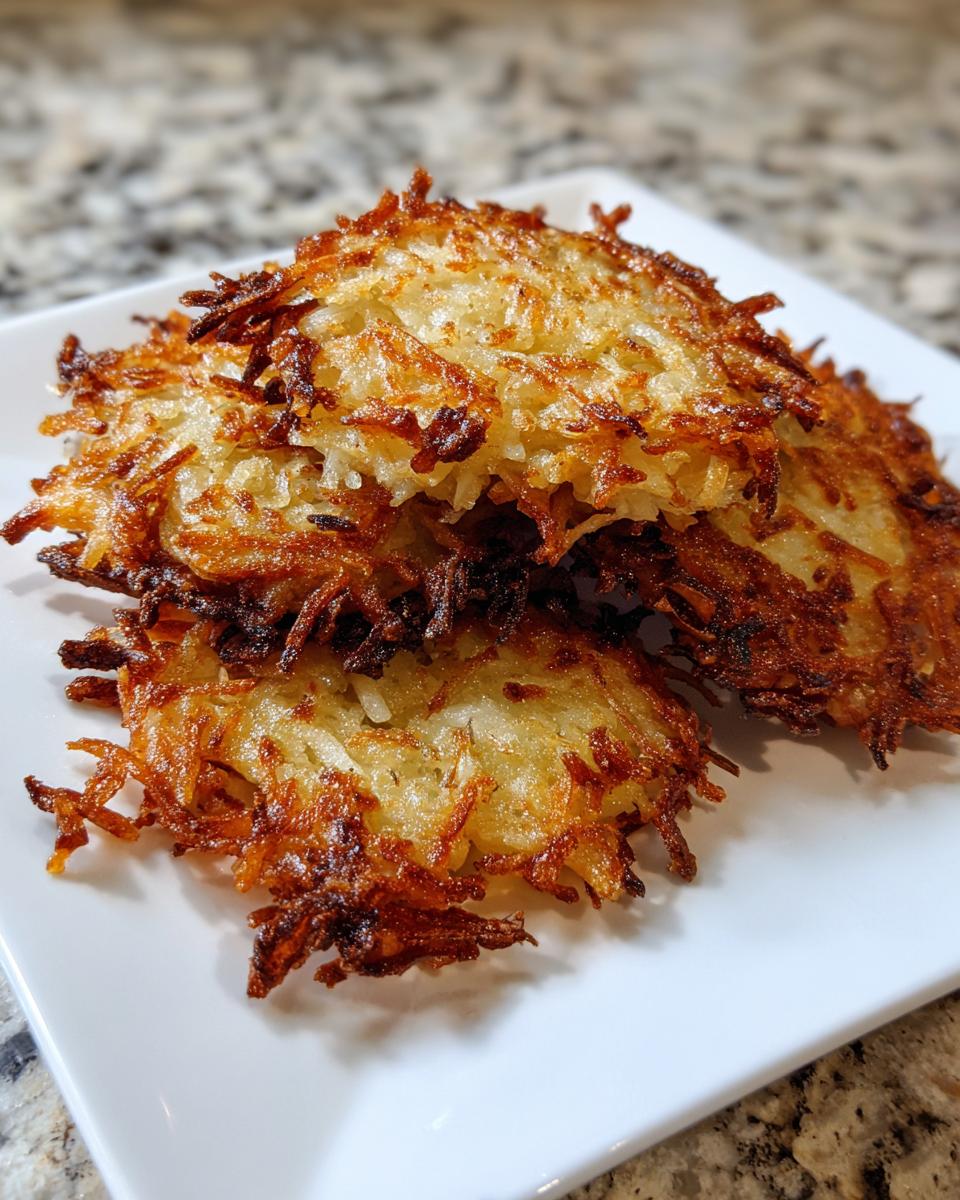
When the oil is shimmering right, carefully drop heaping tablespoons of the mixture in. Flatten them slightly; I use the back of a spoon to gently shape them into those classic rounds. Work in batches so you don’t shock the oil! You want them frying, not stewing. Let them cook for about three to five minutes per side until they are deep, beautiful golden brown. When they look perfect, pull them out onto a paper towel-lined rack. Check out our story on technique—it all starts here!
Expert Tips for Perfect Potato Latkes Every Time
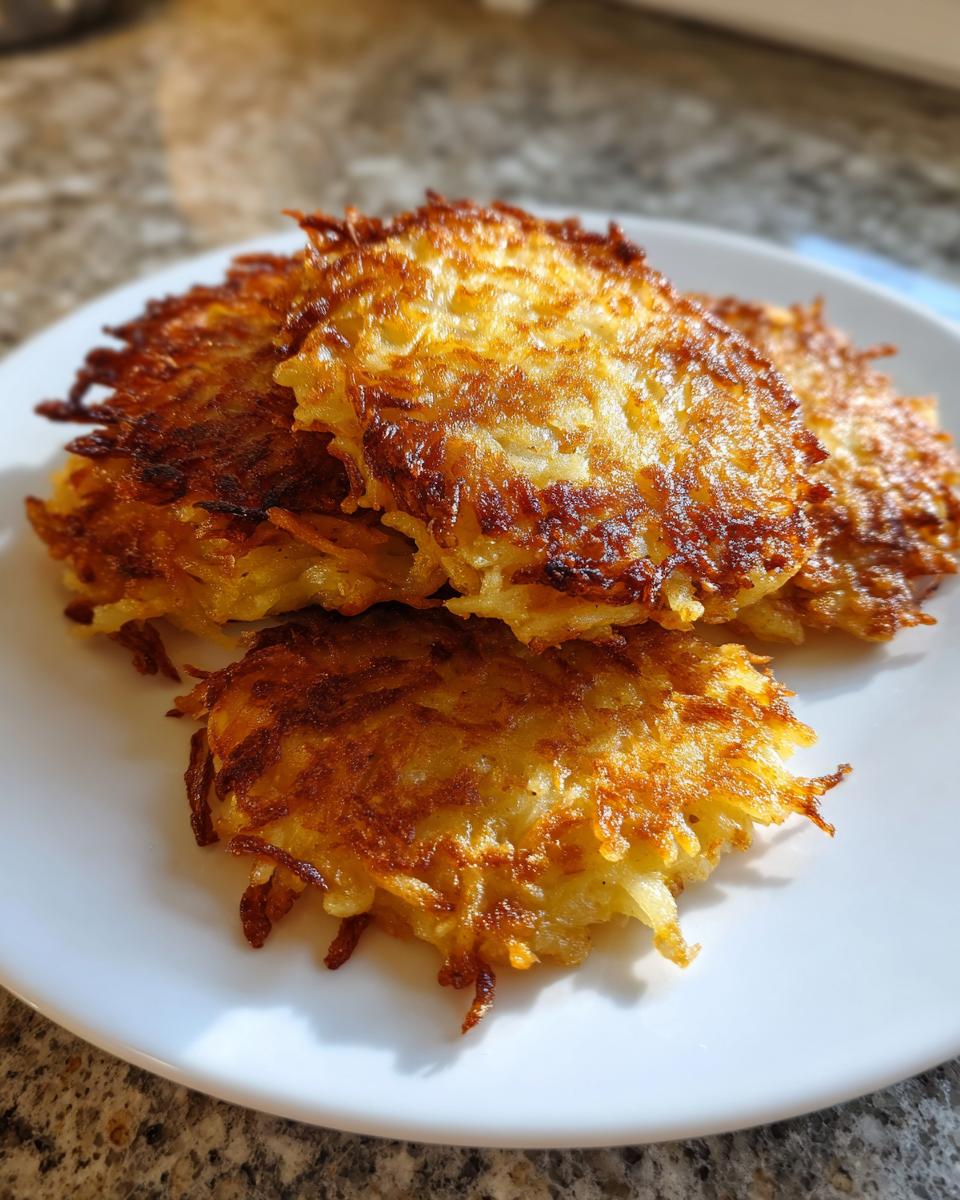
Even with the best recipe, frying can be finicky, right? That’s why I always keep a few secret tricks up my sleeve. These little bits of knowledge are what separate a good batch of potato latkes from an absolutely unforgettable one. Think of these as the little nudges that keep your pan happy!
- Keep the Batter Cold After Mixing: Once you add the egg and flour, the starch in the potatoes starts reacting. If you let the bowl sit on the counter while you’re doing other things, the potatoes release moisture again, making the batter soupy! If you aren’t ready to fry immediately, cover that bowl and pop it in the fridge for 15 minutes.
- Don’t Let the Oil Temperature Dip Too Low: This is crucial if you’re making a big batch. If you dump too many latkes in at once, the oil temperature drops below 325°F, and suddenly, instead of frying, they’re soaking up oil like sponges. If you notice them getting pale quickly, pull them out, crank the heat up for a minute, and let the oil recover before adding the next batch.
- The Spoon Test for Batter Consistency: Sometimes the potatoes are drier than usual, and the batter feels too crumbly. If that happens while you’re mixing, don’t panic! Just add an extra half teaspoon of egg or liquid until you can scoop the mixture. Conversely, if it feels too wet after mixing—and only then—add one more teaspoon of flour or matzo meal.
- Use a Resting Rack, Not Paper Towels Alone: After frying, I always place the drained latkes on a wire cooling rack set over a baking sheet. If you put them straight onto a stack of paper towels, the steam gets trapped underneath, and the bottoms soften. The rack lets air circulate all the way around, keeping those bottoms crisp!
Serving Suggestions for Traditional Hanukkah Potato Pancakes
Honestly, a plate of piping hot latkes begs to be dressed up! These aren’t just fried potato fritters; for many, they represent wonderful memories, so serving them right is important. While they are delicious all on their own—seriously, that fresh crunch is amazing—they traditionally sing when paired with cool, creamy, and slightly tart accompaniments.
When I’m making these for my family, I always set up a little toppings bar. It just feels festive! For your batch of Hanukkah potato pancakes, you absolutely need the classics first. Sour cream is mandatory—the thick, tangy flavor just cuts through the richness of the fried potato perfectly.
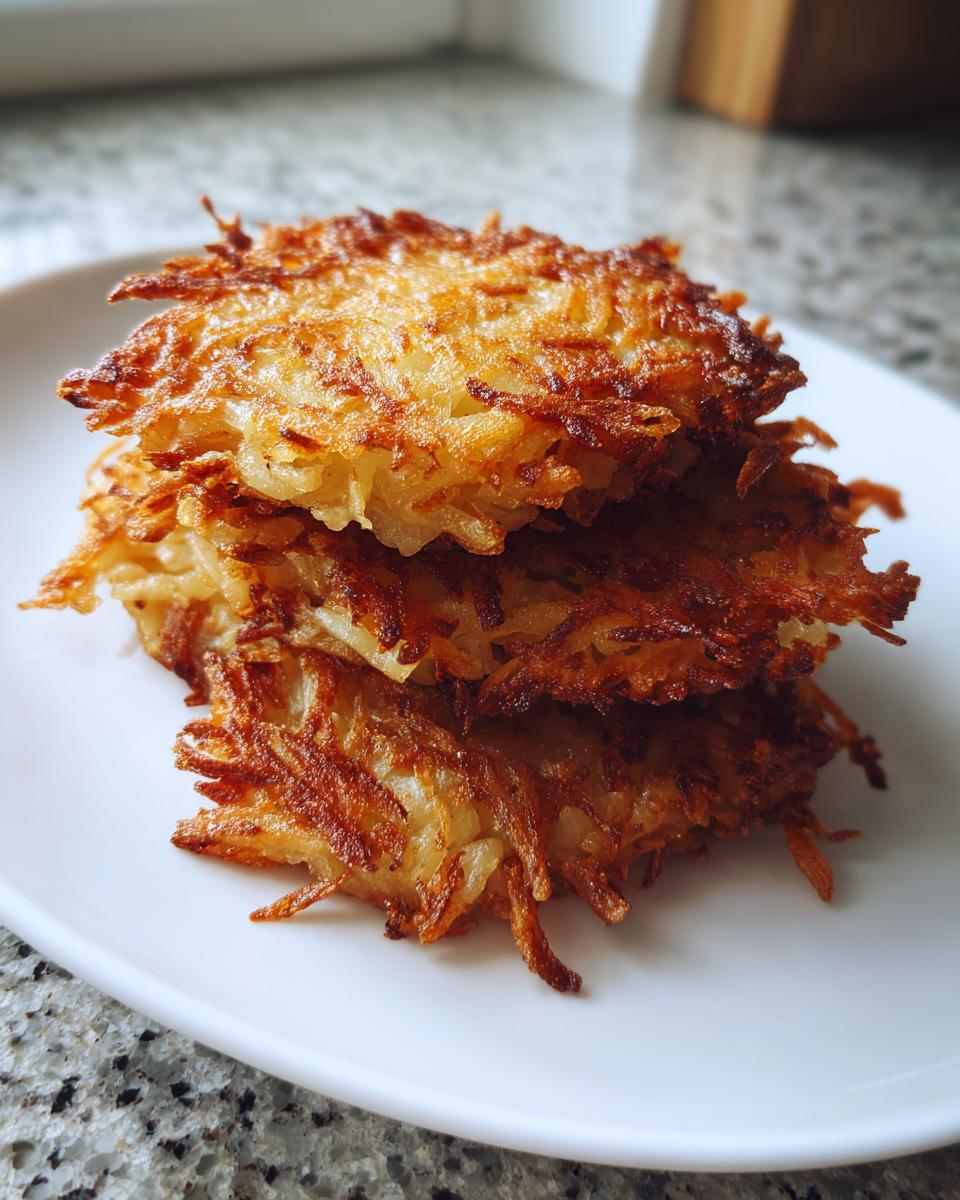
Second, you must have applesauce! It sounds old-fashioned, but the sweetness and slight fruitiness are the ideal counterpoint to the savory onion and salt in the latke. If you have time, making your own applesauce is a game-changer. If you don’t, that’s okay! Just make sure whatever you buy is chunky, not that smooth baby-food consistency. Nobody wants that on their perfectly crispy latke, right?
Now for my personal, slightly modern twist I sneak in sometimes: smoked salmon or lox! A tiny dollop of sour cream, a small flake of salmon on top, and maybe a tiny sprinkle of fresh dill? Wow. It elevates the humble potato pancake into something that feels totally luxurious. It’s still easy, though, which I love!
The important thing is serving them immediately. As soon as they come off that wire rack, get them onto the table before they have a chance to steam and soften. That beautiful crispness in our potato latkes recipe only lasts so long!
Storage and Reheating Instructions for Fried Potato Fritters
Oh, the eternal struggle! You made too many incredible potato latkes (which, let’s be honest, only happens if you aren’t feeding, like, thirty people). What do you do with the leftovers? You definitely don’t want to just toss them in the fridge and forget about them. These delicate beauties need a little love to bring back that beautiful crispness the next day.
The golden rule here is simple: never, ever microwave them! Microwaves make everything soft and steamy, and we worked way too hard squeezing out the water to let that happen. If you want to enjoy your leftover fried potato fritters later, you absolutely need dry heat to wick the moisture back out and re-crisp the edges.
For storage, let the latkes cool completely on that wire rack first. Once they are totally room temperature, place them in an airtight container. You can layer them between sheets of parchment or paper towels to prevent them from sticking together. They should keep well in the refrigerator for about three to four days. Honestly, they are best within 48 hours.
The Best Way to Reheat Latkes for Ultimate Crunch
When you are ready to eat them again, forget the microwave! We are using the oven or, if you’re lucky enough to have one, the air fryer. The air fryer is probably my favorite way to revive these because it’s so fast and effective. If you use the air fryer, set it to about 375°F for just 5 to 7 minutes. Watch them closely, though, because they can go from crispy to burnt quickly!
If you are using a standard oven, you want to preheat it to 375°F as well. Lay the cooled latkes out in a single layer on a baking sheet—and this is important—put the sheet directly in the preheated oven. Don’t cover them! Let them bake for about 10 to 15 minutes, flipping them halfway through. You’ll know they’re ready when they start sizzling lightly again and feel firm and crisp when you tap them. Serving them up hot, perhaps next to some fresh applesauce, tastes almost as good as the first batch!
Frequently Asked Questions About Potato Latkes
I get so many questions every time I post about these, because everyone wants their potato latkes recipe to be perfect! People worry about sogginess, the falling-apart disaster, and the right oil. I pulled together the things I hear most often. Hopefully, these quick answers make you feel super confident before heading to the skillet!
Can I bake these instead of frying to make healthier potato latkes?
Okay, I totally get the desire to bake them, especially when we’re making a huge holiday batch! You *can* bake them, but I have to be honest: you won’t get the authentic, incredible crispness from this recipe. Baking doesn’t drive out the moisture the same way hot oil does. If you must bake them, toss the grated potatoes with a little extra oil and bake them on parchment paper right on the hot baking sheet at 400°F until they start to brown. They’ll be crispy-ish, but nothing beats the fried version!
Why are my latkes falling apart while frying?
This is the most heartbreaking thing when making how to make latkes from scratch! If they fall apart, it almost always points back to one of two issues. First, you didn’t squeeze hard enough, so the mixture is too wet and can’t hold its shape. Second, you might have added too little binder (eggs or flour). When you mix, make sure the egg coats everything nicely and really bind those shreds together before they hit the heat. A loose mixture has no chance of survival in the hot oil.
What kind of oil is best for frying potato latkes?
For frying anything, especially something we want really crispy, you need an oil with a high smoke point. That’s why I always recommend vegetable oil or canola oil. They handle the necessary high heat (around 350°F) beautifully without breaking down or smoking everywhere. Olive oil—especially extra virgin—is a big no-no here; the flavor doesn’t suit the Hanukkah potato pancakes, and it will burn almost instantly. Stick with the basic, neutral oils for the best flavor transfer!
Do I really need to use Russet potatoes?
If you want the very best texture for your crispy potato latkes recipe, yes! Russets are high in starch and relatively low in moisture compared to other types, like Yukon Golds or red potatoes. That starchiness is your friend; it helps bind the latke together once you get the excess water out. If you use waxy potatoes, they tend to result in a mushier, less structured pancake, no matter how well you squeeze them. I learned that the hard way testing!
Feel free to review our privacy guidelines if you are curious about how we handle site interaction here at Cookery Command.
Estimated Nutritional Data for Potato Latkes
I know many of you are curious about the numbers, especially when frying is involved! Since portion size, exact potato size, and—most importantly—how much oil gets absorbed can vary wildly, please treat this data as a general estimate per one medium-sized latke. Remember, these are a treat, not an everyday staple, but totally worth the indulgence!
- Serving Size: 1 latke
- Calories: Approximately 150
- Fat: About 9g (This varies based on oil absorption—squeeze harder next time for less fat!)
- Carbohydrates: Around 15g
- Protein: About 3g
This estimation is based on using standard vegetable oil and the ingredients listed in the recipe. Enjoy them responsibly, knowing you’ve made the absolute best version of this classic comfort food!
Share Your Experience Making These Potato Latkes
I’m dying to know how your batch turned out! Did you manage to squeeze out all that moisture? Did they come out golden and crunchy? When you make these traditional potato latkes, please jump down into the comments below and leave a star rating for the recipe—it helps other cooks know they are in good hands.
Don’t be shy about asking follow-up questions either! My favorite part of sharing these family recipes is hearing how you made them your own. You can always reach out to us directly if you need personalized cooking advice through our contact page. Happy frying!
Estimated Nutritional Data for Potato Latkes
I know many of you are curious about the numbers, especially when frying is involved! Since portion size, exact potato size, and—most importantly—how much oil gets absorbed can vary wildly, please treat this data as a general estimate per one medium-sized latke. Remember, these are a treat, not an everyday staple, but totally worth the indulgence!
- Serving Size: 1 latke
- Calories: Approximately 150
- Fat: About 9g (This varies based on oil absorption—squeeze harder next time for less fat!)
- Carbohydrates: Around 15g
- Protein: About 3g
This estimation is based on using standard vegetable oil and the ingredients listed in the recipe. Enjoy them responsibly, knowing you’ve made the absolute best version of this classic comfort food!
Share Your Experience Making These Potato Latkes
I’m dying to know how your batch turned out! Did you manage to squeeze out all that moisture? Did they come out golden and crunchy? When you make these traditional potato latkes, please jump down into the comments below and leave a star rating for the recipe—it helps other cooks know they are in good hands.
Don’t be shy about asking follow-up questions either! My favorite part of sharing these family recipes is hearing how you made them your own. You can always reach out to us directly if you need personalized cooking advice through our contact page. Happy frying!
PrintCrispy Potato Latkes Recipe

Follow this recipe to make traditional potato latkes that are golden brown, crispy on the outside, and tender inside. This recipe focuses on proper moisture removal for the best texture.
- Prep Time: 20 min
- Cook Time: 25 min
- Total Time: 45 min
- Yield: About 12 latkes 1x
- Category: Side Dish
- Method: Frying
- Cuisine: American/Jewish
- Diet: Vegetarian
Ingredients
- 3 large Russet potatoes (about 2 pounds)
- 1 medium yellow onion
- 2 large eggs, lightly beaten
- 1/4 cup all-purpose flour or matzo meal
- 1 teaspoon salt
- 1/4 teaspoon black pepper
- Vegetable oil or canola oil, for frying
Instructions
- Peel the potatoes and the onion.
- Grate the potatoes and onion using the large holes of a box grater or the shredding disc of a food processor.
- Place the grated potato and onion mixture into a clean kitchen towel or several layers of cheesecloth. Twist and squeeze firmly over the sink to remove as much liquid as possible. This step is crucial for crispiness.
- Transfer the dried potato and onion mixture to a medium bowl.
- Add the beaten eggs, flour (or matzo meal), salt, and pepper to the bowl. Mix gently until just combined. Do not overmix.
- Pour about 1 inch of oil into a large, heavy-bottomed skillet and heat over medium-high heat until the oil reaches 350 degrees Fahrenheit (175 degrees Celsius).
- Carefully drop heaping tablespoons of the potato mixture into the hot oil, flattening them slightly with the back of the spoon to form pancakes about 1/2 inch thick. Work in batches to avoid overcrowding the pan.
- Fry for 3 to 5 minutes per side, until deeply golden brown and crisp. Adjust the heat as needed to prevent burning.
- Remove the latkes from the oil and place them on a wire rack lined with paper towels to drain excess oil.
- Serve immediately with applesauce and sour cream.
Notes
- For the crispiest latkes, squeeze the grated potatoes and onions until you think they are dry, then squeeze them again.
- If the batter seems too wet after mixing, add another tablespoon of flour or matzo meal.
- Maintain the oil temperature between 325 and 350 degrees Fahrenheit for best results. If the oil is too cool, the latkes will be greasy.
Nutrition
- Serving Size: 1 latke
- Calories: 150
- Sugar: 1
- Sodium: 250
- Fat: 9
- Saturated Fat: 1.5
- Unsaturated Fat: 7.5
- Trans Fat: 0
- Carbohydrates: 15
- Fiber: 1
- Protein: 3
- Cholesterol: 40